
My Wonderful Wanda
2021
No user ratings available yet
Representation score: 7.8 out of 10
Representation Score
Good
1998
PG-13Director
Theresa Connelly
Runtime
105 minutes
Average Rating
No ratings yetNew Showbiz Analysis
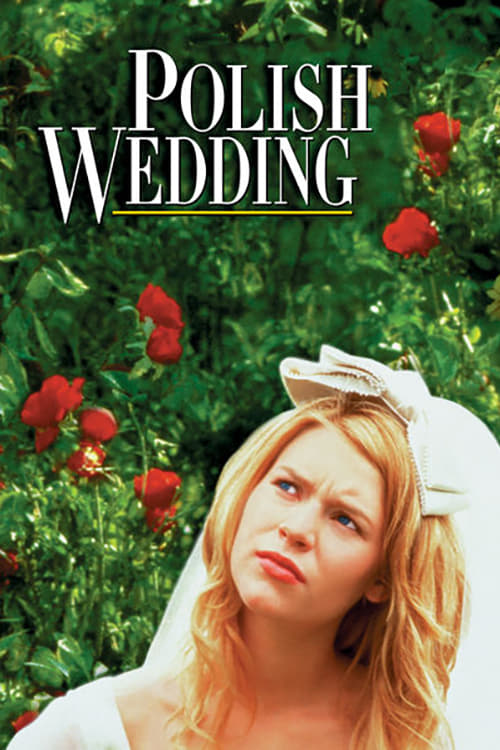
Polish Wedding is a psychological character study that focuses on deconstructing traditional domestic archetypes. It succeeds in challenging gendered expectations by presenting women as complex, often disruptive figures within a traditional setting. However, the film remains limited in terms of demographic diversity. The focus on a specific, homogeneous Polish community restricts racial and ethnic diversity, and the lack of LGBTQ+ or disabled characters results in a narrower scope for broad representation. Ultimately, the film's progressive value lies in its refusal to glorify the sanctity of the nuclear family, instead revealing it as a fractured system of competing impulses.
Category Breakdown
The film does not include any LGBTQ+ characters or non-straight relationships. The interpersonal dynamics revolve around traditional romantic pairings, though they involve themes of infidelity.
Jadzia challenges the submissive matriarch stereotype by exerting significant influence through her secret affairs. Women are portrayed as complex figures causing chaos rather than moral pillars.
The cast is very homogeneous, representing a specific rural Polish community. While culturally accurate, the story lacks diversity in terms of ethnicity or race.
The film critiques communal institutions by depicting the family and wedding as oppressive sites of trauma. It emphasizes personal emotional experiences over religious or moral standards.
There are no prominent depictions of physical or cognitive disabilities. Psychological distress is shown as a reaction to trauma rather than an exploration of disability.
Present on Screen
Limited or Absent
Official Synopsis
The film centers on a big Polish family. Jadzia is the mother and the ruler of the Pzoniak family (she has five children). Though she's happily married to Bolek, she is also having a long-time affair with Roman. Her young daughter Hala is having an affair with neighbour cop Russell and becomes pregnant by him. Russell is pressed hard to marry Hala.
2021

1997
2018
2011
1989
2001

1993
2004
No reviews yet. Be the first to share your thoughts on this movie!
Use the rating form above to leave a star rating and optional review.