
Shaolin Temple
1982
No user ratings available yet
Representation score: 1.4 out of 10
Representation Score
Limited
1976
PGRuntime
90 minutes
Average Rating
No ratings yetNew Showbiz Analysis
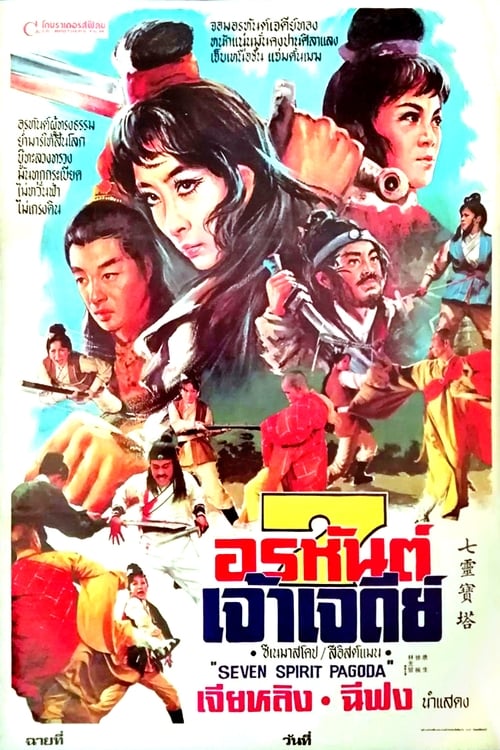
Seven Spirit Pagoda functions as a historical tragedy centered on a Tang Dynasty coup d'état. The plot follows a general's betrayal of the emperor, leading to dynastic collapse and personal tragedy. The film avoids romanticizing imperial institutions, instead focusing on the violent deconstruction of the ruling class. While it lacks diverse demographic representation, it offers a nuanced look at the human cost of political ambition. Ultimately, the film's impact relies on its exploration of systemic instability and individual control within a traditional patriarchal framework.
Category Breakdown
The film does not include any characters with non-straight or non-cisgender identities. The story focuses on traditional political conflicts involving an emperor, a general, and a princess.
The emperor's daughter plays a key role by taking control of her fate through her tragic suicide to avoid capture. However, the main drivers of the coup remain male-dominated.
Set during the Tang Dynasty, the film provides an East Asian historical context. Specific details about the diversity of ethnic casting are not available.
The story explores the fragility of imperial authority and systemic instability. It prioritizes the consequences of political volatility over the glorification of state stability.
There is no mention of characters with visible or invisible disabilities. The narrative does not feature neurodivergent representation.
Present on Screen
Limited or Absent
Official Synopsis
The Tang emperor is betrayed by one of his most trusted aides who is the general of all the armies. He attacks the palace to establish himself as the new emperor. The real emperor is killed and his daughter commits suicide rather than be taken prisoner.
1982
1984

1962
1970
1973
1971

1970

1964
No reviews yet. Be the first to share your thoughts on this movie!
Use the rating form above to leave a star rating and optional review.