
Street Days
2010
No user ratings available yet
Representation score: 6.8 out of 10

Representation Score
Limited
1987
Director
Roman Balayan
Runtime
83 minutes
Average Rating
No ratings yetNew Showbiz Analysis
The Spy is a psychological drama that emphasizes existential themes over diverse representation. It explores the fragmentation of identity through the protagonist's moral crisis, critiquing social structures without showcasing varied lived experiences. While the film provides a nuanced critique of institutional authority and social cohesion, it remains limited by a homogeneous cast and a lack of characters who reflect more than one aspect of diversity. The narrative is deeply rooted in a specific, narrow social context. Ultimately, the film's strength lies in its deep exploration of moral relativism and the instability of the self, despite the absence of meaningful representation for LGBTQ+ or diverse ethnic groups.
Category Breakdown
The film does not include any explicit LGBTQ+ characters or non-cisgender identities. The story focuses solely on the protagonist's internal struggles within a traditional family setting.
Female characters are shown as desperate and reactive, lacking the independence to drive the plot forward. While the film challenges the idea of a competent patriarch, the women do not have significant roles in shaping the story.
The cast is uniform, reflecting the specific cultural context of the Soviet era. The film does not include intentional racial diversity or casting actors from different backgrounds.
The film effectively highlights the tension between individuals and oppressive systems. It portrays a profound sense of alienation, emphasizing the struggle against institutional authority.
The film does not focus on physical or neurodivergent disabilities. Instead, it uses psychological fragility and detachment as a metaphor for the protagonist's existential struggle.
Present on Screen
Limited or Absent
Official Synopsis
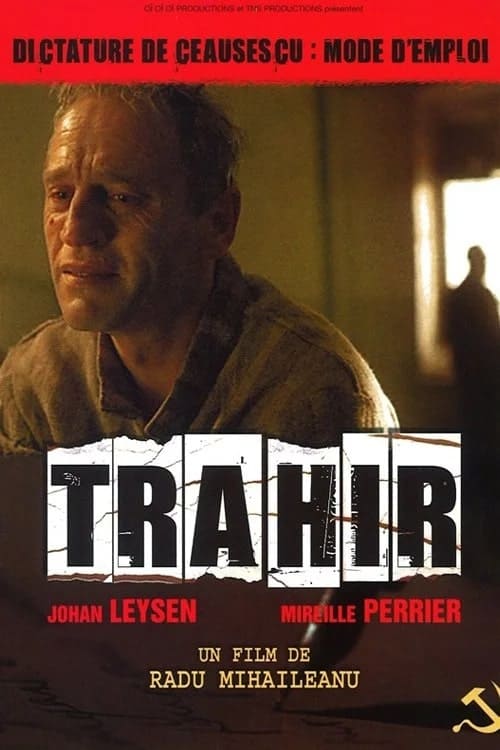
1916: on the verge of being evicted from his apartment, unable to find a job, with a desperate wife and a sick child, a man wrestles with his conscience about whether to turn police informer for money.
2010

1997

2002

1996

1986
1971

1955
1993
No reviews yet. Be the first to share your thoughts on this movie!
Use the rating form above to leave a star rating and optional review.