
Street Without End
1963
No user ratings available yet
Representation score: 5.2 out of 10
Representation Score
Fair
1952
Director
James R. Connell
Runtime
77 minutes
Average Rating
No ratings yetNew Showbiz Analysis
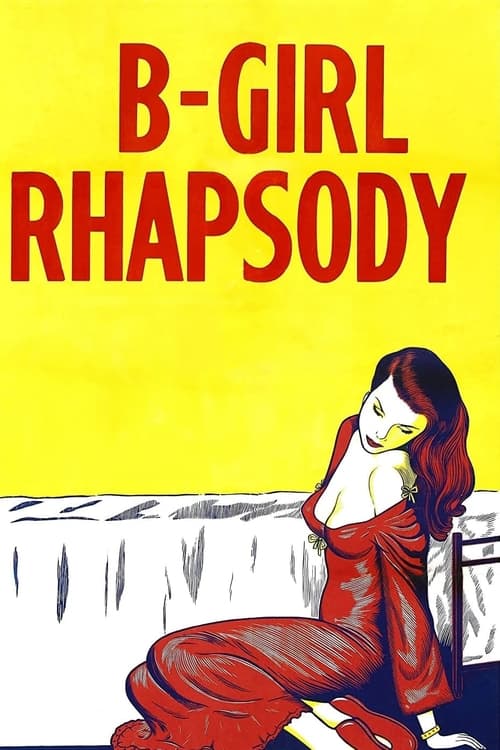
B-Girl Rhapsody serves as a documentary of mid-century nightlife, showcasing a subculture that challenges the conservative social structures of 1952. The film's strength lies in its portrayal of female professional autonomy and a performance style that plays with gendered themes. However, the film's impact is limited by a lack of specific narrative detail. Without explicit confirmation of racial identities or overt LGBTQ+ narratives, the progressive values remain mostly implied rather than clearly stated. Ultimately, the film provides a window into a niche social world, offering a critique of mainstream conformity through the lens of burlesque performance.
Category Breakdown
The film hints at LGBTQ+ identities through the playful names of performers like Frenchy La Von, but it does not explicitly confirm these identities or show romantic relationships.
The movie highlights female empowerment and independence through the burlesque stage, challenging the gender norms of 1952.
No specific racial identities for the cast members are recorded. While burlesque troupes were often diverse, there is no concrete proof of multi-layered dynamics among the performers.
The film documents a subculture that exists outside mainstream values, focusing on nightlife and spectacle that contrasts with the strict religious institutions of the time.
There is no indication within the film's documentation that it includes or depicts characters with visible or invisible disabilities.
Present on Screen
Limited or Absent
Official Synopsis
Filmed record of a burlesque performance.
1963
1950
1953
1955
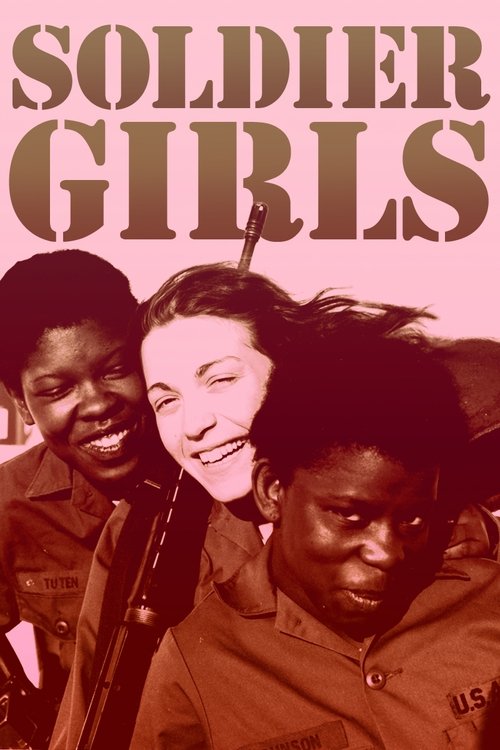
1981
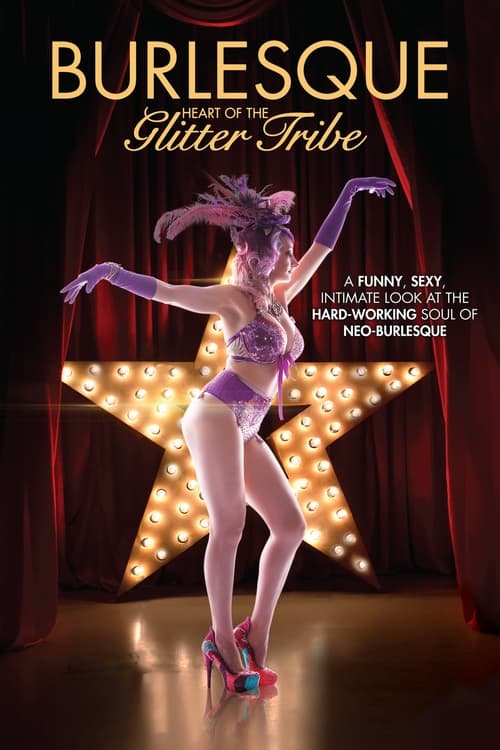
2017
1926
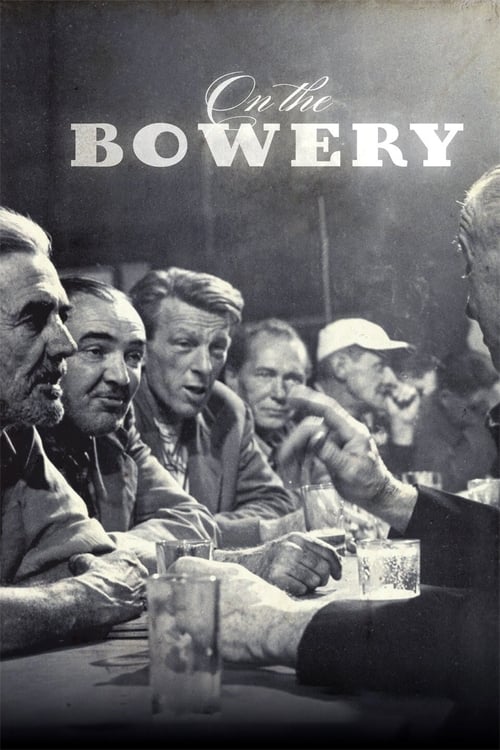
1957
No reviews yet. Be the first to share your thoughts on this movie!
Use the rating form above to leave a star rating and optional review.