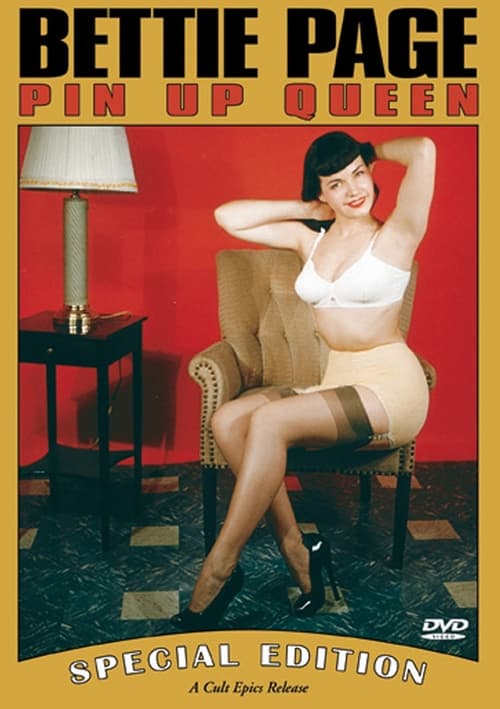
Bettie Page: Pin Up Queen
1998
No user ratings available yet
Representation score: 4.1 out of 10
Representation Score
Limited
1955
RDirector
Irving Klaw
Runtime
69 minutes
Average Rating
No ratings yetNew Showbiz Analysis
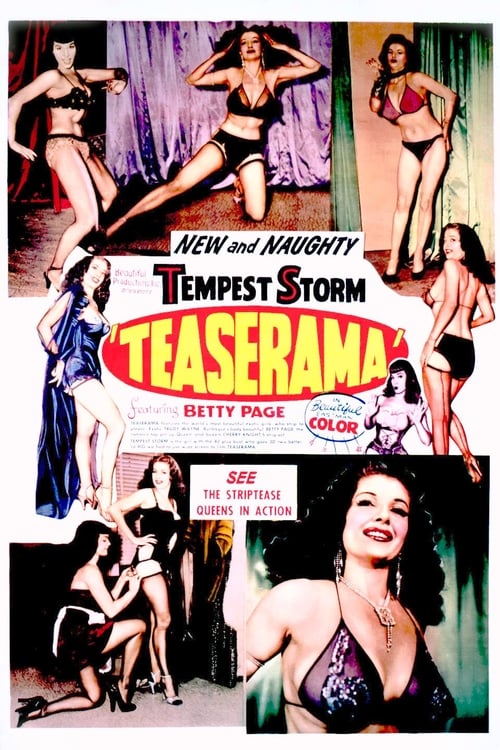
Teaserama serves as a historical artifact of the 1950s exploitation circuit, focusing on the transgressive nature of burlesque. While it challenges the era's sanitized domesticity, it remains a product of its time, lacking modern multi-layered depth. The film's strength lies in its centering of female performers as the primary drivers of the spectacle. However, these roles are often framed through a voyeuristic lens and are limited by the era's racial and social hierarchies. Ultimately, the work functions more as a commercial subcultural study than a progressive narrative. It lacks intentional representation of disability, diverse racial backgrounds, or explicit LGBTQ+ identities.
Category Breakdown
The film centers on burlesque and striptease within a framework that assumes everyone is straight or cisgender. While the subcultural content offers a minor departure from 1950s social norms, there are no explicit LGBTQ+ characters or narratives.
Female performers hold visual power over the audience, with Betty Page standing out for her individual ability to act despite being tied to era-specific feminine clichés.
The casting likely reflects the racial hierarchies of 1950s American adult entertainment. There is no evidence of significant racial integration or subversion of the era's demographic norms.
The work challenges mid-century decorum by prioritizing bodily spectacle over traditional religious or family values. However, it operates within a commercial exploitation model rather than a political framework.
There is no evidence of performers or characters with visible or invisible disabilities included in this collection of acts.
Present on Screen
Limited or Absent
Official Synopsis
A collection of numerous burlesque acts from the 1950s, including strippers, and cult character Betty Page introducing the acts.
1998
1998
1982
2005
1952
1967
1966
1966
No reviews yet. Be the first to share your thoughts on this movie!
Use the rating form above to leave a star rating and optional review.