
The Abominable Snowman
1957
No user ratings available yet
Representation score: 0.7 out of 10
Representation Score
Minimal
1945
ApprovedDirector
Sam Newfield
Runtime
71 minutes
Average Rating
No ratings yetNew Showbiz Analysis
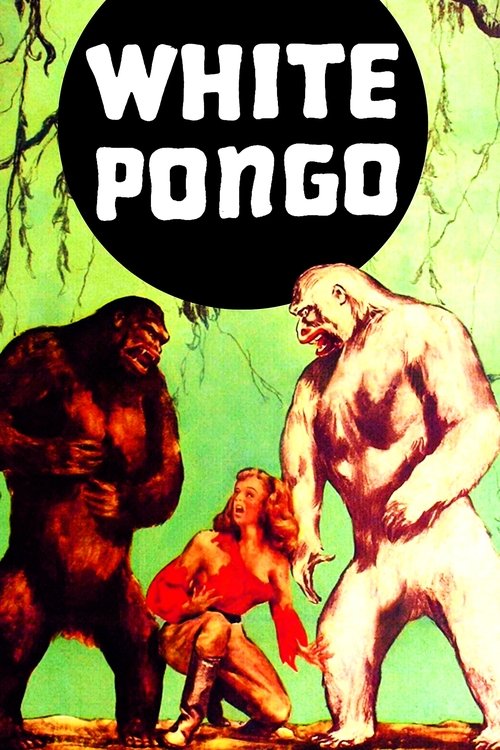
White Pongo is a product of its era, following the formulaic storytelling typical of 1940s B-movies. The narrative centers on a masculine-driven plot involving a policeman and a scientific expedition, reinforcing traditional gender roles and hierarchies. The film uses colonial-era clichés common to the safari genre. By focusing on Western law enforcement and scientific discovery as the main moral drivers, the story maintains a Western-centric perspective that lacks complexity in representing diverse identities.
Category Breakdown
The film does not include any characters with non-traditional gender identities or sexual orientations. It also does not challenge the idea that everyone is straight or cisgender.
The story revolves around male characters, particularly the undercover policeman and the safari guide. These roles are traditionally associated with men.
The safari setting suggests a framework that likely reinforces historical colonial hierarchies. The film focuses on Western protagonists within a colonial context.
The story emphasizes Western scientific inquiry and law enforcement. It does not show much understanding of anti-colonial or anti-capitalist viewpoints.
The film does not feature any characters with visible or invisible disabilities. There is no indication of neurodivergence or physical impairments among the characters.
Present on Screen
Limited or Absent
Official Synopsis
Suspecting that a safari guide is a wanted killer, undercover policeman Geoffrey Bishop (Richard Fraser) joins a safari led by the suspect for a scientist that hopes to find and prove that a fabled white gorilla is a missing link.
1957
1932
1945

1949

1956
1939
1946
1933
No reviews yet. Be the first to share your thoughts on this movie!
Use the rating form above to leave a star rating and optional review.