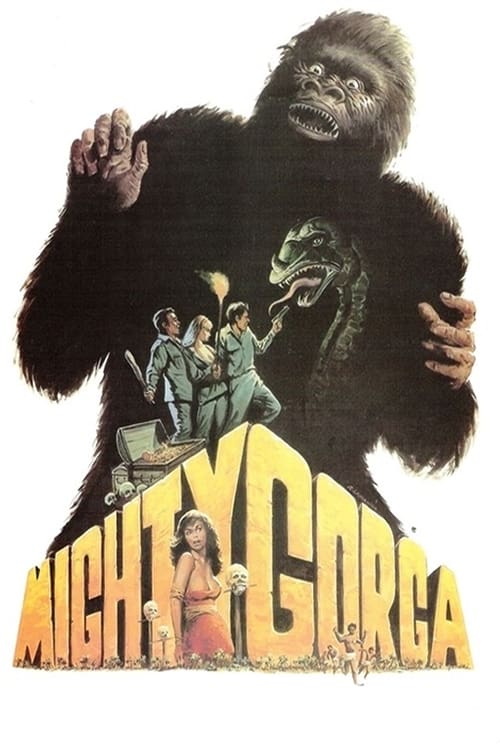
The Mighty Gorga
1969
No user ratings available yet
Representation score: 1.4 out of 10

Representation Score
Minimal
1976
PGDirector
Paul Leder
Runtime
87 minutes
Average Rating
No ratings yetNew Showbiz Analysis
A*P*E (1976) is a product of the 1970s exploitation market, focusing on creature-feature spectacle rather than social depth. The narrative relies on established genre clichés that reinforce traditional hierarchies rather than challenging them. The film's setting in Seoul is used more as an exotic backdrop than a means of providing meaningful ethnic representation. The narrative remains centered on a Western protagonist and a standard horror structure. Ultimately, the film lacks the intentionality needed for characters who reflect more than one aspect of diversity, functioning primarily as a low-budget adventure-horror piece.
Category Breakdown
The film does not include any LGBTQ+ characters or narratives. It sticks to a traditional creature-feature format that doesn't address non-straight or non-cisgender identities.
The story relies on the 'damsel in distress' cliché, where the female character's role is limited to being a victim of the creature. Her influence on the plot is minimal.
The Seoul setting is used more as an exotic backdrop rather than a place for nuanced representation. The narrative focuses mainly on the American protagonist.
The film prioritizes spectacle and chaos over cultural depth. It adheres to conventional genre expectations without delving into complex moral or secular themes.
There are no characters with visible or invisible disabilities. Physical impairments and neurodivergence are not part of the character arcs.
Present on Screen
Limited or Absent
Official Synopsis
A newly discovered 36-foot gorilla escapes from a freighter off the coast of Korea. At the same time an American actress is filming a movie in the country. Chaos ensues as the ape kidnaps her and rampages through Seoul.
1969

1949

1956

1957

1962
1956

1954
1976
No reviews yet. Be the first to share your thoughts on this movie!
Use the rating form above to leave a star rating and optional review.