
Emanuelle and the Last Cannibals
1977
No user ratings available yet
Representation score: 3.9 out of 10
Representation Score
Limited
2002
RDirector
Daniel Springen
Runtime
90 minutes
Average Rating
No ratings yetNew Showbiz Analysis
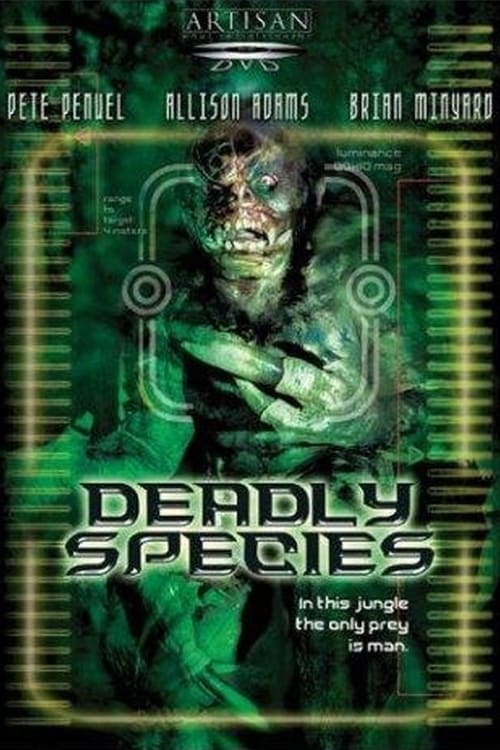
Deadly Species is a standard genre piece that prioritizes survivalist clichés over social deconstruction. The film relies heavily on established cinematic hierarchies and traditional adventure archetypes common to its era. While the inclusion of the Calusa tribe provides a non-Western backdrop, the narrative framework leans on historical clichés. The character dynamics and central motivations reinforce conventional power structures rather than challenging them. Ultimately, the film offers minimal subversion of identity or systemic dynamics, functioning as a traditional horror-adventure experience.
Category Breakdown
The film does not include any characters with LGBTQ+ identities or non-cisgender identities. It follows the traditional social structures common in early 2000s horror films.
The story centers around a male-dominated expedition led by men. It adheres to traditional leadership models without challenging gender hierarchies.
The film uses the 'lost tribe' cliché through the Calusa people. This risks relying on archetypal representations of indigenous peoples rather than nuanced depictions.
The plot focuses on a Western pursuit of the Fountain of Youth. It lacks a critique of capitalism or Western institutions, focusing instead on survival.
Brinson Thomas undergoes a physical transformation due to injury. This transformation serves as a horror plot device rather than a nuanced exploration of disability.
Present on Screen
Limited or Absent
Official Synopsis
Wealthy big game hunter, Wilson Frields, funds an expedition going deep into the Florida Everglades to search for the Calusa: a lost tribe of Native Americans. When the team discover the gruesome remains of another expedition, Friels admits he is searching for the Calusa's Fountain of Youth and its guardian, a mythical and deadly beast. As they delve deeper into the Everglades, the bloodthirsty beast begins to stalk and kill members of the group and, in one struggle, their leader Brinson Thomas is injured and begins to metamorphose into a creature himself. His only hope: to drink from the waters of the Fountain. The terrible truth behind the Calusa must be discovered if any of them are going to get out of there alive!
1977

1957
1983
2004
1987
2005
2018
1980
No reviews yet. Be the first to share your thoughts on this movie!
Use the rating form above to leave a star rating and optional review.