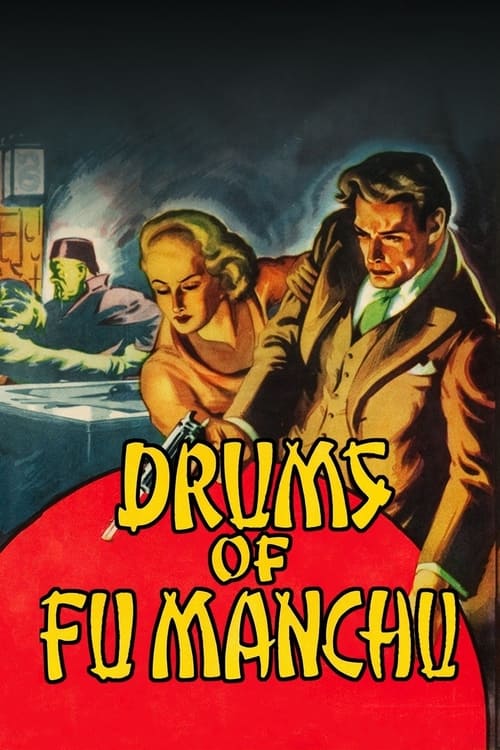
Drums of Fu Manchu
1940
No user ratings available yet
Representation score: 0.3 out of 10

Representation Score
Minimal
1932
GDirector
Charles Brabin
Runtime
68 minutes
Average Rating
No ratings yetNew Showbiz Analysis
This film is a classic example of the 'Orientalist' perspective, which uses racial stereotypes to portray Asia as a threat to Western society. It employs the 'Yellow Peril' cliché to cast Asian identity as a danger to Anglo-Saxon civilization. The film reinforces early 20th-century social hierarchies. Using a white actor to play the main East Asian character highlights the era’s practice of whitewashing and distancing the role from authentic cultural identity. Overall, the narrative supports Western dominance by presenting Western intelligence agencies as the necessary protectors against the perceived chaos of non-Western secret societies.
Category Breakdown
There are no LGBTQ+ characters or stories that challenge traditional heterosexual norms. The film strictly follows the straight-centered standards of the 1930s.
Women in the film have little influence and mainly serve as love interests or victims needing rescue. The story upholds traditional views of male leadership and gender roles.
The movie uses racial stereotypes and the 'Yellow Peril' idea to depict Asians negatively. A white actor plays the main East Asian character, showing a lack of authentic representation.
The story presents Western institutions as protectors of order, while non-Western cultures are portrayed as chaotic and dangerous.
There are no significant portrayals of physical or neurological disabilities in the main storyline.
Present on Screen
Limited or Absent
Official Synopsis
The villainous Dr. Fu Manchu races against a team of Englishmen to find the tomb of Ghengis Khan, because he wants to use the relics to cause an uprising in the East to wipe out the white race.
1940

1932

1940

1956
1966
1976

1943

1966
No reviews yet. Be the first to share your thoughts on this movie!
Use the rating form above to leave a star rating and optional review.