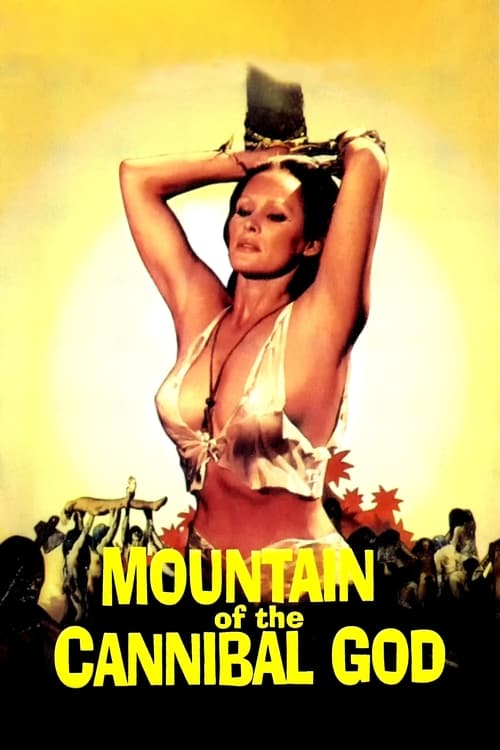
Slave of the Cannibal God
1978
No user ratings available yet
Representation score: 2.1 out of 10

Representation Score
Limited
1977
RDirector
Joe D'Amato
Runtime
93 minutes
Average Rating
No ratings yetNew Showbiz Analysis
Joe D'Amato's film is a classic example of Italian exploitation cinema that emphasizes visceral experience over social commentary. Its most notable strength lies in subverting traditional gender power dynamics, giving the female lead significant autonomy. However, this is offset by the film's heavy reliance on colonial-era stereotypes and its exploitative portrayal of Indigenous peoples. Ultimately, the film navigates a transgressive space that questions survival ethics without fully dismantling the underlying hierarchical and colonial structures.
Category Breakdown
The film operates within a traditional straight-centered framework. It lacks LGBTQ+ characters or non-assuming gender matches what was assigned at birth identities, focusing instead on the protagonist's eroticism.
The film focuses on a female protagonist who actively drives the story rather than being a passive character. However, her autonomy is often tied to the eroticized perspective of the genre.
The movie includes Indigenous characters but portrays them through a voyeuristic lens, relying on 'primitive' stereotypes that lack nuance and depth.
The story contrasts Western expeditionary structures with indigenous tribal life, creating a morally relative landscape driven by genre conventions rather than deep social critique.
The film does not prominently feature characters with disabilities or explore disability as a central theme.
Present on Screen
Limited or Absent
Official Synopsis
Intrepid photographer Emanuelle is taken deep into the Amazonian jungle to search for a cannibalistic tribe long believed to be extinct.
1978

1980
1980
2014
1977

1972

2004

2004
No reviews yet. Be the first to share your thoughts on this movie!
Use the rating form above to leave a star rating and optional review.