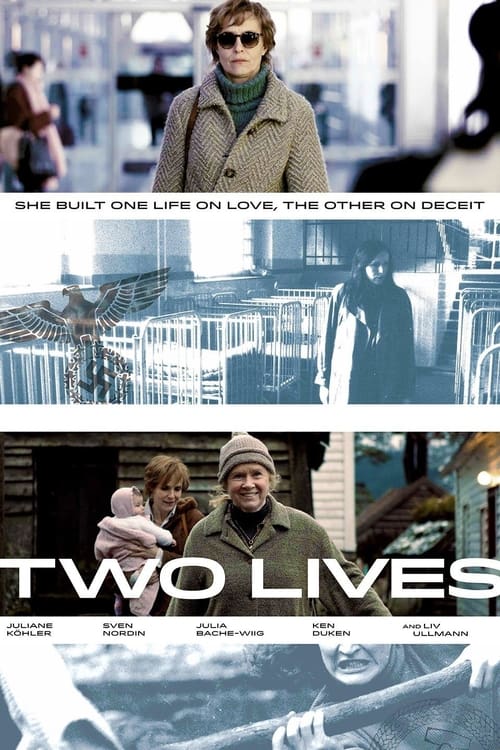
Two Lives
2012
No user ratings available yet
Diversity score: 4.3 out of 10

1992
Director
Agnieszka Holland
Runtime
104 minutes
Average Rating
No ratings yetSynopsis
Olivier, the nine-year-old son of Elisabeth and Serge, a country veterinarian, vanishes one afternoon on the way to his grandmother's house. The emotional aftermath of his disappearance sends his father packing and nearly destroys his mother.
Overall Score
Good
Category Breakdown
LGBTQ+ Representation
The film focuses on a heterosexual relationship. There is no evidence of queer-coded subtext or non-cisnormative identities within the primary character arcs.
Gender Representation
Louise is granted significant agency rather than being cast as a damsel in distress. The narrative prioritizes the psychological instability of the female experience under totalitarianism.
Racial & Ethnic Diversity
The film uses the Jewish experience as a central pillar of its tension. It explores ethnic marginalization through the high-stakes agency required to navigate a hostile state.
Religious & Cultural Diversity
The story critiques the corruption of the Vichy regime and French social structures. It frames survival tactics as a necessary rebellion against illegitimate, oppressive authority.
Disability Representation
There are no prominent depictions of physical or neurodivergent disabilities that drive the narrative.
Strengths
Areas for Improvement
AI Analysis
Agnieszka Holland’s drama succeeds by shifting focus away from traditional wartime heroism toward the psychological intimacy of survival. The film excels in its nuanced portrayal of ethnic marginalization and the systemic corruption of social institutions during the German occupation of France. While the film lacks LGBTQ+ representation and disability-focused narratives, it provides a sophisticated critique of Western institutional morality. The character of Louise serves as a vital anchor for exploring both gender agency and the precariousness of minority existence in a homogeneous state. Ultimately, the film is a study of human vulnerability. It replaces conventional romantic or patriotic tropes with a complex look at situational ethics and the necessity of rebellion.
2012

2014
2020
2005

2019
2015

2017

2015
1967

1999
2015
2019
No reviews yet. Be the first to share your thoughts on this movie!
Use the rating form above to leave a star rating and optional review.