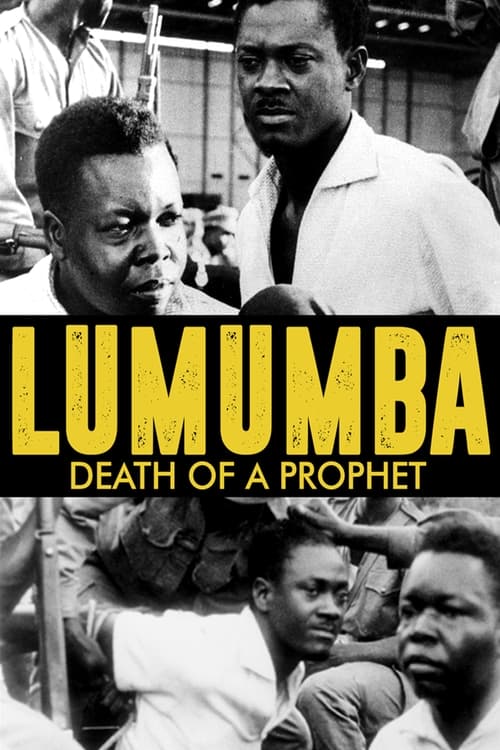
Lumumba: Death of a Prophet
1991
No user ratings available yet
Representation score: 4.2 out of 10
Representation Score
Limited
1999
Director
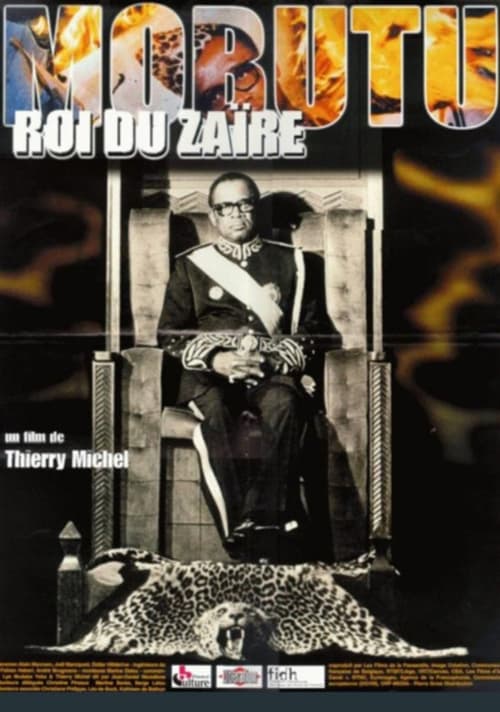
Thierry Michel
Runtime
135 minutes
Average Rating
No ratings yetNew Showbiz Analysis
Thierry Michel’s documentary is a significant work of historical deconstruction. It uses extensive archival footage and regional interviews to offer a complex view of Zairean political life, moving beyond monolithic portrayals of African history. While the film excels in racial and cultural representation, it lacks LGBTQ+ and gender-diverse narratives due to its focus on high-level political autocracy. Ultimately, the film's strength lies in its ability to disrupt conventional Western historical narratives, using a post-colonial lens to examine global power dynamics and systemic corruption.
Category Breakdown
The documentary focuses on the political landscape of Zaire and does not include any LGBTQ+ characters or narratives about queer experiences.
The film documents a male-dominated political system where power is concentrated among men, resulting in limited roles for women.
The documentary centers African perspectives and uses Kinshasa archives to provide a nuanced, multi-layered portrayal of the Congolese people and their ethnic complexities.
This work offers a post-colonial critique, highlighting the tensions between the ruling elite and the underrepresented population, showing the systemic failures of power dynamics.
The documentary does not focus on individual disability stories but visually documents the physical impact of systemic poverty and the decay of the nation's infrastructure.
Present on Screen
Limited or Absent
Official Synopsis
This film is the result of more than two years of work tracking down archive material and witnesses close to Mobutu in Africa, Europe and the U.S. More than 950 hours of footage have been seen by the world. Among the 104 hours selected as the basis for this film, are 30 hours of archives recently discovered in Kinshasa and never before released. Completing these exceptional documents, are more than 50 hours of interviews with those close to the former president and the events surrounding his reign, conducted by the director in Kinshasa, Brussels, Paris and Washington. Like a vast historical puzzle, this film pieces together the tragic history of a country, and its self-styled leader - the dictator, Mobutu Sese Seko, "King of Zaïre".
1991
2017
1974
2020

1990
2019
2012
2012
No reviews yet. Be the first to share your thoughts on this movie!
Use the rating form above to leave a star rating and optional review.