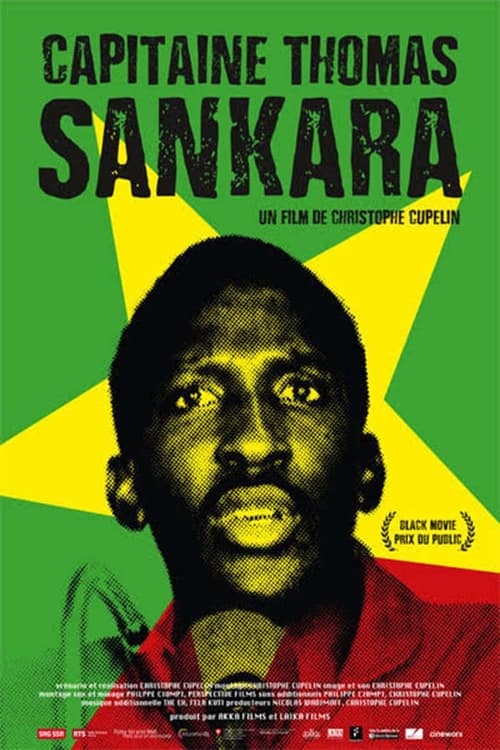
Capitaine Thomas Sankara
2012
No user ratings available yet
Representation score: 7.1 out of 10
Representation Score
Fair
2006
Not RatedDirector
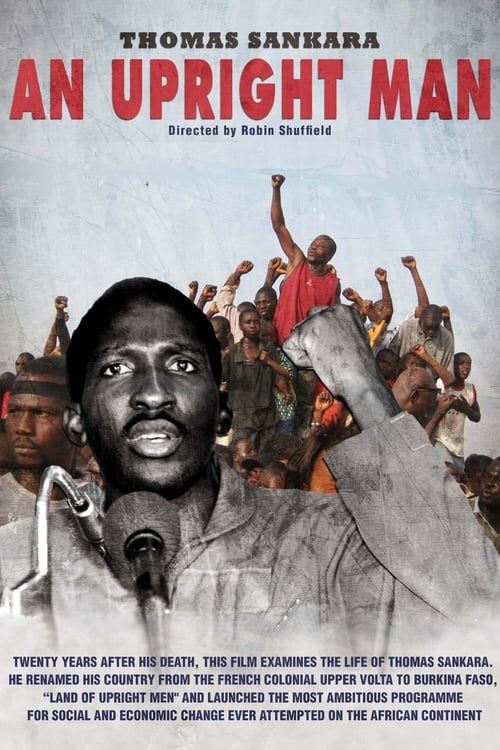
Robin Shuffield
Runtime
52 minutes
Average Rating
No ratings yetNew Showbiz Analysis
This documentary serves as a powerful tool for post-colonial storytelling, successfully shifting the lens away from Western-centric historical narratives. By centering African sovereignty and ability to act, it challenges the traditional geopolitical hierarchies often found in mainstream cinema. The film's greatest impact lies in its deconstruction of Western hegemony and its emphasis on racial identity. It presents a sophisticated view of the Global South, framing the struggle for independence against neo-colonialism and global capitalist structures. However, the film's narrow political focus results in a lack of representation for LGBTQ+ and disability narratives. While it makes strides in gendered progress, these omissions limit its multi-layered breadth.
Category Breakdown
The documentary focuses on the political and socio-economic landscape of Burkina Faso. There are no LGBTQ+ characters or discussions of non-assuming gender matches what was assigned at birth identities.
The film highlights Sankara’s policy initiatives aimed at advancing women's rights. It documents efforts to integrate women into the workforce and challenge restrictive traditional practices.
The film excels in centering African identity and the Pan-African experience. It prioritizes the ability to act of African leaders and citizens over Western intervention.
The narrative provides a robust critique of Western institutions like the IMF and World Bank. It promotes a philosophy of self-sufficiency and anti-imperialism.
The film's scope is primarily political and macroeconomic. There is no specific focus on visible or invisible disabilities.
Present on Screen
Limited or Absent
Official Synopsis
Thomas Sankara, former president of Burkina Faso, was known as "the African Che", and became famous in Africa due to his innovative ideas, his devastating humor, his spirit and his altruism. More than a classic biography, this film sheds light on the impact that this man and his politic made on Burkina Faso and Africa in general.
2012
1984
1991
2017
1999
2019

2019
2015
No reviews yet. Be the first to share your thoughts on this movie!
Use the rating form above to leave a star rating and optional review.