Alger : place du gouvernement
1896
No user ratings available yet
Representation score: 1.5 out of 10
Representation Score
Limited
1896
Director
Alexandre Promio
Runtime
1 minutes
Average Rating
No ratings yetNew Showbiz Analysis
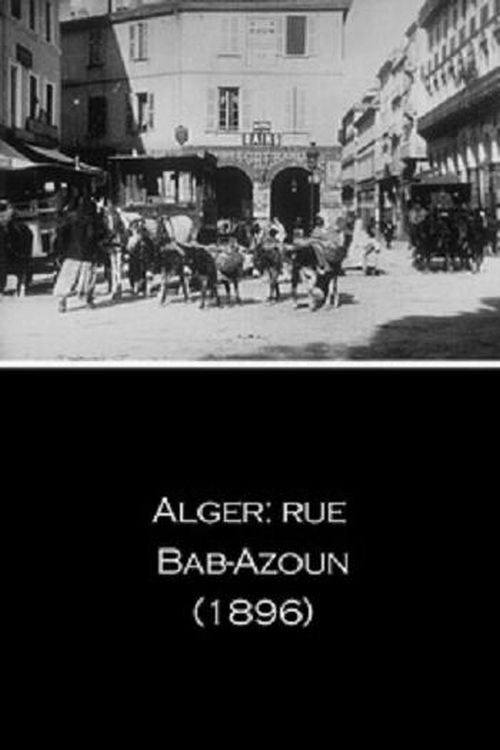
This documentary serves as a valuable historical record of North African life during the colonial era. By focusing on a non-Western urban space, it offers a level of ethnic diversity that was uncommon in 19th-century cinema. However, the film lacks intentional progressive representation. It functions primarily as a passive observation of a colonized environment, adhering to the traditional social hierarchies of the time. Ultimately, the work’s value lies in its ethnographic documentation rather than its narrative depth or the ability to act of its subjects.
Category Breakdown
There are no LGBTQ+ characters or narratives in the film. Given its nature as a candid street scene, it lacks the narrative structure needed to depict specific identity-based orientations.
The film reflects the gender roles of the late 19th-century Mediterranean. Women are not shown in positions of power or challenging traditional hierarchies.
The film showcases significant representation of non-Anglo-Saxon populations. It depicts a non-white majority during a period when Western cinema focused mainly on European subjects.
The film operates as a colonial-era travelogue through a European ethnographic lens. It observes a colonized space without questioning the underlying Western institutions.
Due to its brief, observational nature, the footage does not provide any clear depiction of individuals with physical or neurodivergent disabilities.
Present on Screen
Limited or Absent
Official Synopsis
Another street scene from the Lumiere company
1896
1896
1897
1896
1897
1903
1896
1897
No reviews yet. Be the first to share your thoughts on this movie!
Use the rating form above to leave a star rating and optional review.