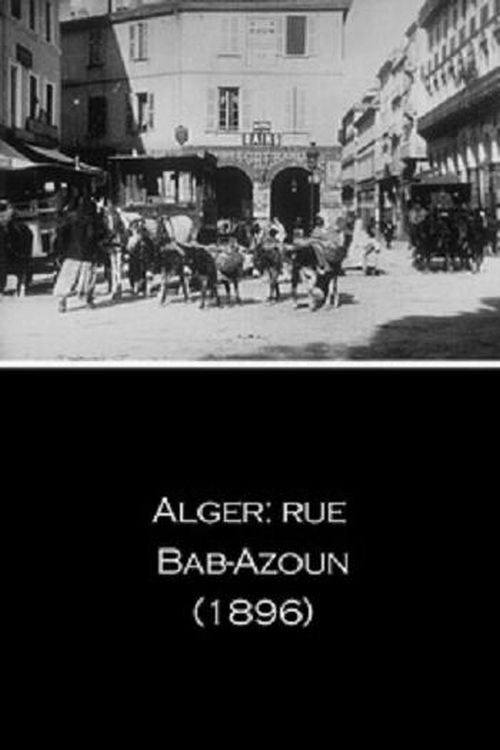
Alger: Rue Bab-Azoun
1896
No user ratings available yet
Representation score: 2.3 out of 10
Representation Score
Limited
1896
Director
Alexandre Promio
Runtime
1 minutes
Average Rating
No ratings yetNew Showbiz Analysis
As a foundational ethnographic artifact, this Lumière Brothers clip expands the early cinematic vocabulary beyond Western domesticity. Its primary value lies in documenting non-Western religious life and North African ethnic identity. However, the film lacks the complexity needed for a higher score. The footage is purely observational, offering no character's ability to drive the story or nuanced storytelling. Representation is limited by the era's social structures, especially concerning gender and identity. Ultimately, the work functions as a historical window into Islamic ritual, providing a necessary counter-perspective to the Eurocentric media landscape of the 1890s.
Category Breakdown
This film does not include any LGBTQ+ characters or explore non-cisgender identities. It focuses solely on a religious ritual without addressing sexual orientation or gender identity.
The film centers on a male figure performing a traditional religious role, presenting a singular, masculine presence in a position of authority. This reflects the social structures of the time.
The work significantly features North African subjects, centering a Muslim practitioner in Algiers. This provides a rare glimpse of a non-Anglo-Saxon culture in the late 19th century.
The film depicts Islamic religious practices, offering a window into a non-Western spiritual tradition. It serves as an observational record of a non-Christian ritual.
There is no indication of the representation of physical or neurodivergent disabilities in this ethnographic clip.
Present on Screen
Limited or Absent
Official Synopsis
A short clip from the Lumière Brothers.
1896
1903
1897
1897
1896
1897
1896
1896
No reviews yet. Be the first to share your thoughts on this movie!
Use the rating form above to leave a star rating and optional review.