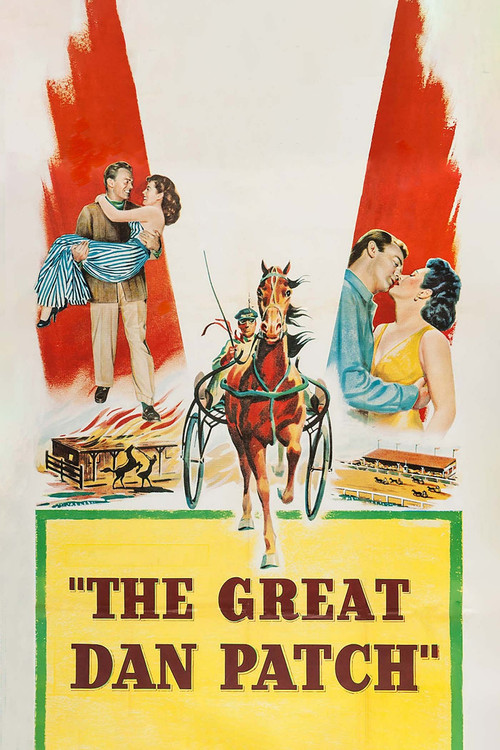
The Great Dan Patch
1949
No user ratings available yet
Diversity score: 1.8 out of 10
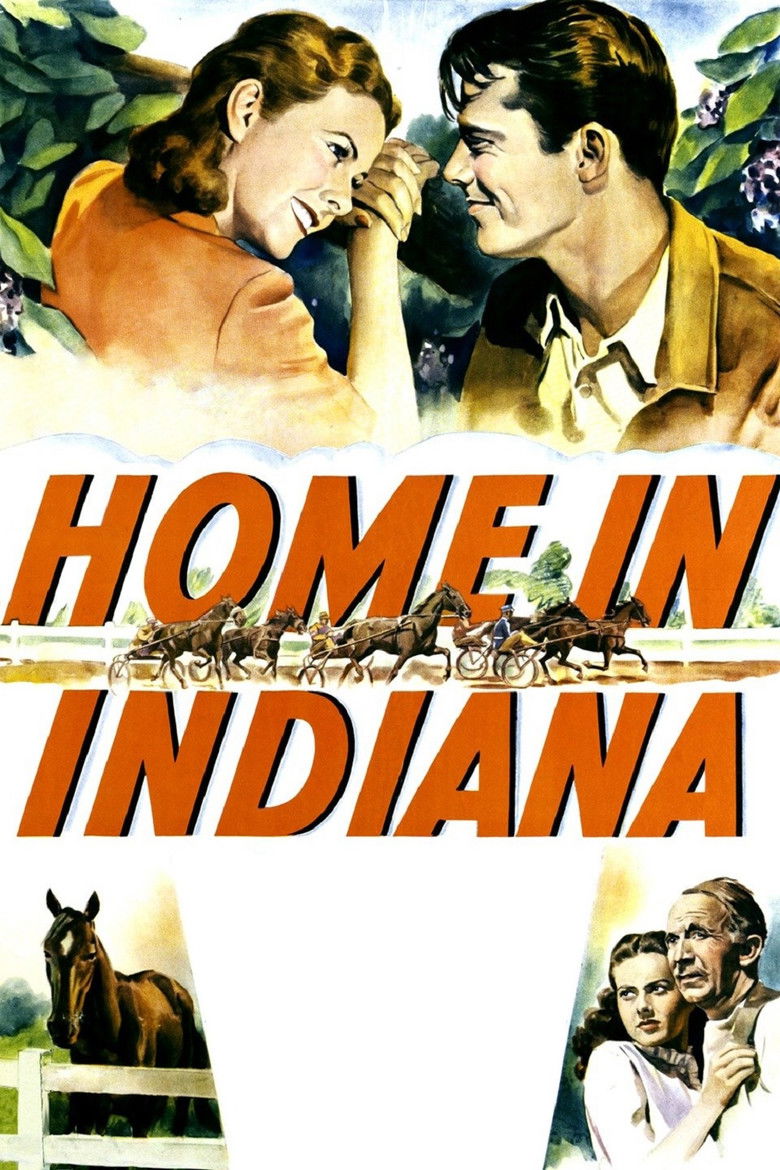
1944
NRDirector
Henry Hathaway
Runtime
104 minutes
Average Rating
No ratings yetSynopsis
'Sparke' Thorton, a lad with a penchant for trouble, is sent to live with his Uncle and Aunt Bolt in Indiana after his Aunt Henrietta Bolt dies. Though he's not happy about the arrangement at first, his love of horses and his affection for a young filly that he plans to race make life bearable. He also finds romance with tomboyish 'Char' Bruce who shares his love for horses.
Overall Score
Minimal
Category Breakdown
LGBTQ+ Representation
The film contains no visible presence of non-heteronormative identities. The romantic structure focuses entirely on traditional courtship without queer subtext.
Gender Representation
The character 'Char' Bruce offers a slight departure from hyper-feminine archetypes as a tomboyish figure. However, her agency remains tied to equestrian interests within traditional romantic expectations.
Racial & Ethnic Diversity
The cast is predominantly white, reflecting the demographic homogeneity of 1940s rural dramas. The narrative lacks engagement with any racial or ethnic diversity.
Religious & Cultural Diversity
The story celebrates traditional Western values, focusing on family sanctity and small-town stability. It reinforces mid-century social morality and community kinship.
Disability Representation
There are no identifiable depictions of physical, neurodivergent, or mental health disabilities. Characters are presented through a lens of standard physical ability.
Strengths
Areas for Improvement
AI Analysis
Home in Indiana is a quintessential mid-century rural drama that prioritizes social stability and conventional romantic arcs. It functions as a celebration of small-town idealism, reinforcing the established hierarchies and cultural norms of the 1940s. The film lacks intersectional complexity, offering almost no representation for LGBTQ+ individuals or people with disabilities. The racial landscape is strictly Anglo-centric, mirroring the era's standard for normative rural storytelling. While the 'tomboyish' characterization of Char Bruce provides a minor layer of gender nuance, the film ultimately operates within a conservative framework. It seeks to uphold rather than challenge the social structures of its time.
1949
1940
1949
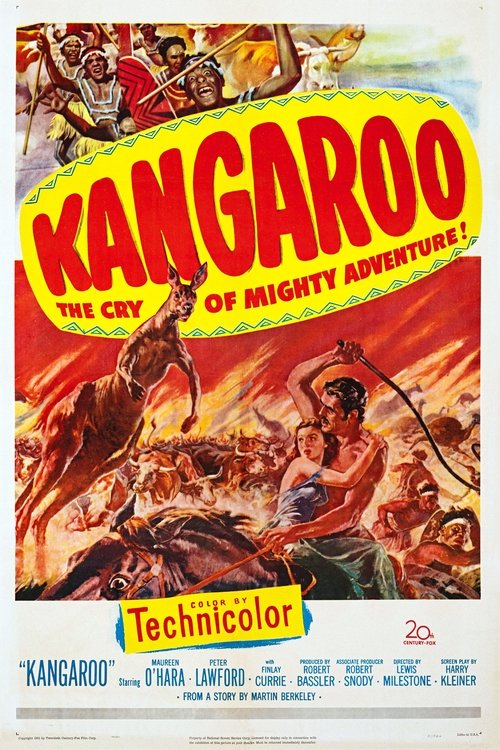
1952
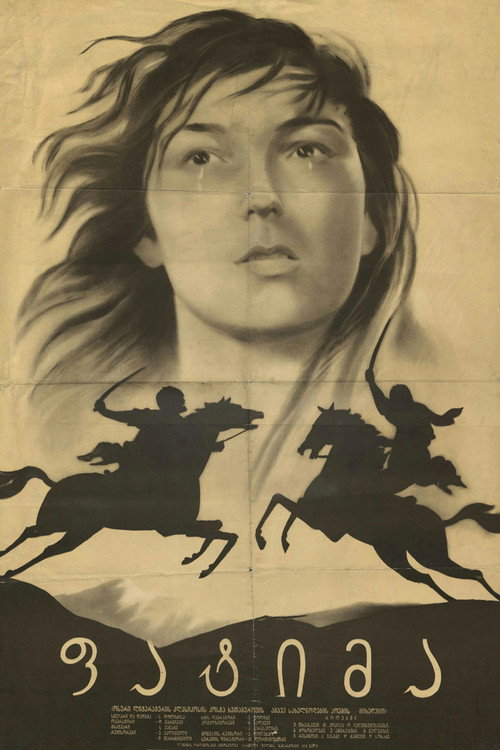
1958
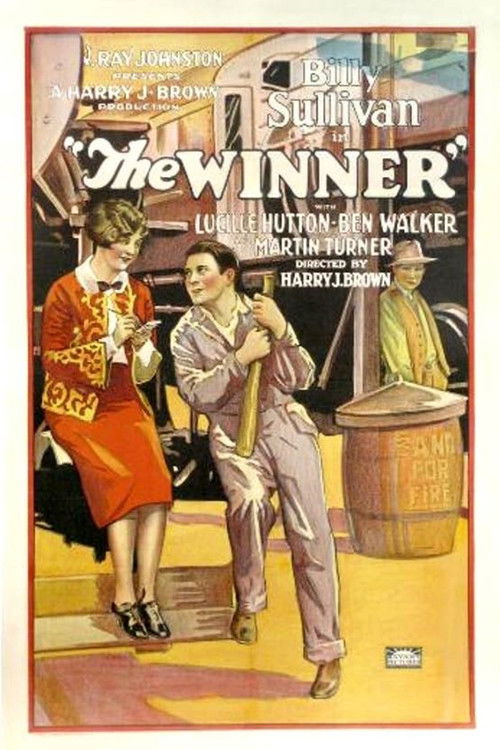
1926
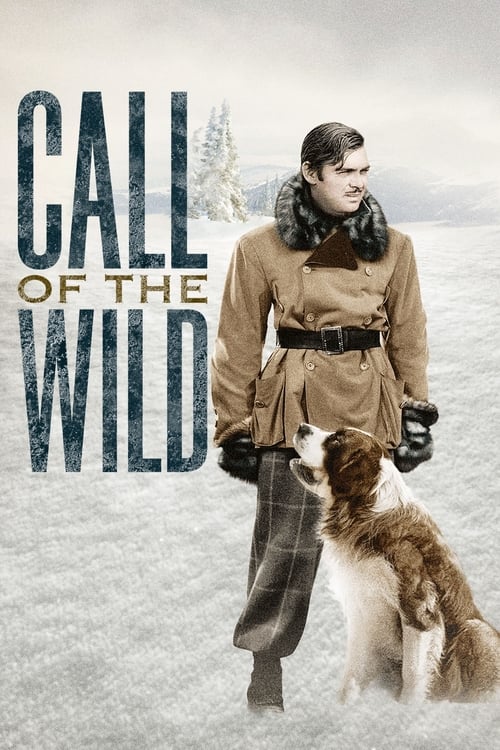
1935
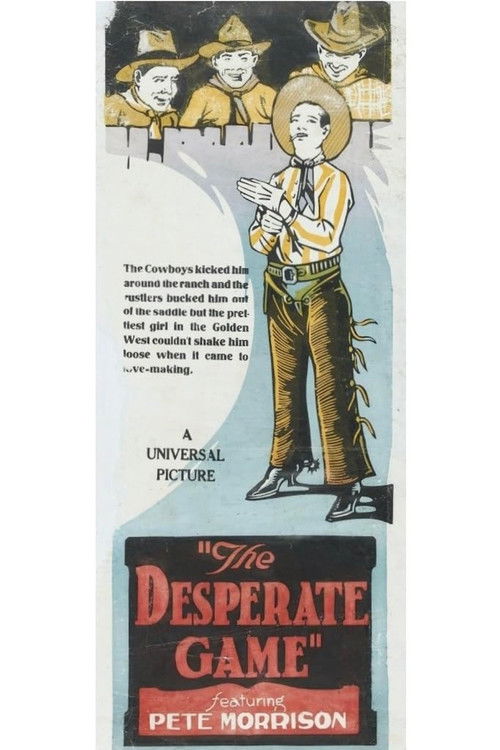
1926
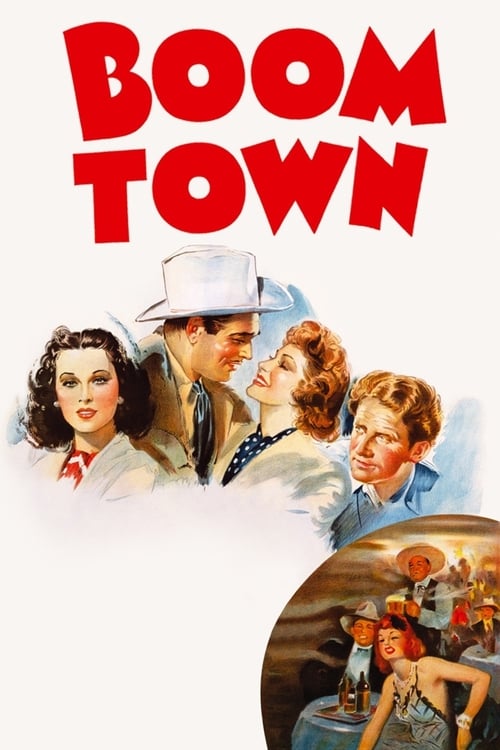
1940
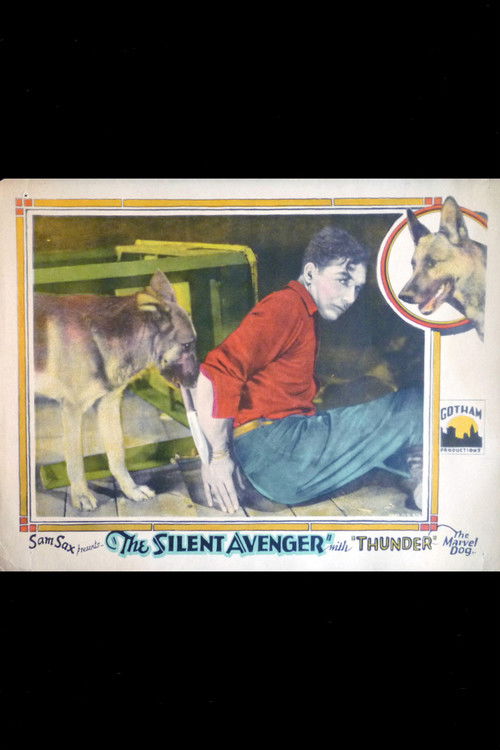
1927
No reviews yet. Be the first to share your thoughts on this movie!
Use the rating form above to leave a star rating and optional review.