Boom Town
1940
No user ratings available yet
Representation score: 1.2 out of 10
Representation Score
Limited
1940
NRDirector
Alfred E. Green
Runtime
81 minutes
Average Rating
No ratings yetNew Showbiz Analysis
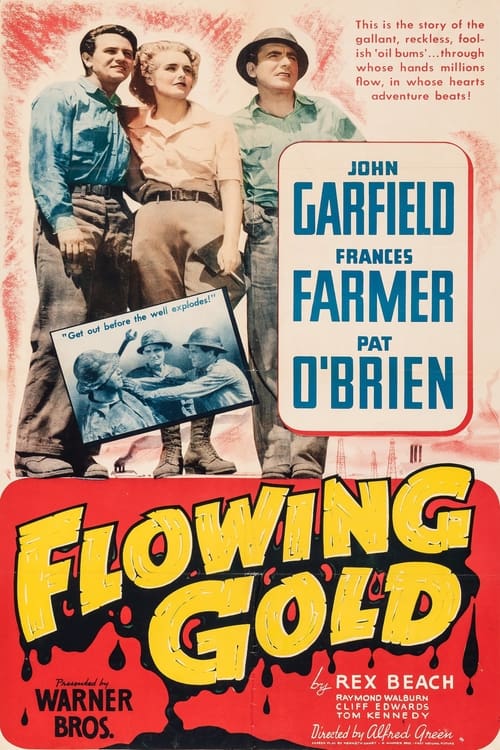
Flowing Gold is a product of the 1940s studio system, emphasizing conventional storytelling and demographic representation. The film centers on a fugitive's redemption within the American oilfields, reinforcing traditional social hierarchies. The production adheres to the era's standard constraints, lacking diverse representation and perspectives that reflect multiple aspects of identity. It functions as a genre-driven piece that highlights rugged individualism and established social norms. Ultimately, the film captures the early 20th-century cinematic standards, where diversity is limited and character roles are defined by traditional archetypes.
Category Breakdown
The film does not include any LGBTQ+ characters or stories. It follows the traditional romantic pairings common in 1940s adventure-dramas.
Women likely play supporting or idealized roles according to the genre conventions. The story structure seems to follow traditional gender roles.
The setting suggests a focus on a predominantly white working-class population. It reflects the homogeneous casting practices of the time.
Themes revolve around justice, destiny, and the struggles of industrial life. The story upholds traditional Western values related to law and personal achievement.
There are no characters with visible or invisible disabilities. Physical strength is portrayed through rugged masculinity rather than nuanced ability to act.
Present on Screen
Limited or Absent
Official Synopsis
In the American oilfields, a fugitive from justice's destiny is intertwined with the fortunes and the misfortunes of a small oil company that hires him as a roughneck.
1940

1939

1932
1930
1954
1948
1937
1952
No reviews yet. Be the first to share your thoughts on this movie!
Use the rating form above to leave a star rating and optional review.