
Kentucky Days
1923
No user ratings available yet
Representation score: 1.5 out of 10
Representation Score
Minimal
1940
NRDirector
Jack Conway
Runtime
119 minutes
Average Rating
No ratings yetNew Showbiz Analysis
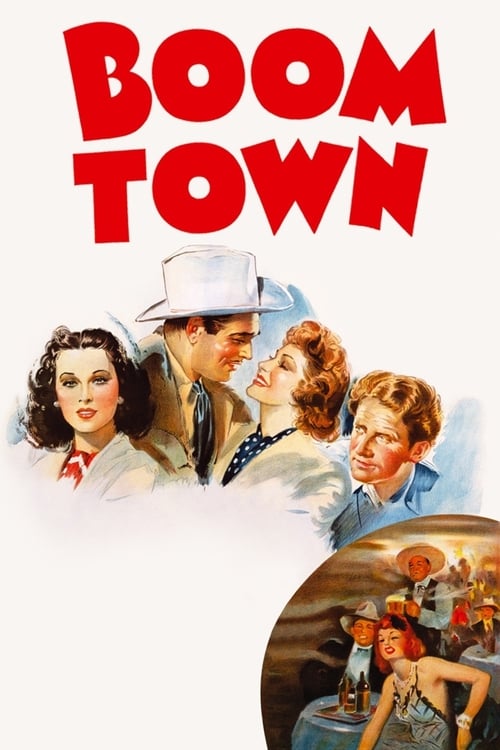
Boom Town is a quintessential product of the 1940s studio system, focusing on the competitive drive of its male protagonists. The narrative prioritizes the pursuit of resource-driven wealth and romantic rivalry within the American West. While the film offers some depth through its female lead, it remains a racially monolithic study of industrial history. The social landscape is defined by a lack of diversity in terms of race, disability, and sexual orientation. Ultimately, the film reinforces the traditional hierarchies of its era, centering on a capitalist meritocracy and conventional romantic pairings.
Category Breakdown
The film operates within a strictly straight-centered framework. There are no LGBTQ+ characters or narratives that challenge conventional gender identities.
Betsy provides a departure from passive femininity by playing a significant role in driving the story and showing ambition. However, the story ultimately resolves through traditional romantic structures.
The cast is characterized by a homogeneous white demographic. The film lacks meaningful representation of non-Anglo-Saxon characters or diverse identities.
The narrative functions as a celebration of capitalist expansion and individualist wealth. It reinforces meritocratic ideals rather than critiquing Western institutions.
There is no focus on visible or invisible disabilities. Characters are defined by their socioeconomic status and capacity for industrial labor.
Present on Screen
Limited or Absent
Official Synopsis
Two buddies who rise from fly-by-night wildcatters to oil tycoons over a twenty year period both love the same woman. McMasters and Sand come to oil towns to get rich. Betsy comes West intending to marry Sand but marries McMasters instead. Getting rich and losing it all teaches McMasters and Sand the value of personal ties.
1923

1954

1936

1930
1962

1960
1926

1961
No reviews yet. Be the first to share your thoughts on this movie!
Use the rating form above to leave a star rating and optional review.