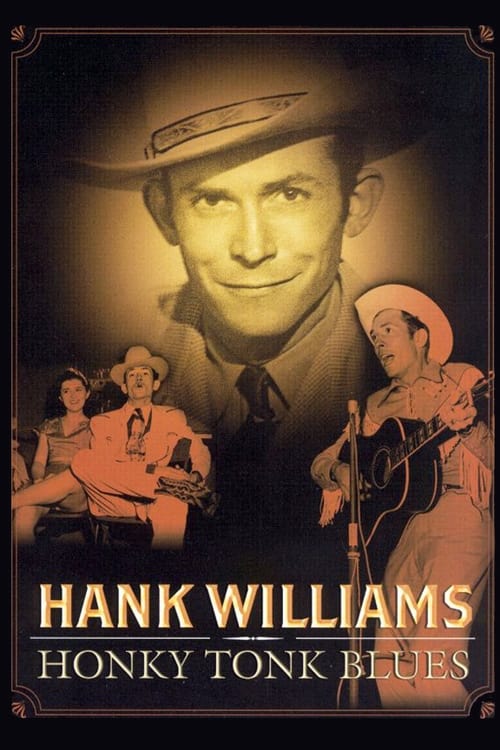
Hank Williams: Honky Tonk Blues
2004
No user ratings available yet
Representation score: 2.6 out of 10
Representation Score
Limited
1969
GPDirector
Robert Elfstrom
Runtime
94 minutes
Average Rating
No ratings yetNew Showbiz Analysis
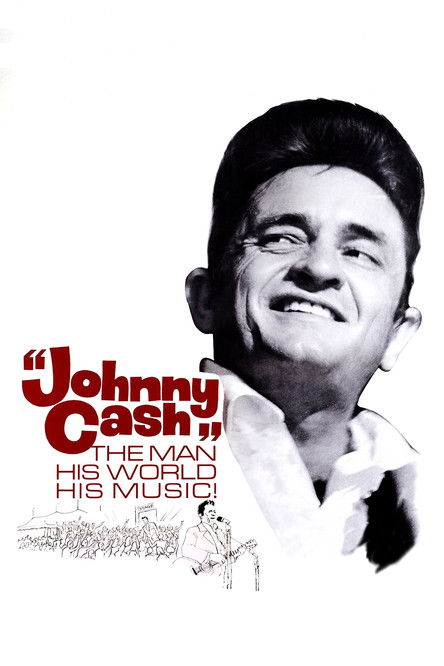
This 1969 documentary preserves a specific moment in musical history, adhering closely to the social and cultural norms of its time. It emphasizes the celebration of a traditional masculine figure and his professional sphere. The film lacks the intention to disrupt established hierarchies, functioning more as a historical snapshot of a particular cultural moment than a work aimed at social deconstruction. While it captures important musical history, the representation remains narrow, focusing on conventional gender roles and a demographic landscape typical of the late 1960s country music industry.
Category Breakdown
The film does not include any LGBTQ+ characters or narratives that challenge traditional identities. Instead, it focuses on the romantic relationship between Johnny and June Carter Cash.
The narrative centers around a male protagonist, reflecting the gender norms of the 1960s. Although June Carter Cash plays a significant role, the film upholds traditional gender roles and stereotypes.
The film reflects the predominantly white demographics of its time, emphasizing the Anglo-Saxon traditions of country and folk music. It does not make efforts to disrupt the racial status quo.
The documentary highlights the individualist 'American Icon' through a Western perspective. It focuses on the cultural significance of a singular artist without critiquing broader systemic or cultural institutions.
The documentary does not focus on neurodivergence, physical disabilities, or mental health issues. Challenges faced in the prison setting are presented as part of Johnny Cash's biography rather than as narratives of disability.
Present on Screen
Limited or Absent
Official Synopsis
In this classic 1969 documentary, the Man in Black is captured at his peak, the first of many in a looming roller-coaster career. Fresh on the heels of his Folsom Prison album, Cash reveals the dark intensity and raw talent that made him a country music star and cultural icon. Director Robert Elfstrom got closer than any other filmmaker to Cash, who is seen performing with his new bride June Carter Cash, in a rare duet with Bob Dylan, and behind the scenes with friends, family and aspiring young musicians.
2004
2018
2019
2019
2011
1978
1970
2005
No reviews yet. Be the first to share your thoughts on this movie!
Use the rating form above to leave a star rating and optional review.