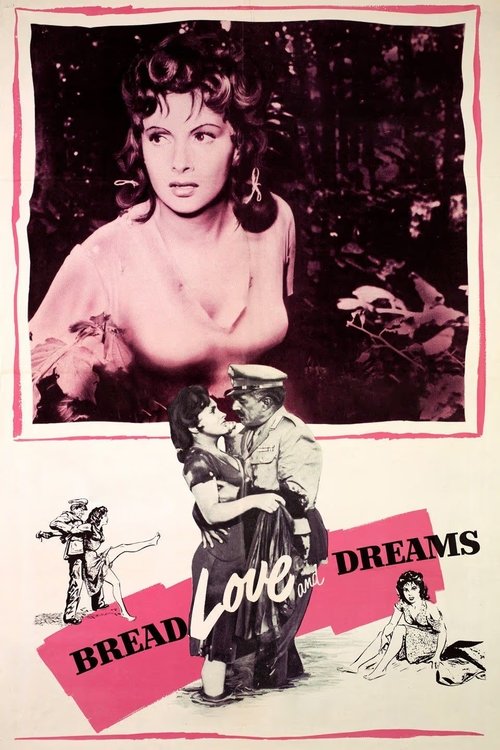
Bread, Love and Dreams
1953
No user ratings available yet
Diversity score: 2.9 out of 10
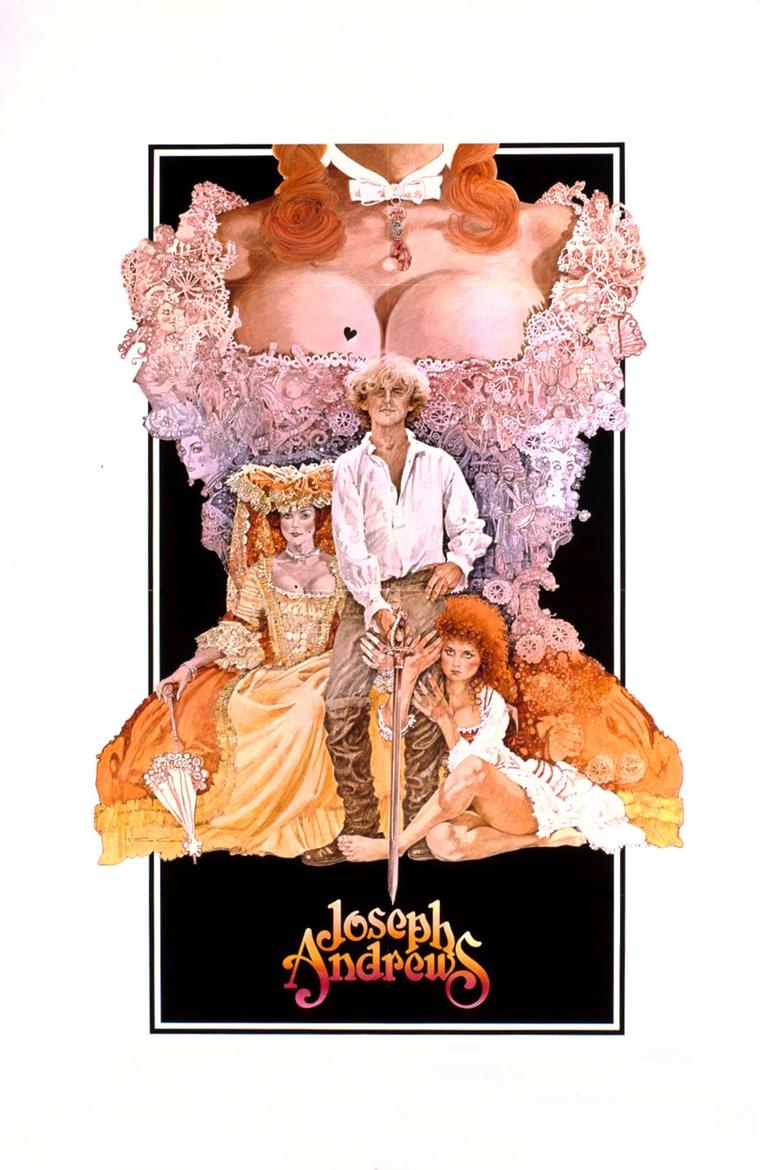
1977
RDirector
Tony Richardson
Runtime
99 minutes
Average Rating
No ratings yetSynopsis
Lady Booby alias 'Belle', the lively wife of the fat landed squire Sir Thomas Booby, has a lusty eye on the attractive, intelligent villager Joseph Andrews, a Latin pupil and protégé of parson Adams, and makes him their footman. Joseph's heart belongs to a country girl, foundling Fanny Goodwill, but his masters take him on a fashionable trip to Bath, where the spoiled society comes mainly to see and be seen, but drowns in the famous Roman baths. When the all but grieving lady finds Joseph's Christian virtue and true love resist her lusting passes just as well as the many ladies who fancy her footman, she fires the boy. He's found and nursed by an innkeeper's maid, which stirs lusts there, again besides his honorable conduct, but is found by the good parson.
Overall Score
Fair
Category Breakdown
LGBTQ+ Representation
The film adheres to the heteronormative structures of its 18th-century setting. Romantic tension is strictly defined between Joseph and Fanny, with no queer subtext present.
Gender Representation
Women display significant agency, particularly Lady Booby, who possesses sexual power and social influence. Fanny Goodwill also provides a focal point of moral resilience against patriarchal commodification.
Racial & Ethnic Diversity
The cast is largely homogeneous, reflecting the historical constraints of an 18th-century English period piece. The narrative focuses on British class stratification rather than racial diversity.
Religious & Cultural Diversity
The film uses satire to critique the hypocrisy of the landed gentry and social hierarchies. It decouples virtue from social rank, finding true character among the marginalized classes.
Disability Representation
There are no discernible depictions of physical, sensory, or neurodivergent disabilities within the primary character arcs.
Strengths
Areas for Improvement
AI Analysis
Tony Richardson’s direction utilizes a satirical lens to dismantle traditional social hierarchies. While the film lacks modern demographic breadth regarding race and LGBTQ+ identity, it remains culturally subversive by challenging the perceived superiority of the aristocracy. The narrative succeeds in deconstructing class and gender roles. It replaces the trope of the submissive female with characters who possess genuine agency and moral weight, even when navigating a world of patriarchal entitlement. Ultimately, the film's progressive value lies in its critique of power. It exposes the hollow nature of the upper class, favoring a situational morality found in the lower social strata.
1953

1946
1955
1993
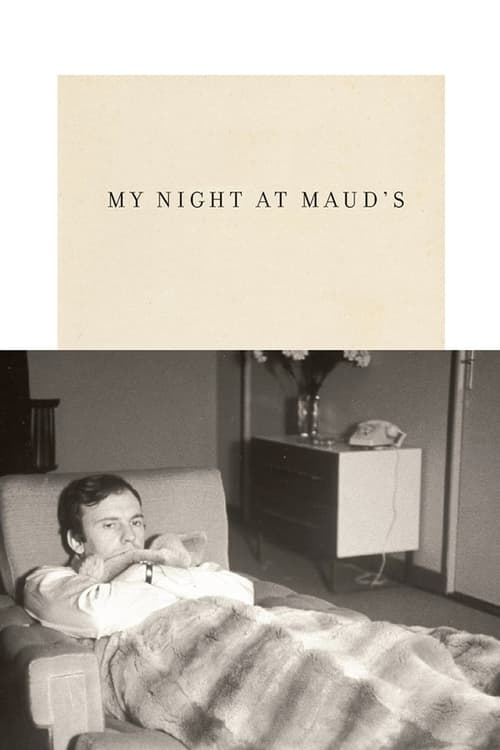
1969

2024
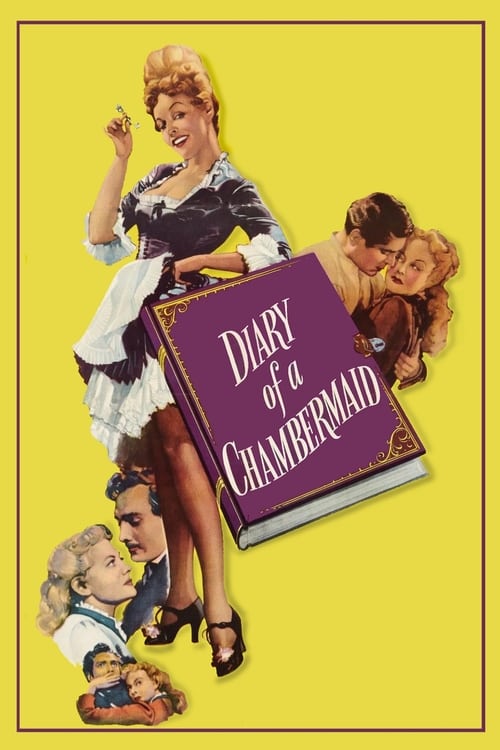
1946

2011
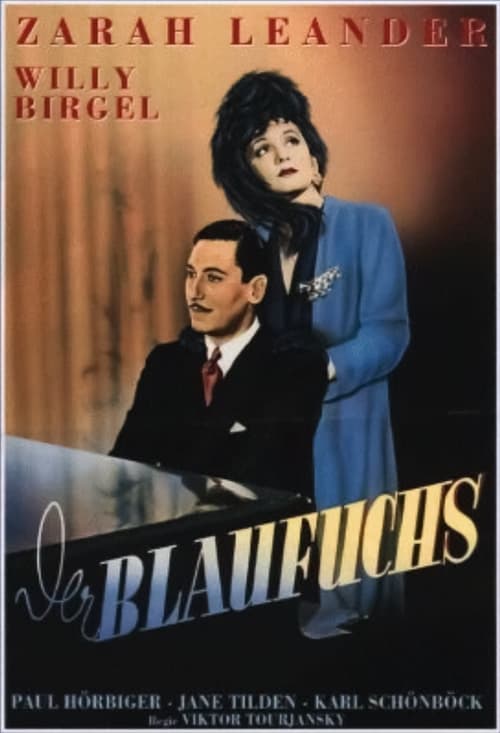
1938
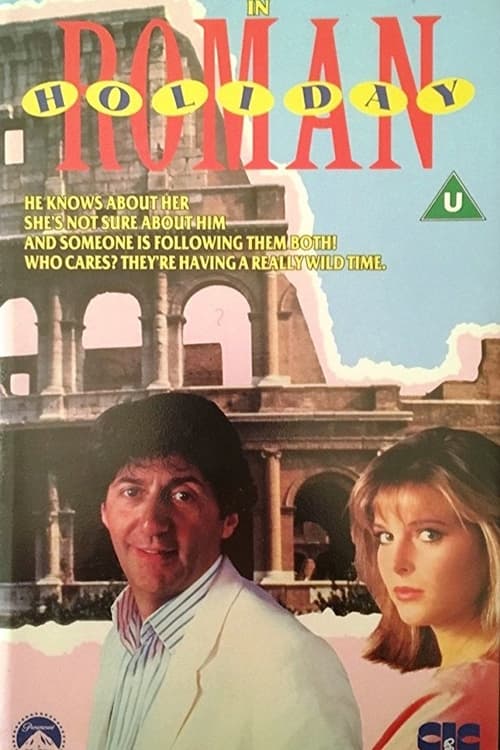
1987
1980
No reviews yet. Be the first to share your thoughts on this movie!
Use the rating form above to leave a star rating and optional review.