Fantoche
1977
No user ratings available yet
Representation score: 5.9 out of 10
Representation Score
Good
1993
Director
Gerardo Lara
Runtime
100 minutes
Average Rating
No ratings yetNew Showbiz Analysis
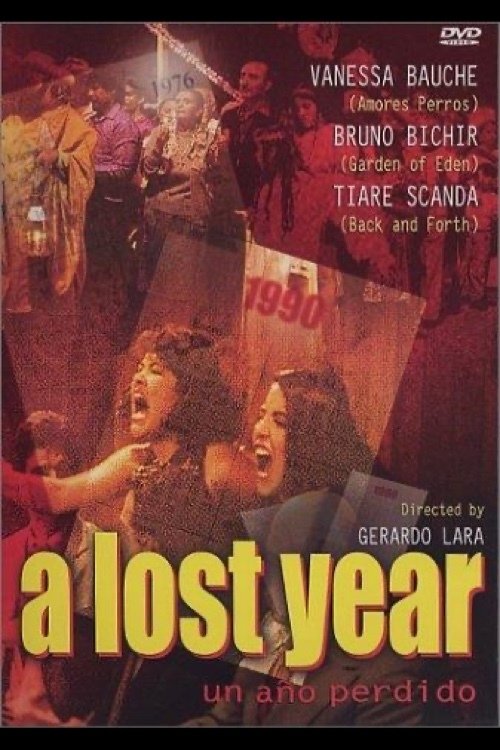
A Lost Year is a character-driven drama that elevates social and political consciousness alongside personal development. It succeeds by centering female ambition and the tension between individual autonomy and systemic structures. The film provides a meaningful Mexican perspective, moving away from Hollywood-centric storytelling. By focusing on the transition to womanhood and the challenge to authority, it subverts traditional domestic hierarchies. However, the film remains limited by its straight-centered framework. While it explores sexual ability to act, it lacks explicit queer representation or engagement with disability.
Category Breakdown
The film examines sexual awakening through a lens that assumes everyone is straight. It focuses on adolescent discovery but doesn't explicitly represent queer identities or diverse gender experiences.
Matilde and Yolanda drive the narrative through their personal ambitions and struggles against parental authority. This framing emphasizes women's ability to drive the story rather than traditional submissive roles.
Set in Toluca, the story centers on Mexican youth and local perspectives. It avoids Western-centric models by prioritizing regional social challenges and political awareness.
The film critiques rigid social structures by depicting rebellion against family and institutional authority. It frames political and social awakening as essential to personal growth.
The narrative contains no mention of characters navigating physical or neurodivergent disabilities.
Present on Screen
Limited or Absent
Official Synopsis
Two high school students in Toluca glimpse the challenges and hard road of awakening to adulthood. Matilde wants to be a dentist and Yolanda longs to be a singer. Both face parental authority, experience the transition from adolescence to womanhood, and share the awakening of sexuality, the challenge to authority, the discovery of drugs, and political awareness.
1977

2020
2015

2008

2011
1980
2005
2012
No reviews yet. Be the first to share your thoughts on this movie!
Use the rating form above to leave a star rating and optional review.