
Midnight Sun
2006
No user ratings available yet
Diversity score: 4.6 out of 10
2016
Director
Yoshitaka Mori
Runtime
124 minutes
Average Rating
No ratings yetSynopsis
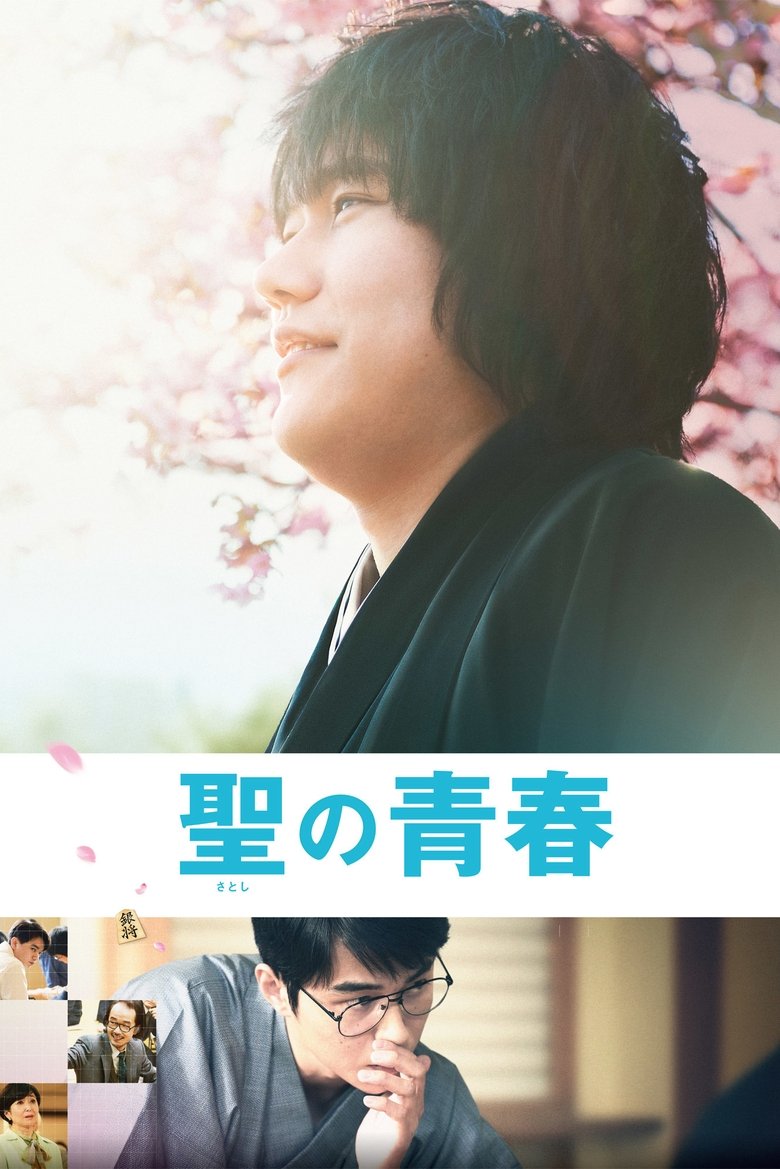
Satoshi Murayama, the shogi (Japanese chess) master known as the arch-rival of Yoshiharu Habu, the shogi genius of the century, died of an intractable disease at age 29. Satoshi devoted his life to fighting not only the disease but also his rivals, feverishly pursuing the highest title, at risk to his life. Director Yoshitaka Mori (Hyakuhachi (2008), Space Brothers (2012)) depicts Murayama's true struggling life, full of love from his parents and teacher, based on the non-fiction novel written by Yoshio Osaki. Kenichi Matsuyama intensely portrays Satoshi and physically embodies the character.
Overall Score
Fair
Category Breakdown
LGBTQ+ Representation
The film focuses on professional Shogi rivalry and familial bonds. There is no evidence of queer romantic arcs or non-cisnormative identities, keeping the narrative within conventional frameworks.
Gender Representation
The story centers on the male experience of competition and terminal illness. While maternal support is present, the film does not actively subvert traditional gender hierarchies or female agency.
Racial & Ethnic Diversity
As a Japanese production about a Shogi master, the cast and setting are ethnically homogeneous. The film operates within a culturally specific context rather than utilizing diverse casting.
Religious & Cultural Diversity
The narrative prioritizes traditional values like familial devotion and mentorship. It avoids religious dogma, focusing instead on the individual's struggle against biological destiny and the pursuit of legacy.
Disability Representation
The film offers a nuanced portrayal of chronic, intractable illness. It centers the protagonist's agency as he navigates professional peaks while physically declining, avoiding reductive tropes.
Strengths
Areas for Improvement
AI Analysis
Satoshi: A Move for Tomorrow is a specialized biographical drama that prioritizes historical and cultural authenticity. It succeeds by providing a dignified, nuanced portrayal of a life lived under extreme physical duress. However, the film remains anchored in traditional social structures. It offers limited engagement in the subversion of gender, sexual, or racial hierarchies, focusing instead on a localized, culturally specific experience. The film's primary impact comes from its empathetic handling of the human condition and the intersection of passion and biological challenge.
2006

2017

2002
2009

2021

2014

2021

2005

2017
2021

2005
2022
No reviews yet. Be the first to share your thoughts on this movie!
Use the rating form above to leave a star rating and optional review.