
Again
2015
No user ratings available yet
Representation score: 4.0 out of 10
Representation Score
Fair
2009
Director
Sumio Ōmori
Runtime
133 minutes
Average Rating
No ratings yetNew Showbiz Analysis
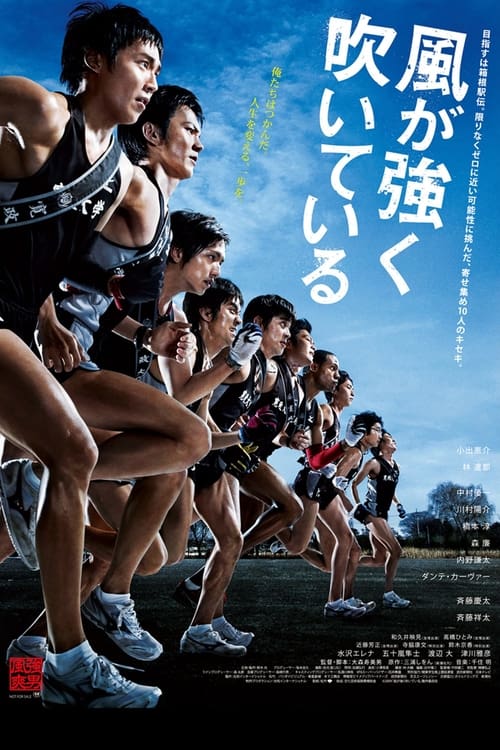
Feel the Wind is an earnest drama centered on athletic perseverance and the formation of communal bonds. The narrative uses the Hakone Ekiden to explore personal redemption and the journey from isolation to collective cohesion. While the film offers a nuanced look at managing physical limitations, it operates within a relatively conventional and homogeneous framework. The focus remains on psychological depth and character resilience rather than systemic subversion. Ultimately, the film succeeds as a character-driven study of human connection but lacks the multi-layered complexity found in more diverse modern narratives.
Category Breakdown
The story highlights the strong emotional bond between Haiji and Kakeru but does not explicitly depict LGBTQ identities or romantic relationships outside of heterosexual norms.
The narrative centers around a male-dominated running team. While it avoids harmful stereotypes, it lacks significant roles for women or challenges to traditional gender hierarchies.
The film depicts a homogeneous social environment centered on a specific Japanese cultural institution. It does not use diverse casting to challenge demographic norms.
The film celebrates traditional Japanese values such as perseverance and teamwork. It emphasizes the importance of the collective over the individual through the Hakone Ekiden.
Haiji’s past injury is a central element of the story. The narrative treats physical vulnerability as a catalyst for growth rather than a source of ridicule.
Present on Screen
Limited or Absent
Official Synopsis
Haiji was an elite runner, but has not competed due to a past injury. He then meets fellow elite runner Kakeru who also left running, but caused by a dispute. Their meeting inspires both young men to run again, with Haiji choosing the fabled "Hakone Ekiden" (long distance relay race). The race requires a 10 member team so Haiji and Kakeru recruits 8 others (some of whom have never even run before). Within this unlikely group of runners a bond is formed through their training and a belief that they can accomplish the impossible.
2015

2014
2008

2019

2009

2021

2012

2007
No reviews yet. Be the first to share your thoughts on this movie!
Use the rating form above to leave a star rating and optional review.