The Landfill
2012
No user ratings available yet
Representation score: 3.4 out of 10
Representation Score
Minimal
2012
TV-GDirector
David W. Leitner
Runtime
4 minutes
Average Rating
No ratings yetNew Showbiz Analysis
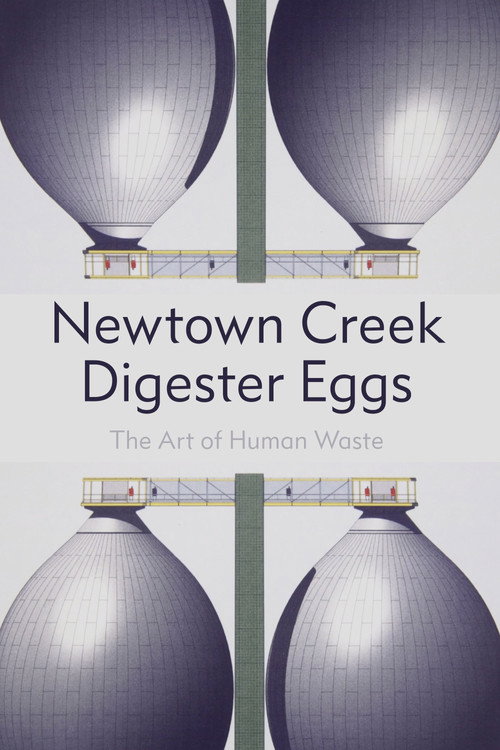
Newton Creek Digester Eggs is a visual meditation on an essential but overlooked piece of urban infrastructure. Its strength lies in transforming an industrial site into a striking aesthetic subject through careful cinematography. Because the film excludes human characters, dialogue, and social context, it registers zero across all diversity categories. There are no identities, relationships, or cultural frameworks to represent. This absence is not a flaw in craft but a consequence of scope. The documentary prioritizes form and function over human stories, which inherently limits its representational range.
Category Breakdown
The film contains no LGBTQ+ characters, relationships, or themes. Its focus remains strictly on the wastewater treatment plant’s architecture and operations, leaving no room for queer narratives or identities.
No human characters appear, so gender representation is absent. The documentary centers on the treatment facility’s design and function rather than any interpersonal dynamics or gendered perspectives.
Racial and ethnic diversity are not depicted. The subject is industrial infrastructure, not human communities, so no racial identities or experiences are represented on screen.
The film does not engage with cultural, religious, or political themes. It functions as a visual study of a Brooklyn municipal facility, offering no commentary on the surrounding community’s cultural life.
No characters with disabilities appear. The content is confined to the physical structure of the plant, so disability representation is entirely absent from the narrative.
Present on Screen
Limited or Absent
Official Synopsis
An unusual marriage of form and function energizes the jaw-droppingly beautiful Newtown Creek Wastewater Treatment Plant in Brooklyn, New York. David W. Leitner is the Oscar-nominated producer of For All Mankind and a cinematographer extraordinaire (Trembling Before G-d, Portrait-in-Progress: Chuck Close).
2012
2013
2006
1978
2020
2000
2002
2000
No reviews yet. Be the first to share your thoughts on this movie!
Use the rating form above to leave a star rating and optional review.