
Santo vs. the Strangler
1965
No user ratings available yet
Representation score: 1.8 out of 10
Representation Score
Limited
1970
TV-14Director
René Cardona
Runtime
78 minutes
Average Rating
No ratings yetNew Showbiz Analysis
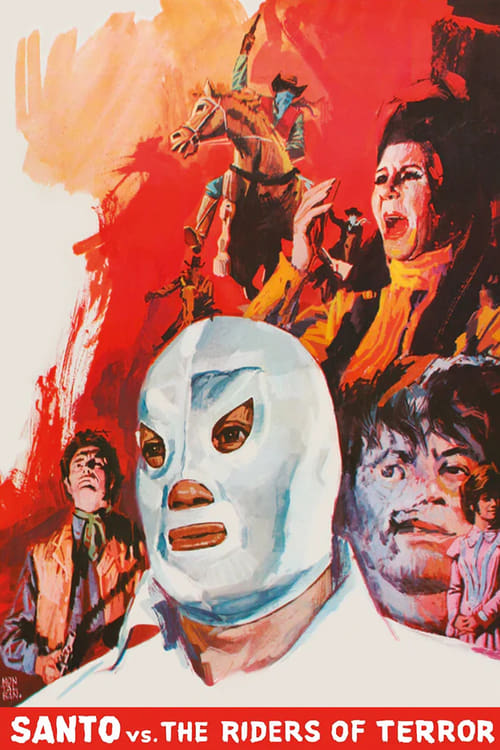
Santo vs. the Riders of Terror is a traditional genre piece that prioritizes established archetypes over social subversion. It upholds cultural icons and conventional moral hierarchies through a clear distinction between hero and villain. The film offers a culturally specific Mexican perspective, yet it lacks multi-layered complexity. It relies on outdated formulas, particularly in how it utilizes physical disability to signify moral corruption and how it sidelines women's ability to drive the story. Ultimately, the work reinforces social stability and traditional gender roles rather than challenging systemic power dynamics or providing diverse representation.
Category Breakdown
The film strictly follows the assumption that everyone is straight or cisgender. There are no non-assuming gender matches what was assigned at birth identities or same-sex relationships in the story.
Female characters play secondary, passive roles. The story relies on masculine strength and leadership to drive the plot, framing femininity through vulnerability.
The film features a predominantly Mexican cast and setting. It centers Mexican identity through its protagonist within a localized cultural framework.
The narrative reinforces conventional nationalist values of law and order. It presents a clear moral binary between heroism and criminality without exploring moral relativism.
Physical disability is used as a tool for horror and antagonism. The film employs disfigurement as shorthand for villainy rather than providing nuanced perspectives.
Present on Screen
Limited or Absent
Official Synopsis
After a group of violent lepers escapes from a sanitarium, - robbing several farms, residents of the town demand the the sheriff - take action. Meanwhile, a local criminal joins forces with the lepers - to commit even more robberies. As the disfigured madmen keep the - entire town indoors with its reign of terror, the sheriff has no - choice but to call on the only man who can help--legendary wrestling - superhero, Santo!
1965
1966
1962
1954
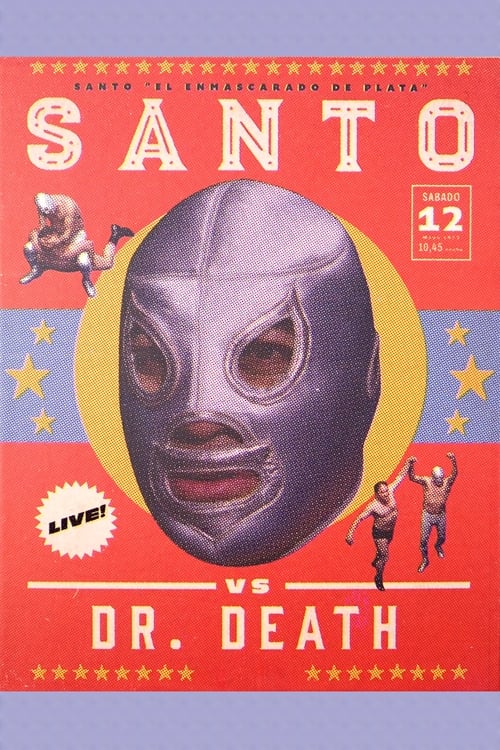
1973
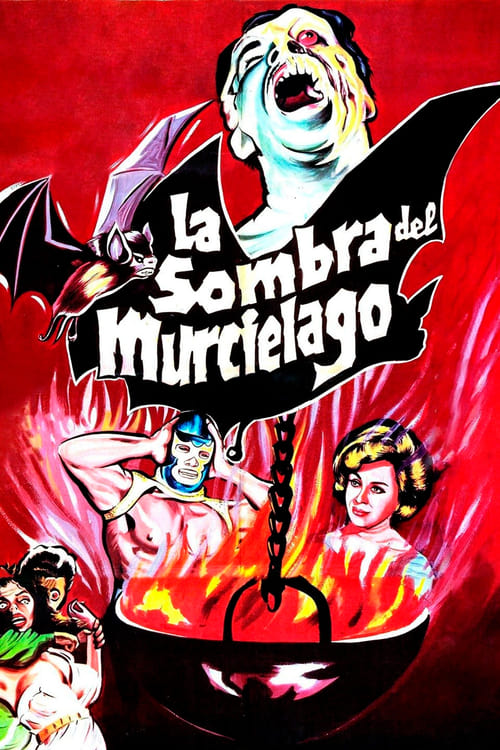
1968
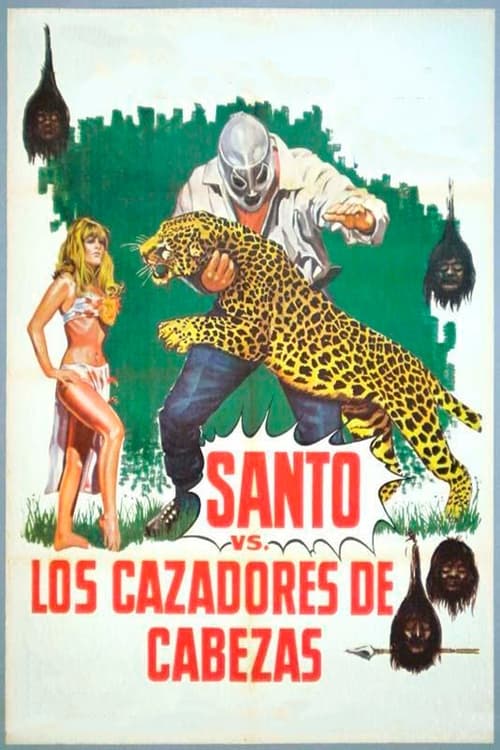
1971
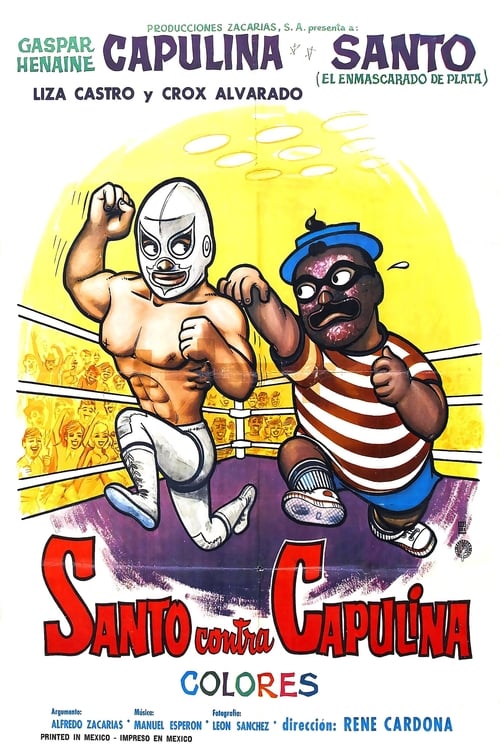
1969
No reviews yet. Be the first to share your thoughts on this movie!
Use the rating form above to leave a star rating and optional review.