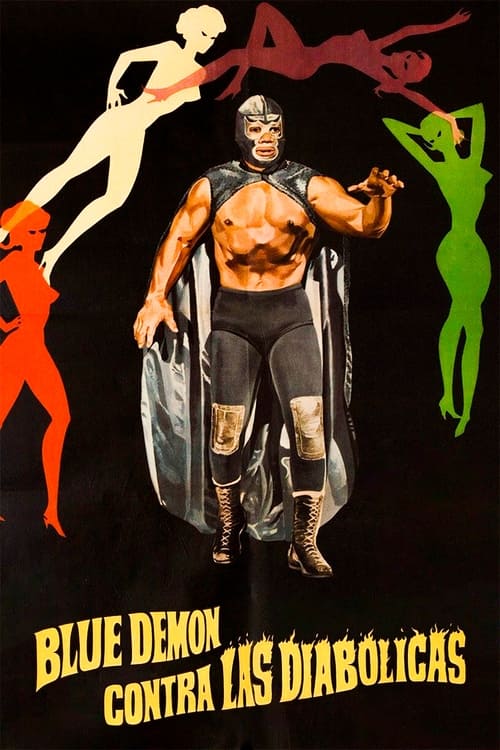
Blue Demon vs. the Diabolical Women
1968
No user ratings available yet
Representation score: 2.7 out of 10
Representation Score
Fair
1968
Director
Federico Curiel
Runtime
90 minutes
Average Rating
No ratings yetNew Showbiz Analysis
The film is a product of its time, relying heavily on the established clichés of Mexican genre cinema. While it offers cultural specificity through the lens of lucha libre, the character dynamics remain largely traditional and unchallenging. Gender roles are not explored in depth, as female characters are primarily depicted as prizes or victims within the plot. The narrative structure prioritizes masculine heroics and personal vendettas over social subversion. While the protagonist’s physical disfigurement provides a focal point for identity, the film risks using this trait as a simplistic symbol for moral corruption. Overall, the work adheres to mid-century genre conventions rather than challenging social hierarchies.
Category Breakdown
The film does not include any characters with non-binary gender identities or same-sex relationships. It follows traditional romantic dynamics typical of 1960s adventure-horror films.
Female characters are portrayed as passive objects of desire rather than as individuals who take control of their own lives. The plot revolves around the kidnapping of a singer, reinforcing traditional gender roles.
The film centers on Mexican culture through the inclusion of lucha libre archetypes such as Blue Demon. This provides a meaningful cultural anchor within the genre.
The story focuses on personal vendettas and physical prowess rather than social critique. It uses standard genre conflicts without exploring broader societal issues or secular themes.
The protagonist's disfigurement introduces a character with a visible physical difference. However, it is unclear whether this serves as a complex identity or a simple symbol for villainy.
Present on Screen
Limited or Absent
Official Synopsis
A former wrestler called "the bat" lives in hiding after being disfigured and plans to kidnap a beautiful female singer and a lucha libre star known as Blue Demon.
1968
1963
1970
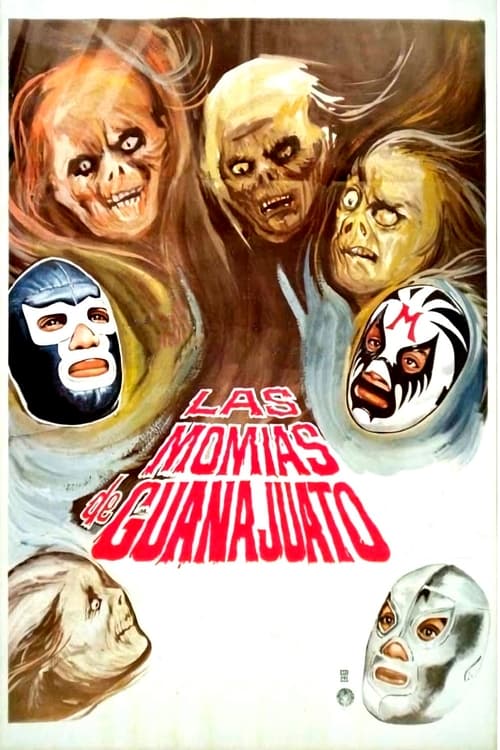
1972
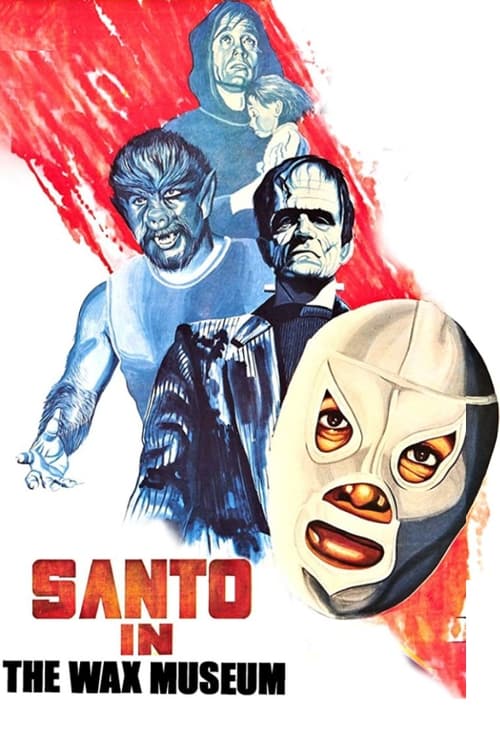
1963
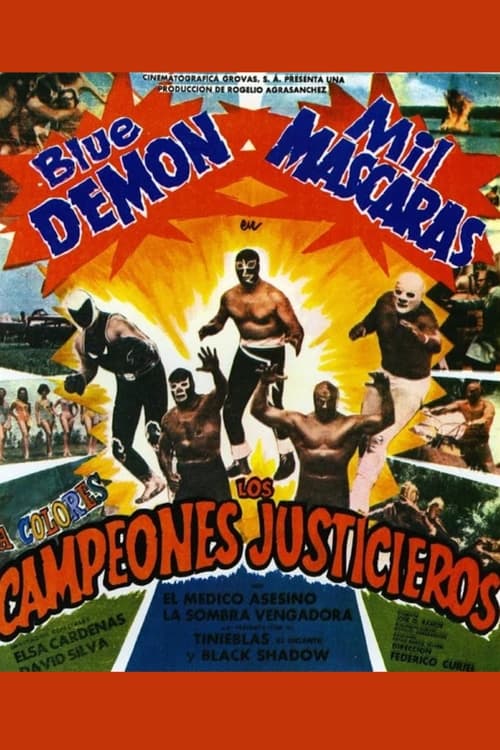
1971
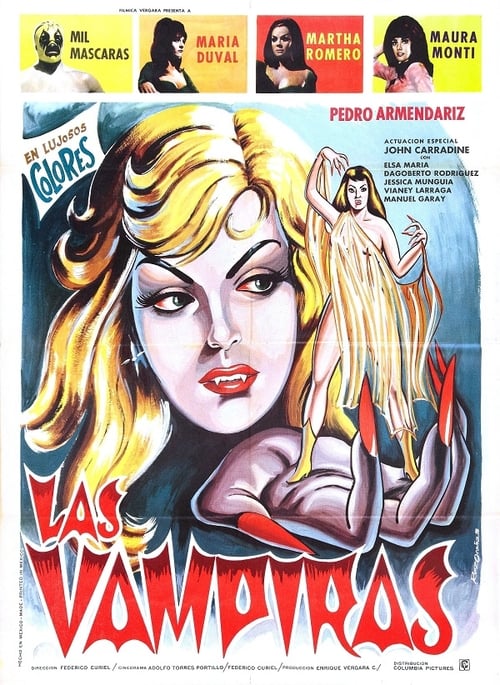
1969
1971
No reviews yet. Be the first to share your thoughts on this movie!
Use the rating form above to leave a star rating and optional review.