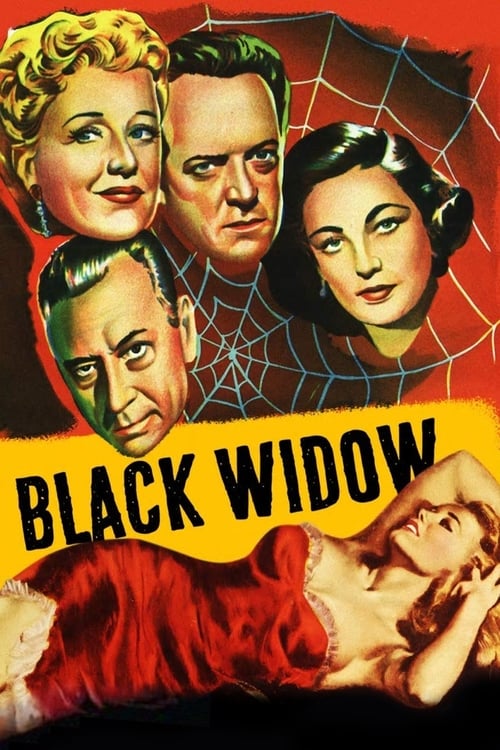
Black Widow
1954
No user ratings available yet
Diversity score: 1.3 out of 10
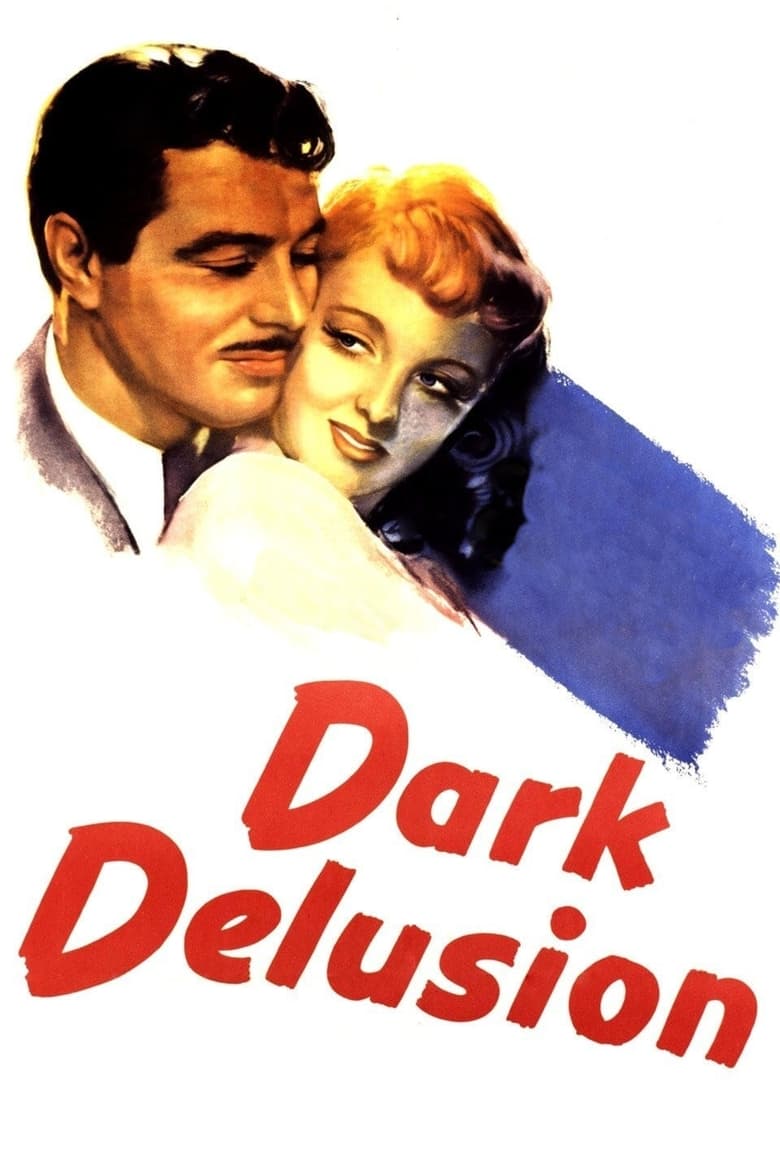
1947
NRDirector
Willis Goldbeck
Runtime
90 minutes
Average Rating
No ratings yetSynopsis
Spoiled socialite Cynthia Grace is suffering from a blood clot. Not unexpectedly, Tommy Coalt falls in love with Cynthia, much to her parents' dismay. Soon he's drawing up plans to marry the girl and setting up private practice in a smaller town.
Overall Score
Minimal
Category Breakdown
LGBTQ+ Representation
The film follows a heteronormative romantic arc between Cynthia Grace and Tommy Coalt. There is no evidence of non-cisnormative identities or critiques of heteronormativity.
Gender Representation
Cynthia Grace serves as the central female protagonist, though her agency is tied to her social status and health. The plot follows a traditional romantic pursuit within conventional domestic structures.
Racial & Ethnic Diversity
The narrative focuses on socialites and professional establishment, reflecting mid-century tropes. It lacks specific character descriptions that would indicate diverse casting beyond a singular, dominant social class.
Religious & Cultural Diversity
Themes emphasize marriage, social class, and professional stability. The conflict centers on familial disapproval, reinforcing traditionalist values and established social structures rather than critiquing them.
Disability Representation
A blood clot acts as a narrative catalyst for the protagonist's vulnerability. The medical condition functions primarily as a plot device to drive romantic tension rather than exploring lived experience.
Strengths
Areas for Improvement
AI Analysis
Dark Delusion is a mid-century social drama that adheres strictly to the era's traditional narrative conventions. The story focuses on class dynamics and romantic conflict, reinforcing established social hierarchies rather than challenging them. The film relies on standard melodramatic tropes, such as using a medical condition to heighten emotional stakes and centering the plot on marriage and parental approval. This approach prioritizes conventional storytelling over diverse or subversive perspectives. Ultimately, the work functions as a period piece that reflects the homogeneous social standards of 1947, offering little representation outside of its central, traditionalist romantic arc.
1954

1943

1956
1949
1933
1945
1940
1945

1959
No reviews yet. Be the first to share your thoughts on this movie!
Use the rating form above to leave a star rating and optional review.