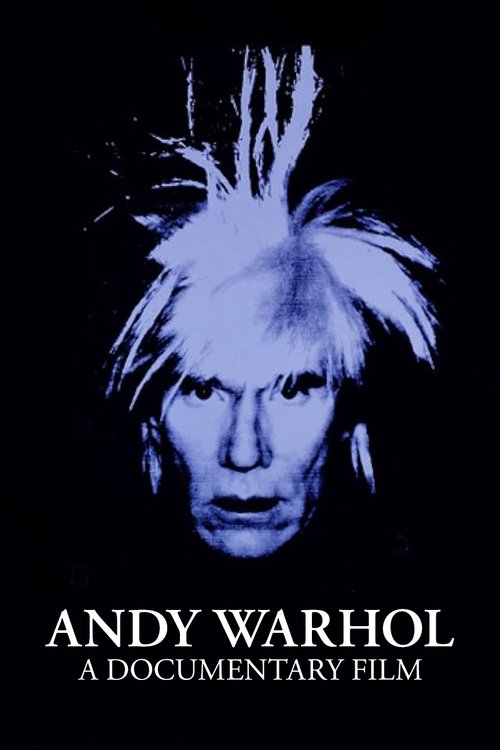
Andy Warhol: A Documentary Film
2006
No user ratings available yet
Diversity score: 7.7 out of 10
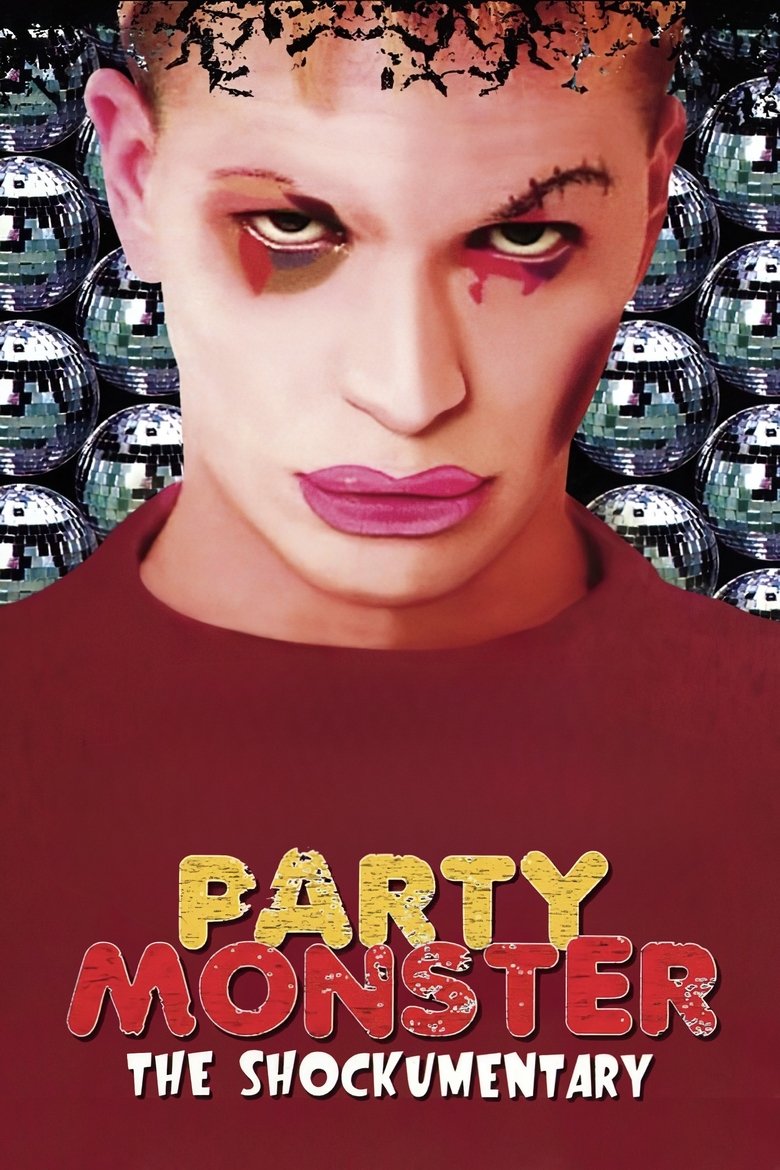
1998
Director
Randy Barbato, Fenton Bailey
Runtime
57 minutes
Average Rating
No ratings yetSynopsis
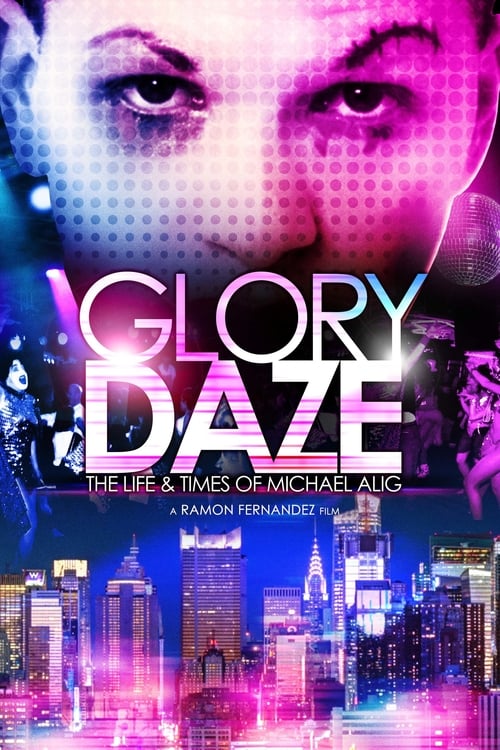
Tells the story of the rise and fall of Michael Alig, a kid from Middle America who aspired to take the place of Andy Warhol. Michael quickly rose to become the biggest party promoter in New York and King of the so-called Club Kids. But after spiraling into drug addiction, Michael brutally murdered his roommate Angel Melendez.
Overall Score
Good
Category Breakdown
LGBTQ+ Representation
The film centers non-heteronormative social structures, making queer identity the core of the narrative. It explores identity through camp and performance, avoiding tragic tropes by highlighting the agency of these individuals.
Gender Representation
Gender is presented as a performative tool rather than a fixed mandate. The film disrupts traditional hierarchies by showcasing gender fluidity and aesthetic influence within the Club Kid community.
Racial & Ethnic Diversity
The documentary captures a multi-ethnic urban tapestry reflecting New York City's underground. However, intersectional analysis for non-white characters is occasionally secondary to the focus on queer nightlife.
Religious & Cultural Diversity
The narrative critiques mainstream societal expectations by portraying a subculture that operates outside conventional morality. It prioritizes hedonism and spectacle over traditional religious or civic duties.
Disability Representation
Psychological impacts are framed through addiction and lifestyle rather than agency-driven disability narratives. The film does not center neurodivergence or physical disability as primary modes of character development.
Strengths
Areas for Improvement
AI Analysis
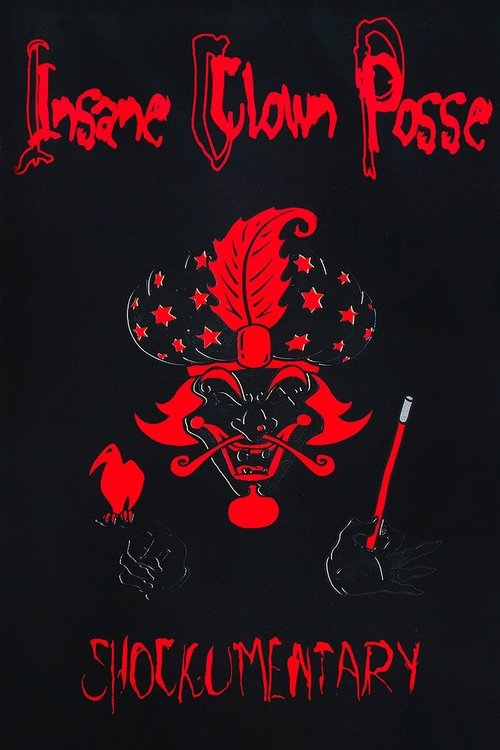
Party Monster: The Shockumentary is a profound study of subcultural rebellion, successfully centering LGBTQ+ identities and disrupting traditional gender norms through the lens of New York's club scene. It excels at documenting a world that rejects mainstream Western social structures in favor of performance and camp. While the film captures a diverse urban melting pot, it lacks deep intersectional depth regarding racial identities. The focus remains heavily on the socioeconomic spectacle of the nightlife phenomenon. Ultimately, the film provides a radical look at marginalized social spheres, though it treats psychological struggles as consequences of lifestyle rather than exploring disability with specific agency.
2006

2018
2019
2002
2015
1996

2000
2011

2010
1997
2021

2009
No reviews yet. Be the first to share your thoughts on this movie!
Use the rating form above to leave a star rating and optional review.