
Jeremy Scott: The People's Designer
2015
No user ratings available yet
Representation score: 6.1 out of 10

Representation Score
Excellent
2019
Not RatedDirector
Frédéric Tcheng
Runtime
105 minutes
Average Rating
No ratings yetNew Showbiz Analysis
Halston provides a sophisticated look at the 1970s through the lens of identity and social fluidity. It places queer subcultures and the multicultural reality of Manhattan at the heart of the narrative, treating these elements as essential to the era's fabric. The film moves beyond simple biography to critique how corporate hegemony can erode individual creative identity. By showcasing women as influential figures and exploring the subversion of gender roles, it offers a nuanced view of the period's social dynamics. However, the documentary lacks engagement with disability representation, remaining focused on socioeconomic and identity-based shifts within the fashion industry.
Category Breakdown
The film focuses on the queer subcultures of 1970s New York nightlife. It presents same-sex relationships and flexible social structures as fundamental to the fashion and disco scenes, rather than secondary elements.
High fashion and disco glamour are used to challenge traditional gender hierarchies. Women are shown as influential participants in cultural shifts, rather than passive figures.
The production captures the diverse reality of 1970s Manhattan. Black and Latino characters are integrated into the professional and social hierarchies of the era's creative subcultures.
The narrative critiques capitalist structures and the commodification of identity. It portrays the protagonist's journey as a struggle between personal authenticity and the oppressive weight of institutional commercialism.
The film does not significantly address visible or invisible disabilities. The narrative remains centered on socioeconomic and identity-based shifts within the fashion industry.
Present on Screen
Limited or Absent
Official Synopsis
From Iowa to Studio 54, this investigation into the rags-to-riches story of America’s first superstar designer uncovers the cautionary tale of an artist who sold his name to Wall Street.
2015

2015
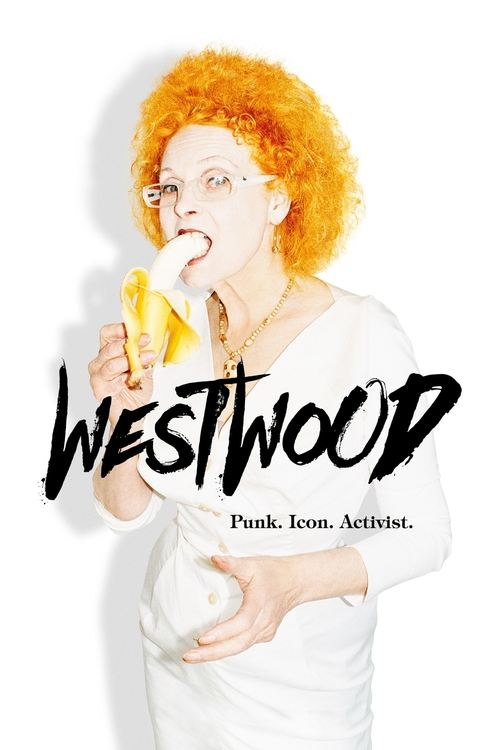
2018

2014
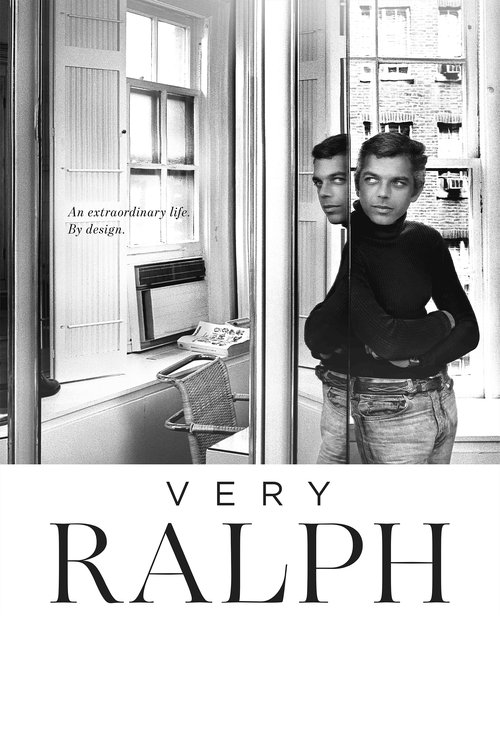
2019

2018

2019
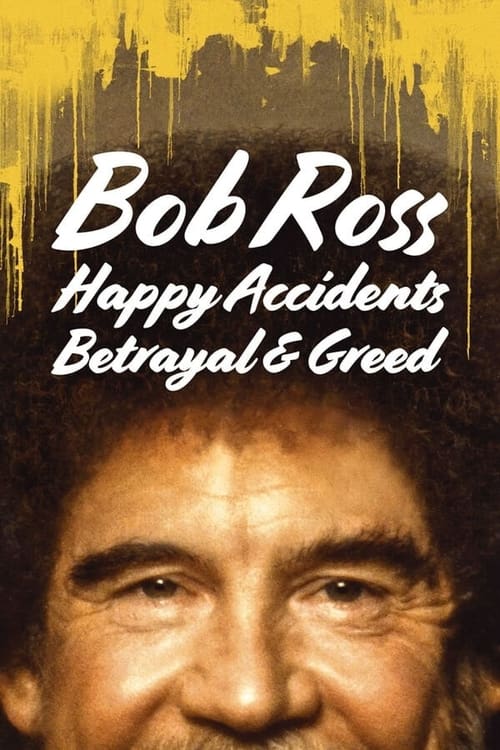
2021
No reviews yet. Be the first to share your thoughts on this movie!
Use the rating form above to leave a star rating and optional review.