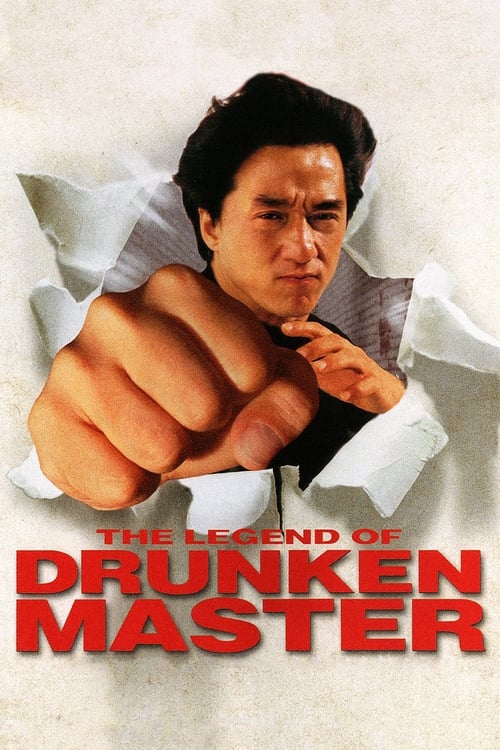
The Legend of Drunken Master
1994
No user ratings available yet
Diversity score: 6.7 out of 10
1982
Director
Lau Kar-Leung
Runtime
109 minutes
Average Rating
No ratings yetSynopsis
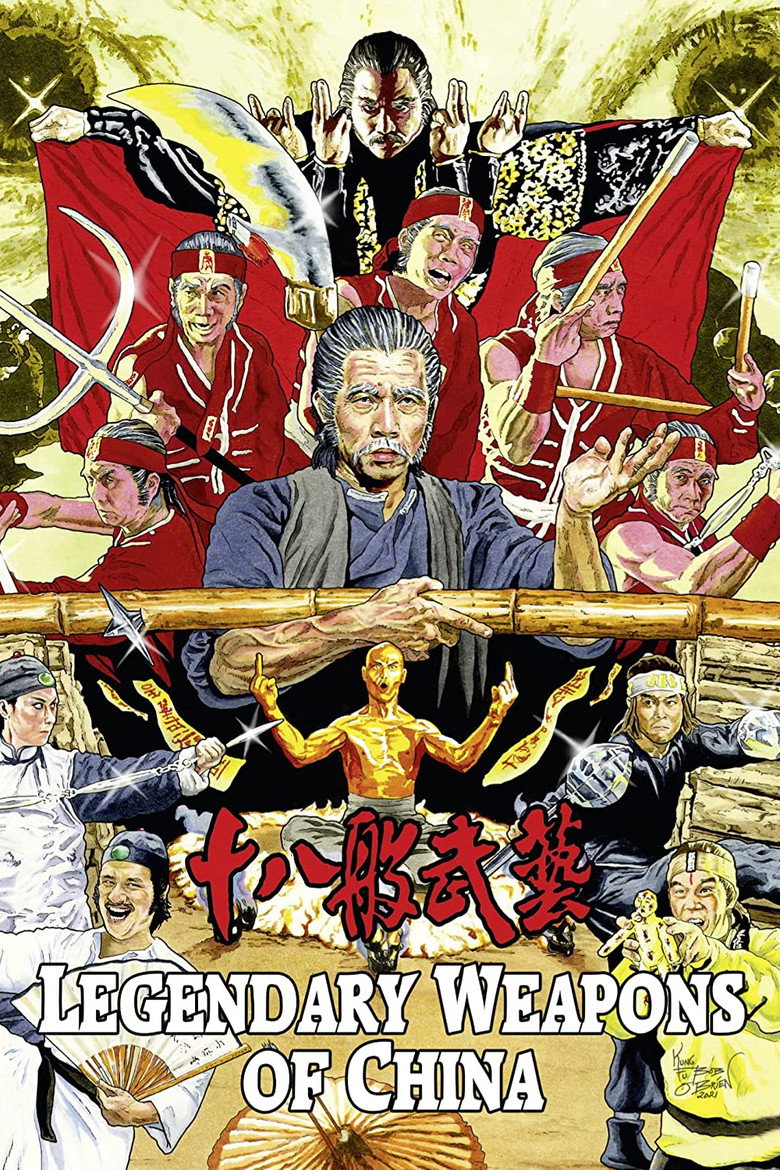
Legendary Weapons of China is a martial arts fantasy film taking place during the late Qing Dynasty when Empress Dowager Cixi dispatches her agents to various factions of the Boxer Rebellion in order find supernatural martial artists that are invulnerable to western bullets. When one of the leaders of these groups disbands his forces, assassins from the remaining factions are sent out to kill him.
Overall Score
Fair
Category Breakdown
LGBTQ+ Representation
The film adheres to traditional social structures of the late Qing Dynasty. There is no evidence of non-cisnormative identities or same-sex romantic narratives.
Gender Representation
The plot is driven by male-dominated factions within the Boxer Rebellion. While female characters in this genre often possess martial agency, they operate within traditional hierarchies.
Racial & Ethnic Diversity
The narrative prioritizes a non-Western perspective by centering the struggle against Western colonial influence. It uses indigenous martial arts as a metaphor for cultural resistance.
Religious & Cultural Diversity
The film explores tensions between imperial authority and grassroots resistance. It emphasizes traditional spiritual and physical mastery over Western industrialist advantages.
Disability Representation
There is no evidence of characters with visible or invisible disabilities. No such traits are used as plot devices within the narrative.
Strengths
Areas for Improvement
AI Analysis
Legendary Weapons of China is a culturally specific work that excels in its portrayal of ethnic identity and resistance against colonial hegemony. By centering the Boxer Rebellion, the film provides a powerful non-Western perspective that prioritizes indigenous knowledge over foreign technological imposition. However, the film lacks contemporary intersectional markers. The narrative structure remains rooted in the traditional social hierarchies of the late Qing Dynasty, resulting in limited representation for LGBTQ+ identities and a male-dominated power dynamic. Ultimately, the film serves as a vehicle for cultural preservation. While it does not address modern diversity standards regarding gender or disability, its focus on cultural autonomy provides significant depth.
1994
1986
1985
1979
1992
1977

1982
2013
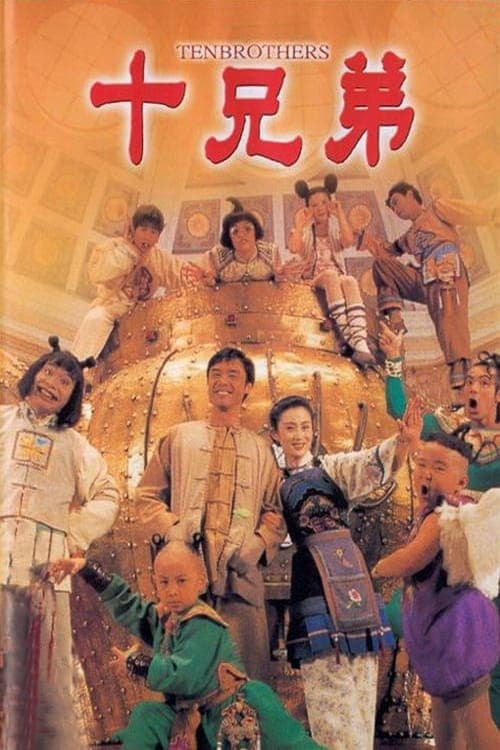
1995
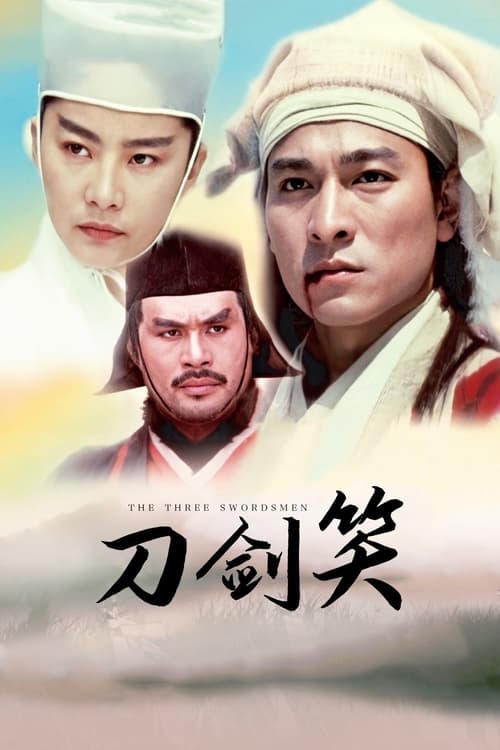
1994
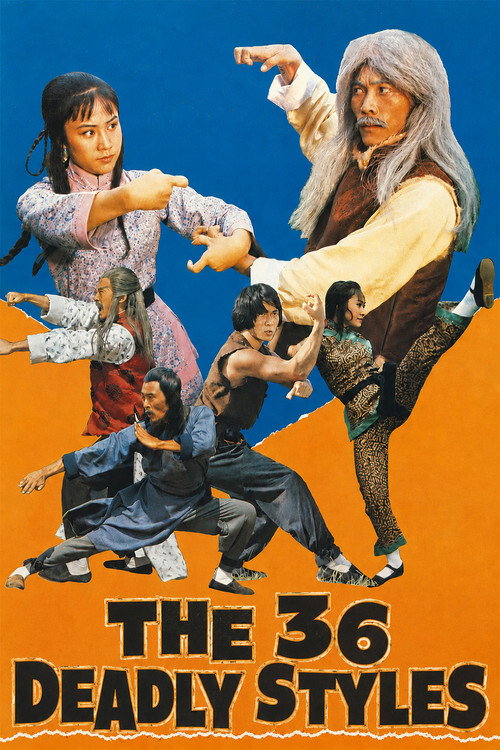
1979
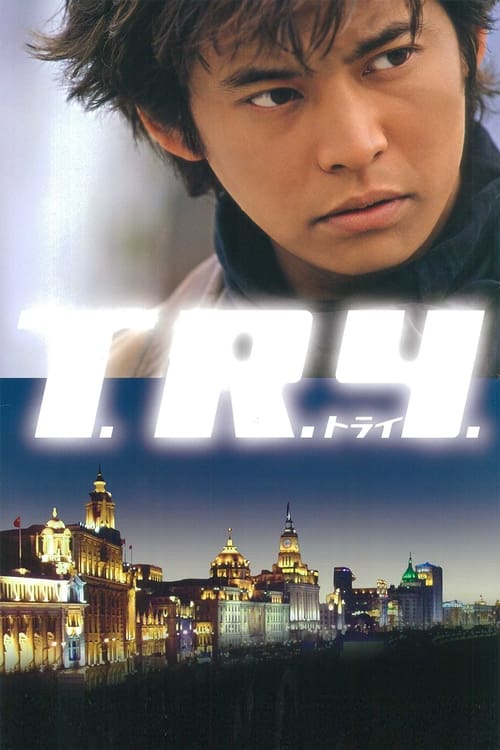
2003
No reviews yet. Be the first to share your thoughts on this movie!
Use the rating form above to leave a star rating and optional review.