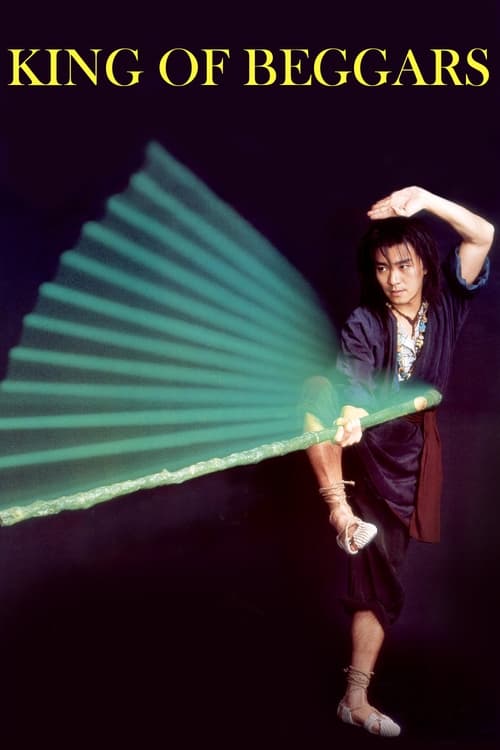
King of Beggars
1992
No user ratings available yet
Diversity score: 4.5 out of 10
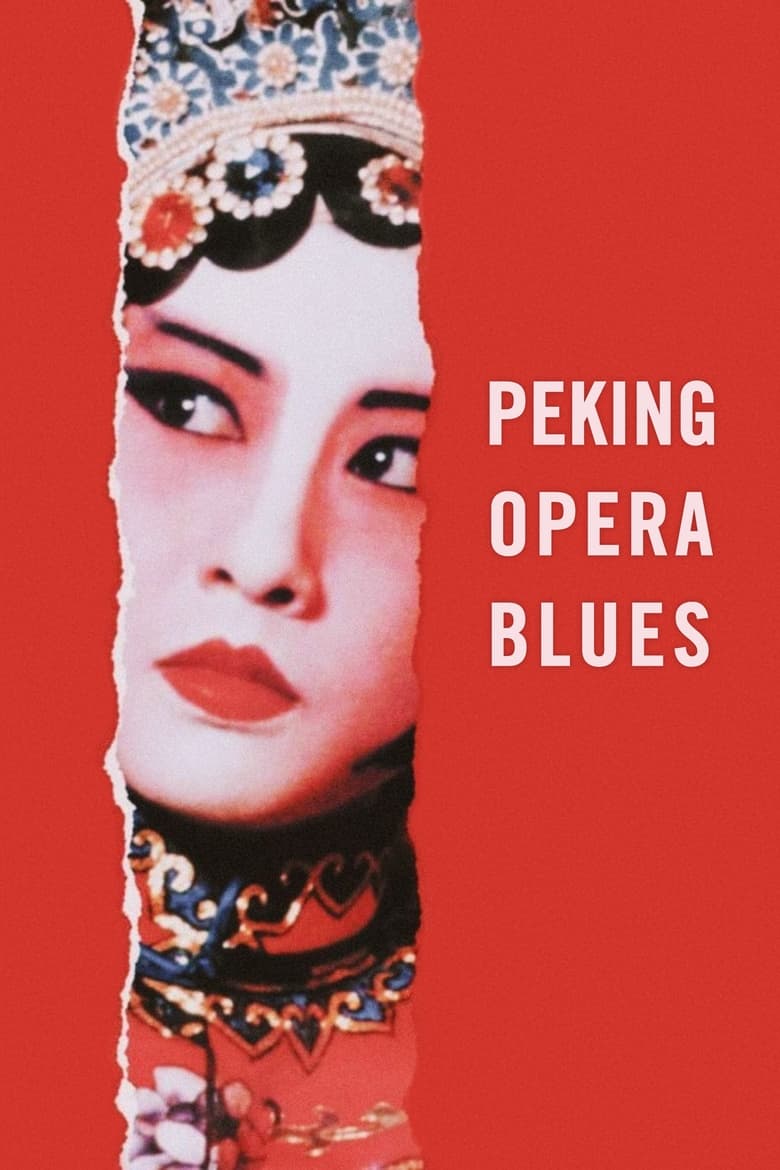
1986
TV-14Director
Tsui Hark
Runtime
105 minutes
Average Rating
No ratings yetSynopsis
In 1913 Beijing, three fierce women—disguised rebel Tsao Wan, jewel-seeking Sheung Hung, and opera heiress Pai Niu—embark on a daring quest filled with intrigue and betrayal, challenging societal norms amidst political turmoil and the vibrant world of Peking Opera.
Overall Score
Good
Category Breakdown
LGBTQ+ Representation
The film explores fluid identities through the lens of gender-bending opera performances. However, it lacks explicit depictions of same-sex intimacy or non-cisnormative romantic arcs within the main plot.
Gender Representation
Three fierce women drive the narrative, shifting agency away from traditional male protagonists. They subvert the damsel trope by demonstrating superior tactical agency and resilience amidst political turmoil.
Racial & Ethnic Diversity
Set in early 20th-century China, the film centers a distinctly Chinese cultural phenomenon. It avoids the Western gaze by focusing on internal social complexities and historical realities.
Religious & Cultural Diversity
The story critiques corrupt political and criminal institutions through the struggle of marginalized performers. It frames characters operating outside the law as necessary agents of survival.
Disability Representation
Characters are primarily defined by physical prowess and kinetic energy. There is limited narrative engagement with the agency of neurodivergent or physically disabled individuals.
Strengths
Areas for Improvement
AI Analysis
Tsui Hark’s work succeeds by using the Peking Opera as a metaphor for identity and survival. The film effectively deconstructs traditional hierarchies, prioritizing the agency of marginalized performers over established social institutions. The narrative's greatest strength is its subversion of gendered agency. By centering the plot on three capable women, the film challenges the male-dominated underworld and traditional cinematic tropes. However, the film remains limited in its exploration of queer identities and disability. While gender performance is central to the opera, the plot does not extend into explicit LGBTQ+ romantic arcs or diverse physical representations.
1992
1979
1996
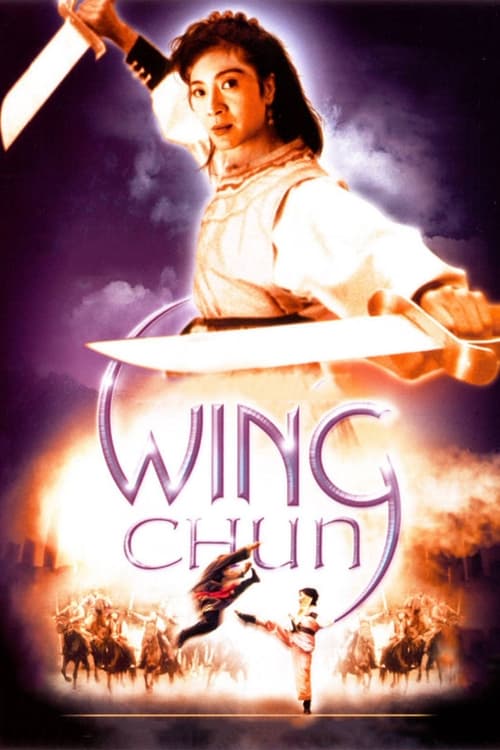
1994
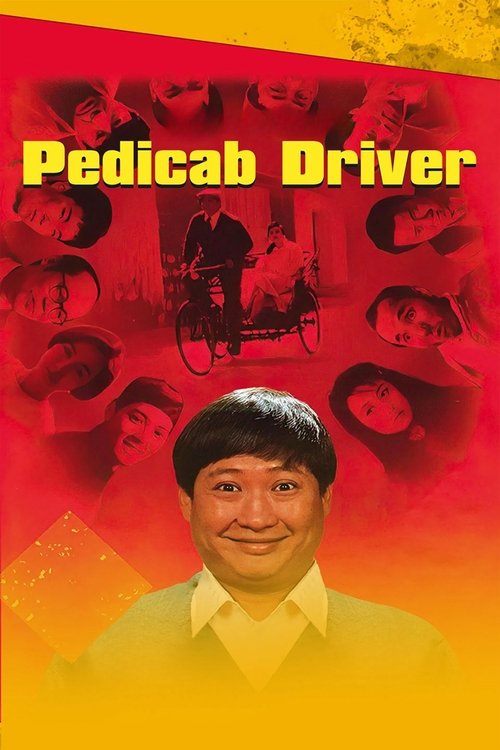
1989
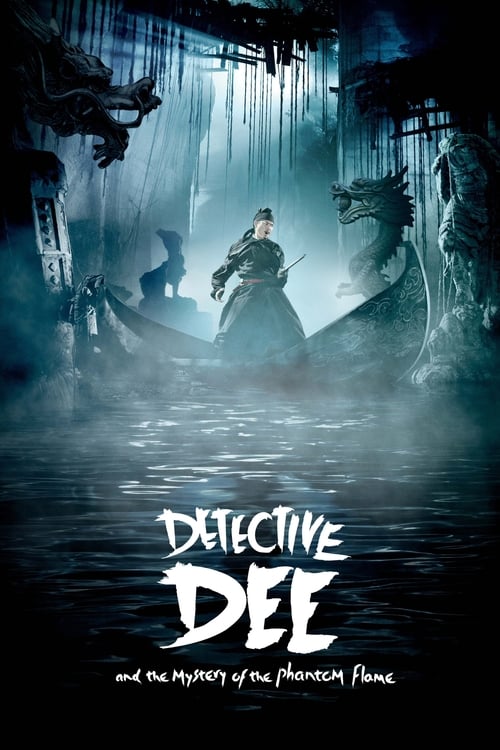
2010
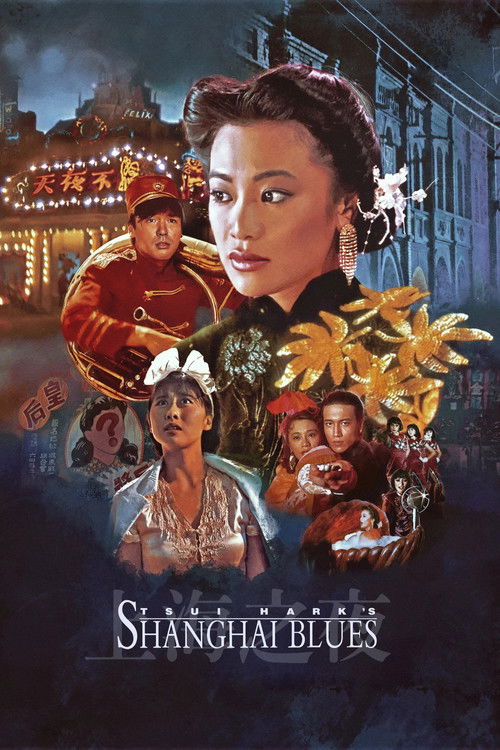
1984
No reviews yet. Be the first to share your thoughts on this movie!
Use the rating form above to leave a star rating and optional review.