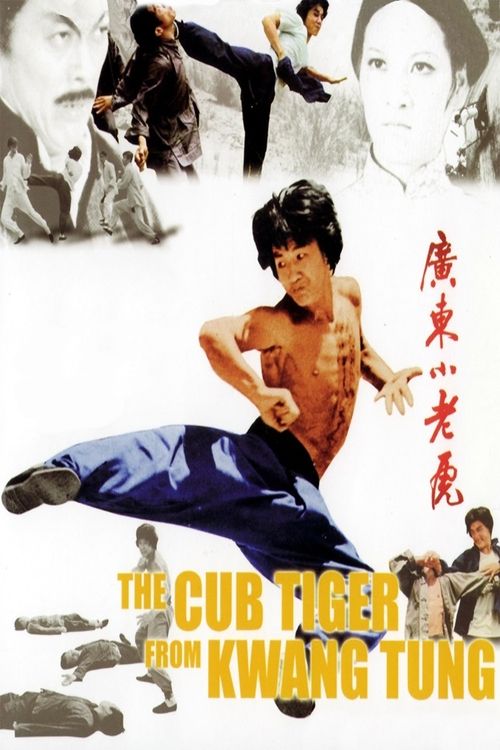
The Cub Tiger from Kwang Tung
1973
No user ratings available yet
Representation score: 3.3 out of 10
Representation Score
Limited
1977
RDirector
Sammo Hung Kam-Bo
Runtime
93 minutes
Average Rating
No ratings yetNew Showbiz Analysis
The film is a period-specific action piece that prioritizes ethnic conflict and martial discipline over modern characters who reflect more than one aspect of diversity. It functions as a study of localized resistance, using the struggle against Manchu control to drive its drama. While the cast is ethnically homogeneous, the narrative provides a focused exploration of ethnic identity and sovereignty. The protagonists seek justice outside of corrupt state institutions, emphasizing grassroots empowerment. However, the film remains constrained by the clichés of its era. It lacks gender diversity and LGBTQ+ representation, centering almost exclusively on male-driven martial hierarchies and traditional social structures.
Category Breakdown
The film focuses on traditional martial lineages and brotherhood. There is no evidence of non-traditional gender identities or same-sex relationships.
The narrative ability to act is concentrated in male protagonists like Husker and the monk. The plot reinforces traditional male leadership and martial hierarchies.
The cast is ethnically homogeneous, reflecting its 1977 Hong Kong origins. However, the plot centers on ethnic resistance against Manchu occupiers.
Buddhist monks are depicted as training grounds for physical ability to act rather than religious dogma. The story explores grassroots mobilization against systemic oppression.
The film focuses on physical prowess and martial mastery. There is no significant evidence regarding the portrayal of visible or invisible disabilities.
Present on Screen
Limited or Absent
Official Synopsis
Husker is a student of the Shaolin monks, learning kung fu so that he can avenge his uncle who was murdered by the Manchus who control the province. He leaves his training early, desperate to teach the killers a lesson, and teams up with a martial artist monk who is teaching a group of factory workers how to defend themselves. When the Manchus strike again, Husker and his Buddhist pal decide it's time to even the score.
1973

1978
1978
1980
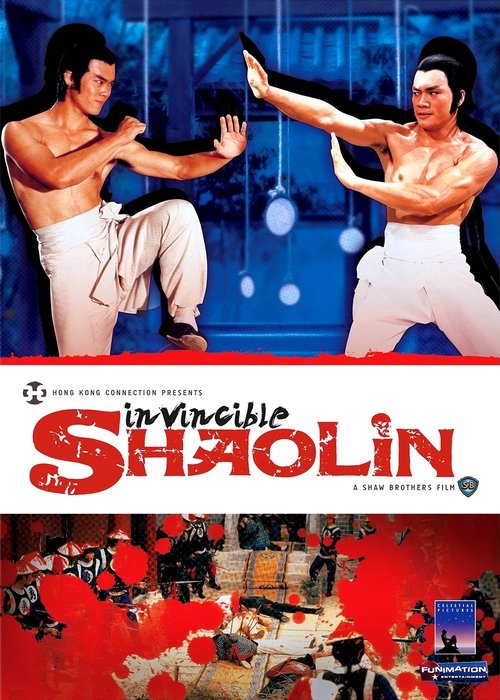
1978
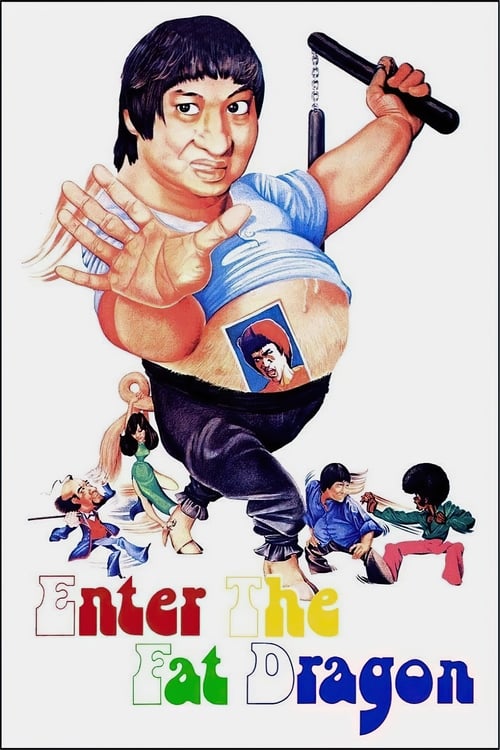
1978
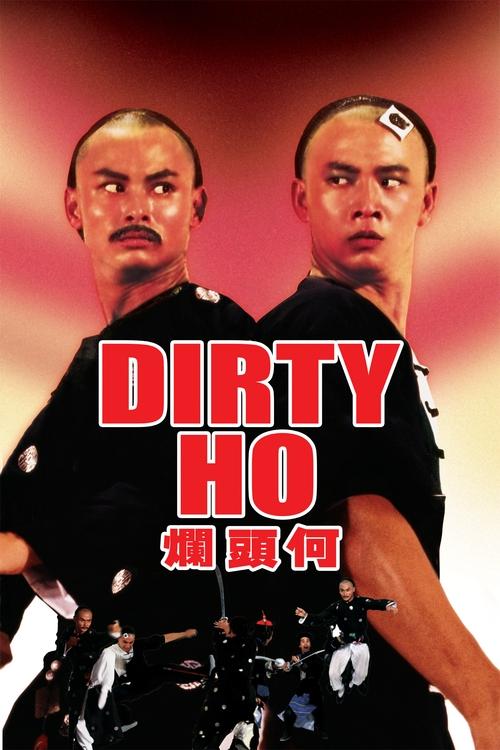
1979
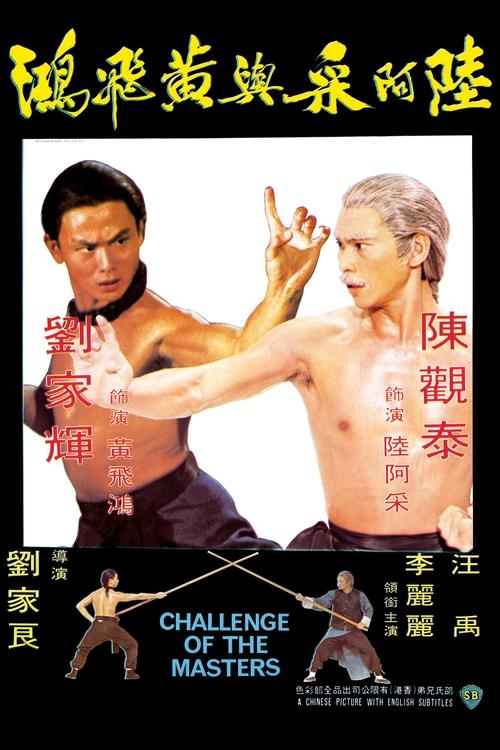
1976
No reviews yet. Be the first to share your thoughts on this movie!
Use the rating form above to leave a star rating and optional review.