
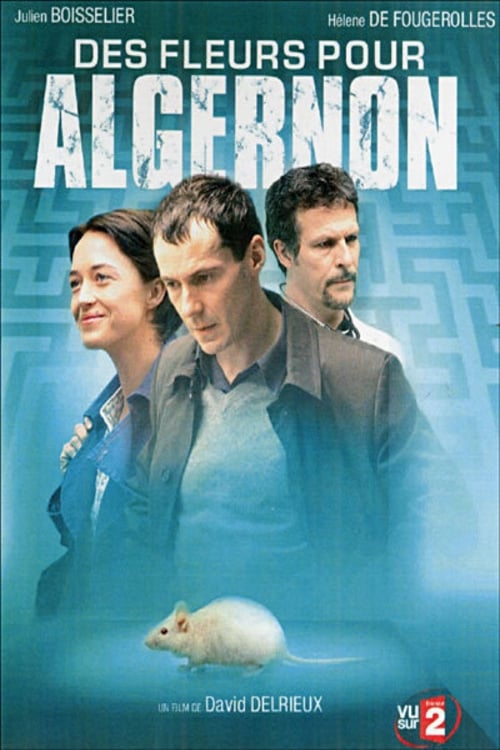
Flowers for Algernon
2014
No user ratings available yet
Representation score: 3.5 out of 10
Representation Score
Fair
2006
Director
David Delrieux
Runtime
95 minutes
Average Rating
No ratings yetNew Showbiz Analysis
Des fleurs pour Algernon succeeds as a character study that challenges traditional intellectual hierarchies. By centering a mentally disabled man, the film explores the heavy ethical costs of scientific advancement. However, the film's scope is narrow, lacking meaningful representation for LGBTQ+ communities and racial diversity. The narrative focuses heavily on the protagonist's psyche, limiting broader social exploration. Ultimately, the film's strength lies in its sophisticated treatment of disability and its critique of institutional authority, despite its limited inclusivity.
Category Breakdown
The film does not include any characters or stories related to LGBTQ+ identities or non-assuming gender matches what was assigned at birth identities.
The story focuses on Charles, a male protagonist, and his cognitive journey. It explores his intellectual ability to act but does not delve into broader gendered power dynamics.
The production features a predominantly European cast typical of French-language television. The narrative emphasizes internal cognitive states over racial or ethnic identity.
The film critiques institutional authority and the ethics of scientific progress. It explores the tension between systemic power and individual personhood through its central experiment.
The narrative provides a significant role in driving the story to a character with a mental disability, avoiding superficial clichés by focusing on the tragic psychological consequences of his cognitive transformation.
Present on Screen
Limited or Absent
Official Synopsis
After a successful experiment on Algernon, a mouse whose level of intelligence thanks to that procedure dramatically increased, the scientists decided to go further - the next "guinea pig" is Charles, a mentally disabled young man. The experiment is again successful. But what happens after it?
2014

1968

1997
1979
1988
1981

2000

1982
No reviews yet. Be the first to share your thoughts on this movie!
Use the rating form above to leave a star rating and optional review.