The Madness of Dr. Tube
1915
No user ratings available yet
Diversity score: 3.4 out of 10
1908
Director
Georges Méliès
Runtime
6 minutes
Average Rating
No ratings yetSynopsis
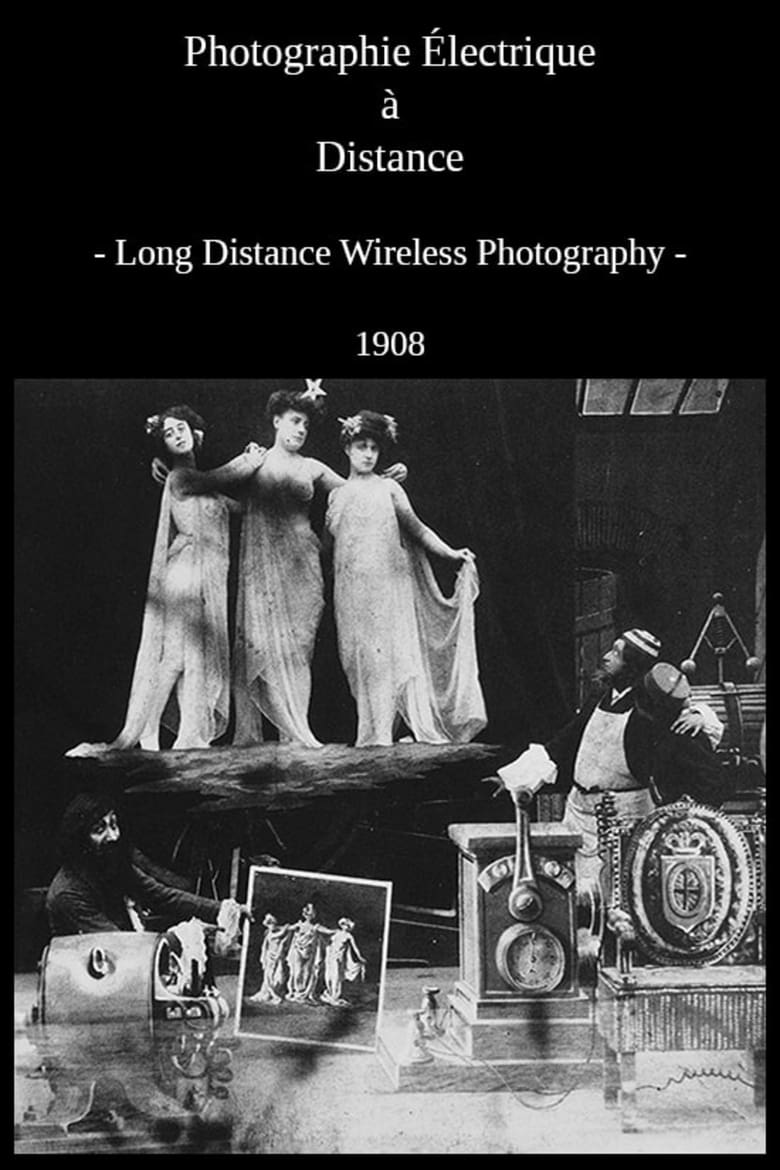
Into a photography studio full of large fantastic machines steps an elderly couple. The bearded proprietor explains the equipment and gives them a demonstration: he starts machines whirring, and projects a painting of three women onto a large screen; suddenly the women begin to move. The customers are impressed. First the women sits in the special seat: she's projected onto the screen, and her good nature comes out in the laughing image. Then it's the man's turn, but the machine discloses a vastly different nature in him. Will his reaction threaten our proprietor's inventions?
Overall Score
Limited
Category Breakdown
LGBTQ+ Representation
The film lacks explicit depictions of LGBTQ+ identities. The narrative centers on an elderly couple and a male proprietor, following early 20th-century social structures.
Gender Representation
Women are depicted through projected images of laughter and good nature. While the film subverts masculine stability by exposing a man's true nature, female agency remains limited.
Racial & Ethnic Diversity
The cast appears to reflect the homogeneous social norms of 1908. There is no evidence of a diverse or non-Anglo-Saxon cast within the studio setting.
Religious & Cultural Diversity
The story explores the era's fascination with technological progress and scientific magic. It introduces moral relativism by using machines to reveal the deceptive nature of appearances.
Disability Representation
There is no evidence of characters with visible or invisible disabilities being portrayed in this work.
Strengths
Areas for Improvement
AI Analysis
Méliès' short film serves more as a technical showcase for early cinematic trickery than a platform for intersectional representation. The narrative relies on the disruption of social expectations, specifically through the technological deconstruction of the male subject's persona. While the film lacks demographic breadth, it touches on the idea of challenging surface-level social performances. The focus remains on the fallibility of the individual rather than a diverse cast. Ultimately, the work is a product of its time, reflecting the limited social scope of 1908 cinema while experimenting with the psychological effects of new media.
1915
1905
1906
1921

1899

1903
1900
1903
1902
1897
1906
1900
No reviews yet. Be the first to share your thoughts on this movie!
Use the rating form above to leave a star rating and optional review.