A Crazy Composer
1905
No user ratings available yet
Representation score: 3.1 out of 10
Representation Score
Limited
1906
Not RatedDirector
Georges Méliès
Runtime
3 minutes
Average Rating
No ratings yetNew Showbiz Analysis
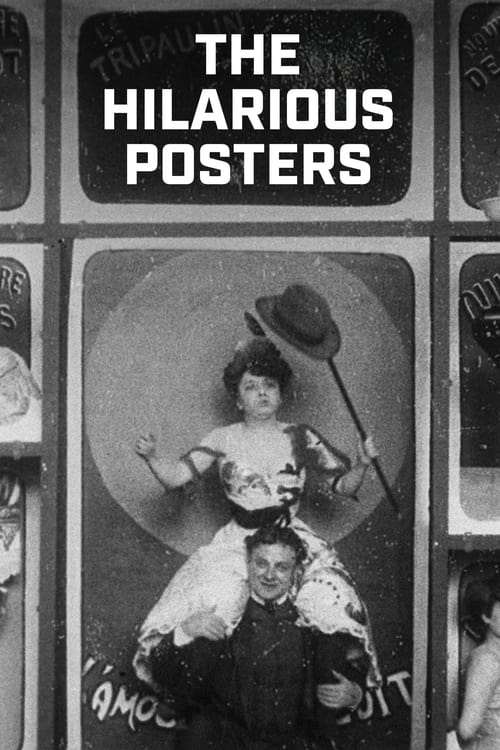
Méliès's work emphasizes the visual spectacle of magical realism rather than social identity. The film's energy comes from the kinetic disruption of advertising, where 2D figures transform into 3D actors to create whimsical chaos. From a modern perspective, the film adheres to the demographic hierarchies of 1906, centering on the marketplace and consumer culture, using products like porcelain and liqueur as the primary drivers of the fantasy narrative. Ultimately, the film's value lies in its technical subversion of the medium, prioritizing the boundary between advertisement and reality over the exploration of underrepresented identities or characters who reflect more than one aspect of diversity.
Category Breakdown
A brief romantic interaction occurs between a music hall performer and a corset model, following traditional romantic conventions of the time without delving into LGBTQ+ themes.
Women play key roles as music hall stars and corset models, gaining significant influence by stepping outside their commercial archetypes.
The cast reflects the homogeneous demographic typical of early French cinema. There is no evidence of non-white representation or the use of racial metaphors.
The film celebrates Belle Époque consumerism through various French products, reinforcing traditional social structures without offering cultural critiques.
The film lacks depictions of physical or neurodivergent disabilities, presenting characters as idealized commercial figures within advertisements.
Present on Screen
Limited or Absent
Official Synopsis
A wall full of advertising posters comes to life.
1905
1904
1909
1900
1901
1905
1903
1904
No reviews yet. Be the first to share your thoughts on this movie!
Use the rating form above to leave a star rating and optional review.