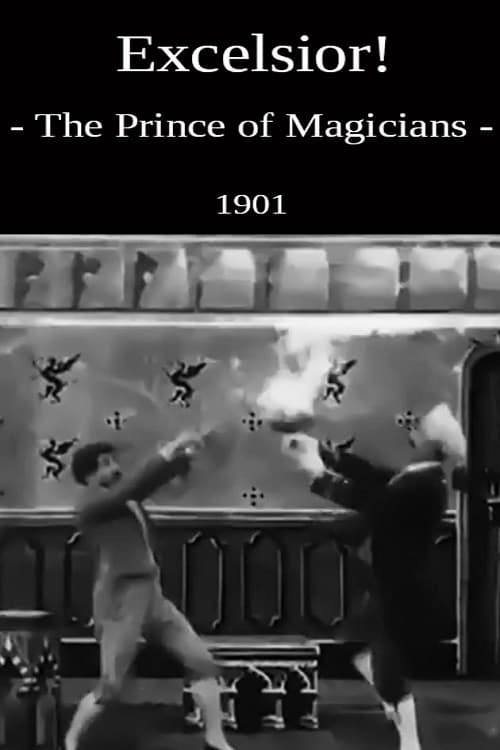
The Prince of Magicians
1901
No user ratings available yet
Diversity score: 2.5 out of 10

1902
Director
Georges Méliès
Runtime
2 minutes
Average Rating
No ratings yetSynopsis
“This is an absolutely new and extraordinary subject. A juggler takes in succession about a dozen eggs out of his servant's mouth. He breaks all the eggs into a hat, and after having beaten them up after the manner of a cook, he extracts an egg as large as the hat itself. As soon as he sets this egg on the table there appears a tiny dancing girl, full of life, as big as a baby's doll, and who performs on the table some beautiful stage dances. All of a sudden she increases to the size of a ordinary woman, and jumping on the floor she delights the audience with her turns. The juggler and the dancing girl disappear in the most extraordinary way.” (Méliès Catalog)
Overall Score
Minimal
Category Breakdown
LGBTQ+ Representation
The film lacks any evidence of queer identities or same-sex intimacy. It relies entirely on traditional performance tropes of the early 1900s.
Gender Representation
A male juggler acts as the primary agent of control, while the female dancer serves as a spectacle. Her ability to change size offers a brief subversion of physical limits.
Racial & Ethnic Diversity
The cast appears homogeneous, reflecting the typical casting of early European cinema. There is no documented evidence of non-white or non-Anglo-Saxon representation.
Religious & Cultural Diversity
The story functions as a pure exercise in cinematic illusion within a vaudeville framework. It avoids religious, political, or social critiques in favor of spectacle.
Disability Representation
The narrative contains no characters with visible or invisible disabilities.
Strengths
Areas for Improvement
AI Analysis
Méliès' work is a foundational study in cinematic illusionism rather than social commentary. The film prioritizes technical artifice and the mechanics of magic over character depth or diverse perspectives. The narrative structure reinforces period-specific gender roles, positioning the man as the manipulator and the woman as the object of observation. While the dancer's scale shifts provide a moment of surreal agency, she remains a performative spectacle. Ultimately, the film reflects the homogeneous casting and traditional social frameworks of early 20th-century European stage magic, lacking the intentionality required for modern diversity metrics.
1901
1906
1900
1909
1905
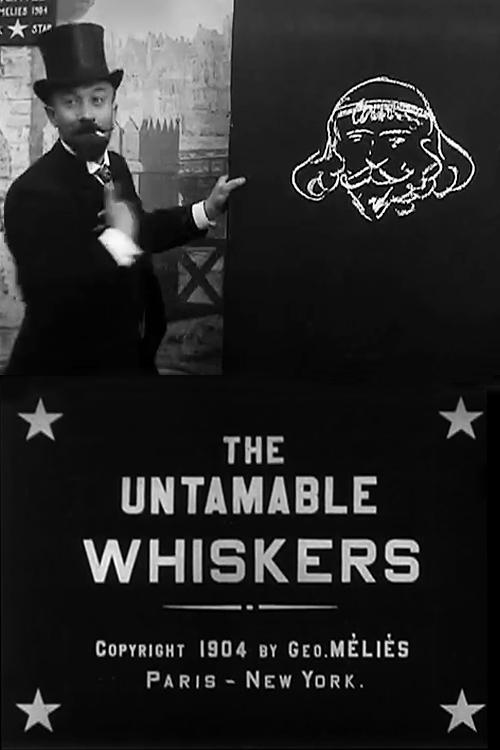
1904

1901
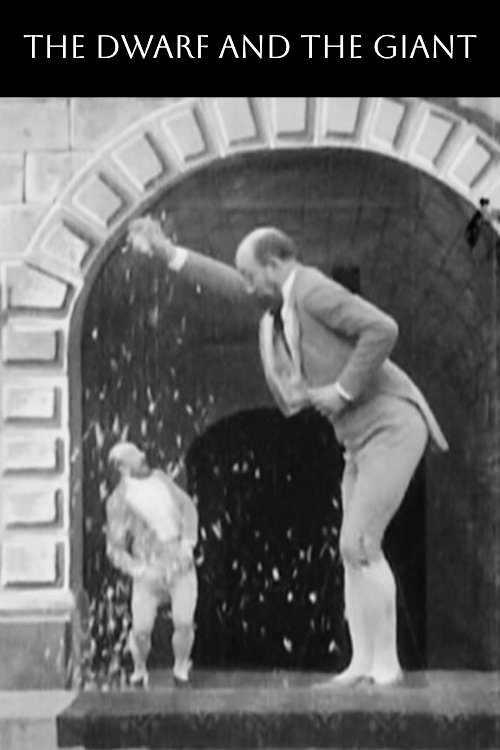
1901
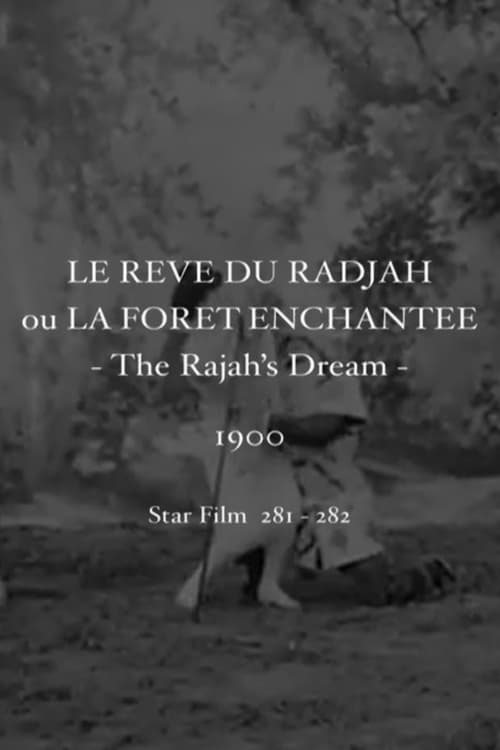
1900
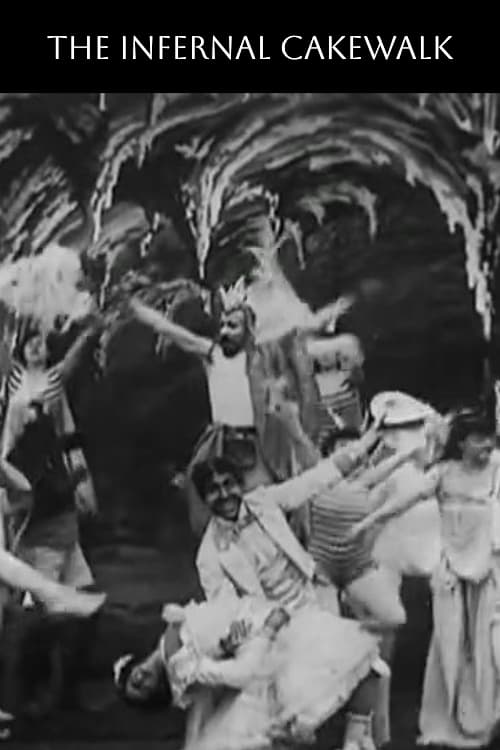
1903

1903
1926
No reviews yet. Be the first to share your thoughts on this movie!
Use the rating form above to leave a star rating and optional review.