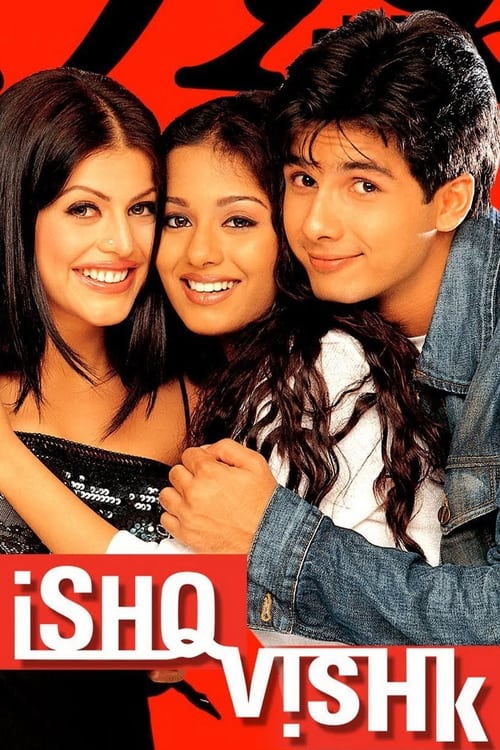
Ishq Vishk
2003
No user ratings available yet
Representation score: 1.3 out of 10
Representation Score
Fair
2003
Not RatedDirector
Milan Luthria
Runtime
135 minutes
Average Rating
No ratings yetNew Showbiz Analysis
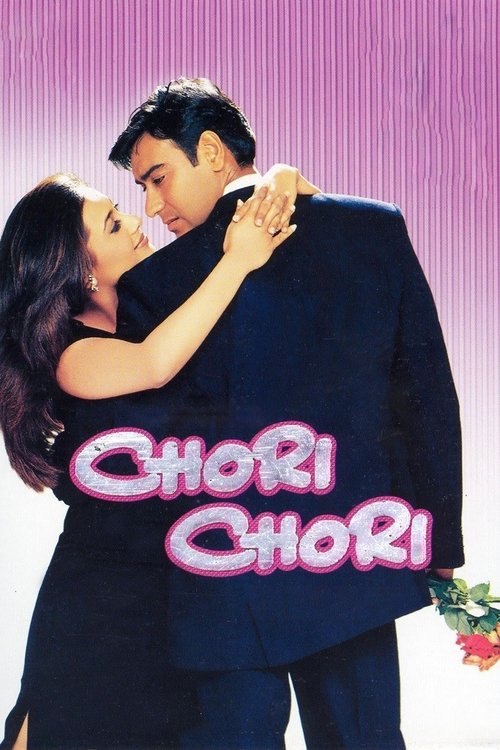
Chori Chori is a conventional romantic drama that prioritizes emotional resonance and traditional narrative structures. It functions primarily within the established social and gendered norms of early 2000s mainstream Indian cinema. The film offers a culturally authentic experience for its target demographic but lacks the intentionality to challenge systemic hierarchies. It focuses on the interpersonal conflict between Ranbir and Khushi rather than exploring multiple aspects of identity. Ultimately, the production adheres to genre conventions, favoring standard romantic paradigms over the deconstruction of social or cultural norms.
Category Breakdown
The film follows a strictly straight-centered framework. The romantic progression is centered entirely on the male and female leads, with no queer narratives present.
Khushi is depicted with a spirited personality, engaging in verbal sparring with Ranbir. However, the power dynamics ultimately align with conventional romantic clichés and traditional hierarchies.
The cast is predominantly South Asian, reflecting its cultural setting. While it maintains a cohesive environment, it does not engage in subverting ethnic roles.
The story operates within a conventional moral framework. It focuses on interpersonal melodrama rather than critiquing social institutions or exploring secular themes.
There are no prominent depictions of physical, sensory, or neurodivergent disabilities. Characters with disabilities do not serve as central drivers of the plot.
Present on Screen
Limited or Absent
Official Synopsis
Con artist Khushi pretends to be the wife of a stranger, Ranbir, who plays along to make his ex-girlfriend jealous and win her back. When Ranbir's family hears their only son has married, the con gets more complicated. A Hindi remake of Housesitter (1992).
2003
2004
2005

2003

2014
2011

2008

2007
No reviews yet. Be the first to share your thoughts on this movie!
Use the rating form above to leave a star rating and optional review.