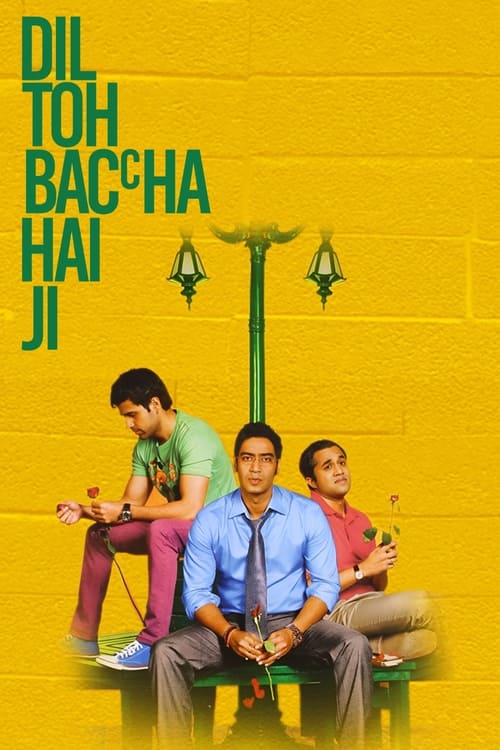
Dil Toh Baccha Hai Ji
2011
No user ratings available yet
Representation score: 6.8 out of 10

Representation Score
Limited
2008
Director
Abbas Tyrewala
Runtime
155 minutes
Average Rating
No ratings yetNew Showbiz Analysis
Jaane Tu... Ya Jaane Na is a character-driven romantic comedy that modernizes gender dynamics. By highlighting Aditi’s emotional ability to act, the film avoids traditional submissive female roles, offering a more balanced interpersonal dynamic. However, the film remains conventional in its social scope, focusing on middle-class urban norms while largely ignoring the complexities of caste, religion, and LGBTQ+ identities. This results in a polished but narrow social landscape. Ultimately, while the film successfully deconstructs certain masculine stereotypes, its lack of characters who reflect more than one aspect of diversity and engagement with disability confines it within the safe boundaries of mainstream romantic storytelling.
Category Breakdown
The film centers on a heterosexual relationship between two cisgender characters, without delving into LGBTQ+ identities or non-assuming gender matches what was assigned at birth experiences.
Aditi stands out as the more assertive and emotionally proactive character, challenging traditional gender roles. The film passes the Bechdel test through meaningful conversations between women.
The story focuses on a homogeneous urban, middle-class Indian setting, lacking diverse representations of caste, religion, or ethnic minorities.
The narrative emphasizes secular urban connections rather than religious mandates, staying within conventional social bounds without critiquing Western institutions or capitalism.
The film does not include any characters with visible or invisible disabilities, nor does it provide opportunities for neurodivergent or physically disabled individuals to take control.
Present on Screen
Limited or Absent
Official Synopsis
Two best friends being convinced that they are not in love search for each other's love.
2011

2008

2010
2009
2005

2012

2007
2011
No reviews yet. Be the first to share your thoughts on this movie!
Use the rating form above to leave a star rating and optional review.