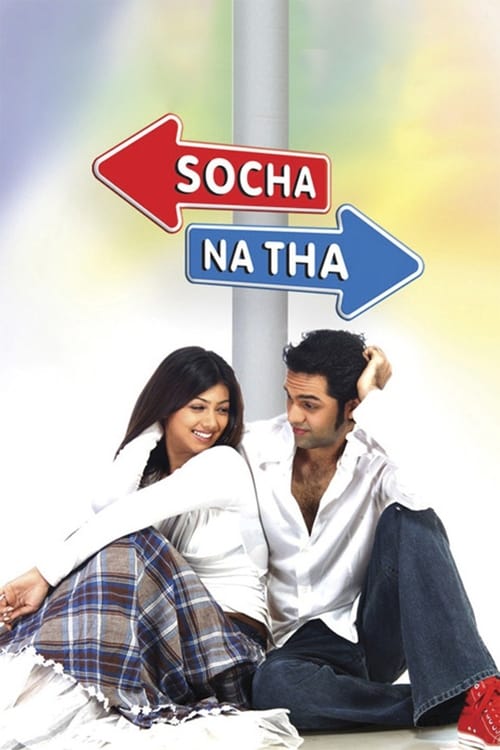
Socha Na Tha
2005
No user ratings available yet
Representation score: 5.4 out of 10

Representation Score
Good
2007
PG-13Director
Imtiaz Ali
Runtime
138 minutes
Average Rating
No ratings yetNew Showbiz Analysis
Jab We Met stands out for its subversion of traditional romantic storylines. By putting Geet’s assertive personality and independence at the forefront, the film gives female characters a strong sense of control and influence. The narrative effectively challenges the stereotype of the stoic male by showing the male lead as emotionally vulnerable and psychologically challenged. However, the film remains confined to a traditional heterosexual romance and a relatively homogeneous ethnic cast. While it delves into regional Indian cultures, it does not explore broader cross-cultural or LGBTQ+ themes. Ultimately, the film's strength lies in its critique of social norms and its emphasis on individual self-realization over societal expectations.
Category Breakdown
The film does not include any LGBTQ+ characters or explore non-straight relationships. The main romantic storyline focuses solely on a traditional heterosexual relationship.
Geet plays a significant role in driving the story by speaking up and making decisions. The film challenges the idea of a stoic male by showing the male lead as emotionally vulnerable and psychologically struggling.
The cast is primarily made up of actors from similar backgrounds, focusing on the regions of Punjab and Himachal Pradesh. It does not feature actors from diverse cultural backgrounds.
The story criticizes the strictness of arranged marriages and the expectations of high society. It portrays unconventional lifestyles as valid paths to personal fulfillment.
Aditya’s struggle with depression highlights male emotional fragility and serves as a key element in the film's romantic development.
Present on Screen
Limited or Absent
Official Synopsis
A depressed wealthy businessman and a spunky carefree young woman embark on an unexpected journey that changes their lives.
2005
2011
2014
2008
2012

2011
2008
2010
No reviews yet. Be the first to share your thoughts on this movie!
Use the rating form above to leave a star rating and optional review.