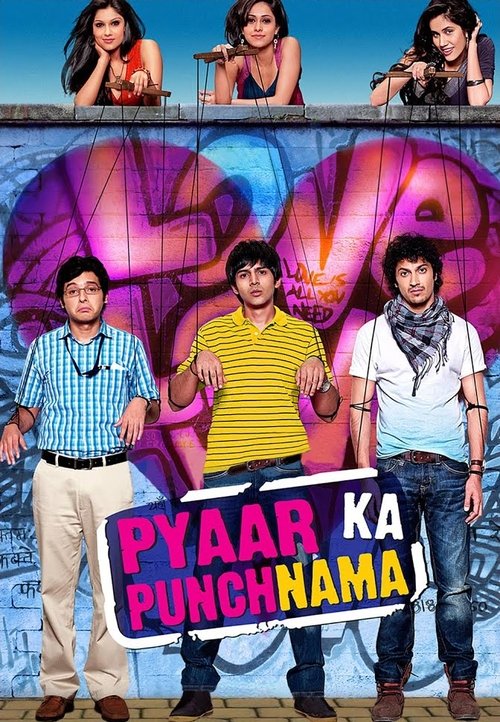
Pyaar Ka Punchnama
2011
No user ratings available yet
Representation score: 0.8 out of 10
Representation Score
Good
2011
Director
Madhur Bhandarkar
Runtime
146 minutes
Average Rating
No ratings yetNew Showbiz Analysis
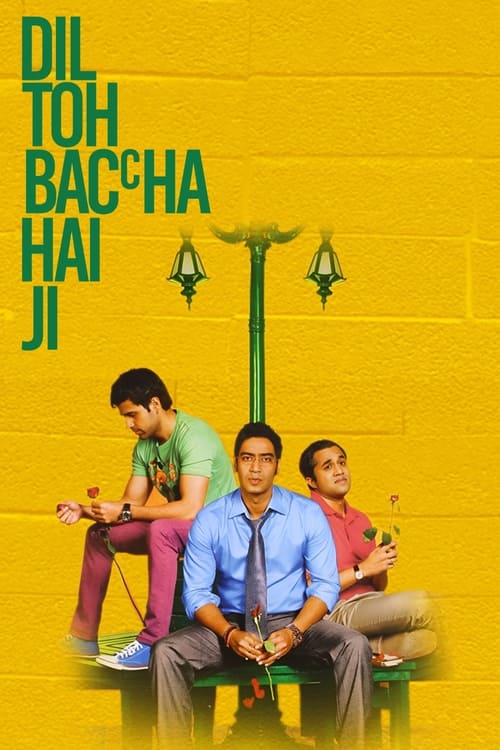
Dil Toh Baccha Hai Ji serves as a transitional narrative that moves away from rigid, traditionalist Bollywood structures. It finds its strength in deconstructing gender roles and embracing the complexities of urban individualism. However, the film remains limited by its narrow focus on heterosexual romance. The absence of LGBTQ+ themes and disability representation prevents a more inclusive score. Ultimately, the film succeeds as a nuanced character study of metropolitan life, even if it misses opportunities to engage with broader social identities.
Category Breakdown
The film focuses on heterosexual relationships and traditional companionship. It lacks explicit depictions of same-sex intimacy or non-binary gender identities.
The narrative challenges gender stereotypes by centering a female protagonist defined by professional success and intellectual independence. Characters engage in substantive dialogue, successfully passing the Bechdel test.
Set in Mumbai, the film depicts a multi-layered social fabric reflecting a diverse urban population. The casting captures the varied socioeconomic and ethnic textures of a modern metropolis.
The story prioritizes urban individualism and moral relativism over singular religious traditions. It also offers a subtle critique of consumerist materialism and capitalist superficiality.
There is no significant focus on visible or invisible disabilities. Characters are defined by socioeconomic status and romantic trajectories rather than physical or neurodivergent conditions.
Present on Screen
Limited or Absent
Official Synopsis
Three roommates are in search of true love. They each find a girl with whom they fall head over heels in love with. Now they just have to get the women to reciprocate.
2011

2008
2008

2012

2010
2014
2003

2011
No reviews yet. Be the first to share your thoughts on this movie!
Use the rating form above to leave a star rating and optional review.