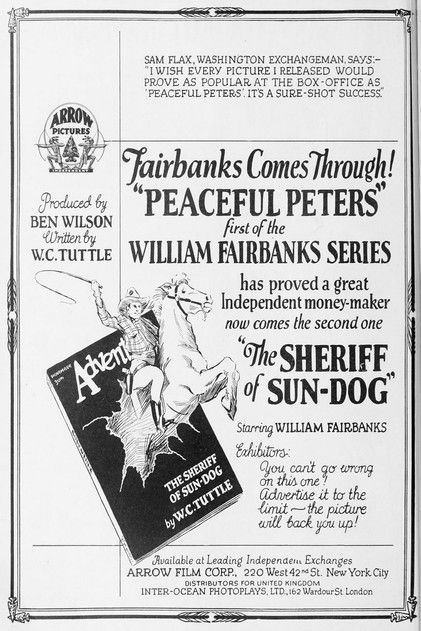
Sheriff of Sun Dog
1922
No user ratings available yet
Representation score: 1.4 out of 10
Representation Score
Minimal
1948
GDirector
Lew Landers
Runtime
71 minutes
Average Rating
No ratings yetNew Showbiz Analysis
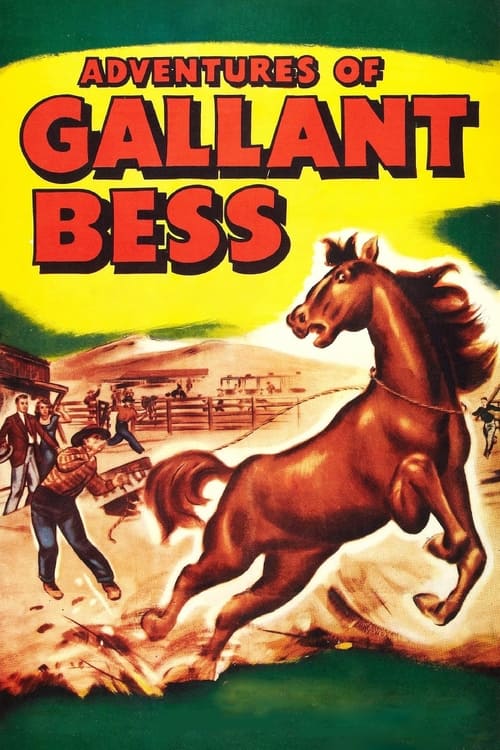
Adventures of Gallant Bess is a quintessential product of 1948 studio filmmaking, prioritizing genre clichés over social complexity. The narrative structure relies heavily on established hierarchies, centering on a male protagonist whose actions are defined by physical mastery and conflict resolution. Representation is limited by the era's standards. Gender roles are strictly divided between active masculinity and domestic femininity, while the protagonist's injury functions as a temporary obstacle rather than a meaningful exploration of disability. Ultimately, the film reinforces the mid-century status quo. It offers a conventional Western experience that lacks depth in reflecting multiple aspects of diversity and fails to challenge mid-century social hierarchies.
Category Breakdown
The film does not include any characters with non-straight sexual orientations or gender identities. The romantic relationship is between the male lead and the doctor's daughter, following a traditional courtship model.
Gender roles in the film follow mid-20th century conventions. The male protagonist drives the action through physical labor, while the female character is restricted to a supportive, caregiving role.
The narrative adheres to standard Western clichés of the time. It lacks a diverse cast or underrepresented groups playing significant roles in the story.
The story emphasizes traditional Western values such as individual work and property ownership. It reinforces established social orders rather than challenging them.
A physical injury serves mainly as a plot device to advance the romance. The narrative does not delve into the condition with depth or give the disabled character significant influence.
Present on Screen
Limited or Absent
Official Synopsis
Ted Daniels, a ranch hand working for a rodeo, captures a magnificent wild horse that he tames and trains. As Ted is recovering from an accident that happened during a rodeo, the rodeo owner cheats him out of his horse. Ted must decide whether to pursue him and try to recover the horse, or whether to settle down with the doctor's daughter who is nursing him back to health. Written by Snow Leopard
1922
1947
1955
1940
1958
1979
1952

1920
No reviews yet. Be the first to share your thoughts on this movie!
Use the rating form above to leave a star rating and optional review.