Saratoga Trunk
1945
No user ratings available yet
Representation score: 0.9 out of 10
Representation Score
Minimal
1940
NRDirector
Raoul Walsh
Runtime
94 minutes
Average Rating
No ratings yetNew Showbiz Analysis
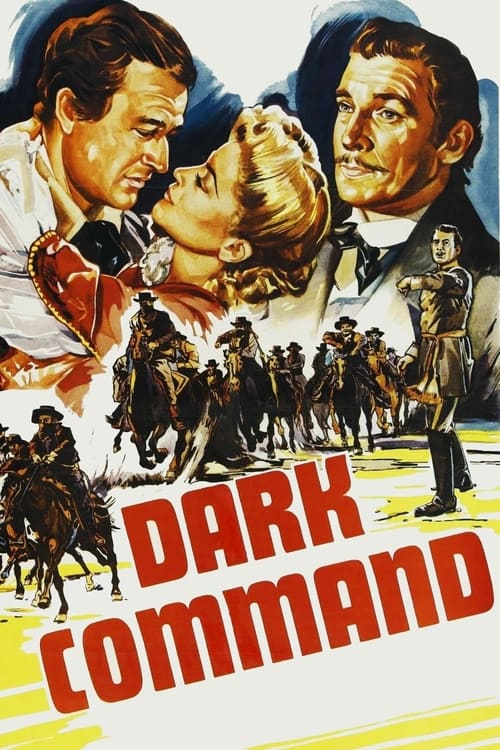
Dark Command is a quintessential product of 1940s Hollywood, utilizing a narrative structure that prioritizes traditional Western archetypes. The storytelling relies on conventional gender roles and a homogeneous demographic, functioning as a reinforcement of the era's dominant cultural norms. The film's architecture is built upon clear-cut moral distinctions, such as law versus lawlessness. This binary approach leaves little room for the nuanced, multi-layered character development found in modern cinema.
Category Breakdown
The film adheres to strict conventions that assume everyone is straight or cisgender. The romantic subplot between Bob Seton and Mary McCloud serves as a traditional catalyst for the protagonist's community involvement.
Narrative ability to act is concentrated almost exclusively in male characters through combat and politics. Female characters occupy supportive roles that establish the protagonist's stakes rather than driving the plot.
The production relies on a homogeneous white cast. While the plot involves a slave-free territory, the focus remains on the physical struggle of white protagonists.
The story emphasizes patriotism and wartime loyalty. It reinforces traditional Western morality and the necessity of law enforcement to maintain frontier stability.
There is no discernible focus on visible or invisible disabilities. Characters are defined primarily by their capacity for physical combat and survival.
Present on Screen
Limited or Absent
Official Synopsis
When transplanted Texan Bob Seton arrives in Lawrence, Kansas he finds much to like about the place, especially Mary McCloud, daughter of the local banker. Politics is in the air however. It's just prior to the civil war and there is already a sharp division in the Territory as to whether it will remain slave-free. When he gets the opportunity to run for marshal, Seton finds himself running against the respected local schoolteacher, William Cantrell. Not is what it seems however. While acting as the upstanding citizen in public, Cantrell is dangerously ambitious and is prepared to do anything to make his mark, and his fortune, on the Territory. When he loses the race for marshal, he forms a group of raiders who run guns into the territory and rob and terrorize settlers throughout the territory. Eventually donning Confederate uniforms, it is left to Seton and the good citizens of Lawrence to face Cantrell and his raiders in one final clash.
1945
1940

1955

1939
1941
1930
1957
1980
No reviews yet. Be the first to share your thoughts on this movie!
Use the rating form above to leave a star rating and optional review.