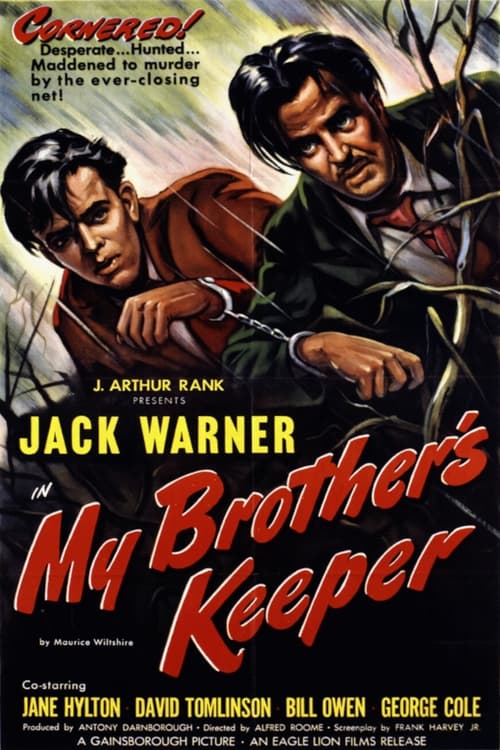
My Brother's Keeper
1948
No user ratings available yet
Representation score: 1.0 out of 10
Representation Score
Minimal
1951
NRDirector
Max Nosseck
Runtime
61 minutes
Average Rating
No ratings yetNew Showbiz Analysis
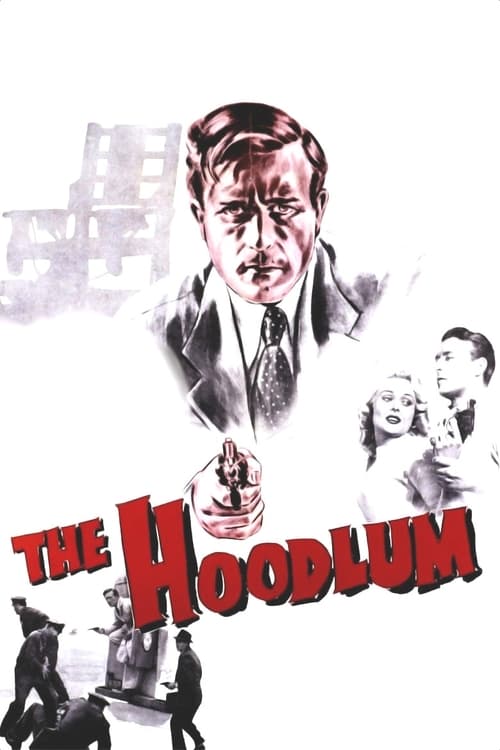
The Hoodlum is a quintessential mid-century crime noir that prioritizes traditional social hierarchies and conventional morality. The narrative structure centers on a singular, male-driven arc of criminality and redemption, offering little room for multi-layered complexity. Because the film upholds 1951 social expectations, it lacks engagement with queer themes, racial diversity, or disability representation. The storytelling relies on established formulas that reinforce the status quo rather than challenging it. Ultimately, the film serves as a period-typical drama where characters exist to support a standard moral framework of social integration and legal authority.
Category Breakdown
The film strictly follows the assumption that everyone is straight or cisgender. There are no characters with non-traditional gender identities or same-sex relationships.
Female characters mainly serve as domestic anchors or romantic interests. The story lacks women's ability to drive the plot, focusing instead on male-centric struggles and traditional hierarchies.
The cast appears homogeneous, reflecting the standard, non-diverse urban landscapes of post-war crime dramas. No characters of color play significant roles in the plot.
The narrative emphasizes Western moralities and social order. It functions as a cautionary tale stressing the importance of conforming to established societal norms.
There are no characters with visible or invisible disabilities. Physical impairments and neurodivergence are not used as narrative devices.
Present on Screen
Limited or Absent
Official Synopsis
Vincent Lubeck is a vicious ex-convict. His criminal activities are despised by his family, but he uses and abuses them in the course of his crimes. Eventually his own brother must stand up to him.
1948

1960
1935
1947
1959
1949

1947
1950
No reviews yet. Be the first to share your thoughts on this movie!
Use the rating form above to leave a star rating and optional review.