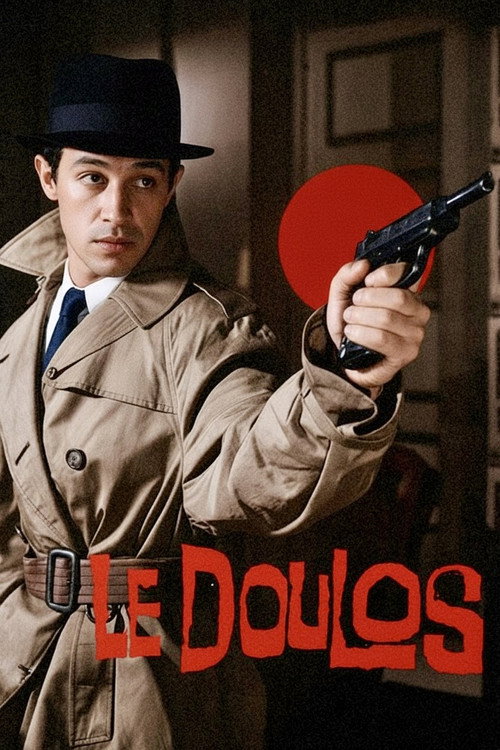
Le Doulos
1962
No user ratings available yet
Representation score: 3.3 out of 10

Representation Score
Limited
1960
NRDirector
François Truffaut
Runtime
85 minutes
Average Rating
No ratings yetNew Showbiz Analysis
Truffaut’s work serves as a stylistic rebellion against classical cinema, emphasizing psychological complexity over rigid social hierarchies. The film's strength lies in its narrative structure and its refusal to follow traditional moral or heroic arcs. However, the film remains a product of its historical context, offering limited demographic or identity-based inclusion. The cast and setting are largely insular, reflecting a specific mid-century Parisian milieu. Ultimately, the film's progressive nature is found in its subversion of moral certainty rather than in diverse representation. It replaces the 'righteous' social order with a fatalistic, morally ambiguous journey.
Category Breakdown
The film does not include any LGBTQ+ characters or relationships that challenge the assumption that everyone is straight or cisgender. Romantic tensions center around the protagonist's relationships with women.
Female characters such as Lena and Christine play significant roles in driving the plot. They avoid traditional domestic roles and are portrayed as complex, volatile figures central to the protagonist's crisis.
The cast is predominantly white, reflecting the demographics of mid-century Paris. The setting remains an insular jazz underworld without much racial diversity.
The narrative effectively portrays moral relativism and situational ethics. It challenges traditional social orders by presenting criminal and anti-social behaviors through existential necessity.
The film does not depict any prominent physical or neurodivergent disabilities. It explores psychological melancholy as a universal condition rather than a specific disability narrative.
Present on Screen
Limited or Absent
Official Synopsis
Charlie is a former classical pianist who has changed his name and now plays jazz in a grimy Paris bar. When Charlie's brothers, Richard and Chico, surface and ask for Charlie's help while on the run from gangsters they have scammed, he aids their escape. Soon Charlie and Lena, a waitress at the same bar, face trouble when the gangsters arrive, looking for his brothers.
1962

1956
1977
1950

1960
1949
1960
1980
No reviews yet. Be the first to share your thoughts on this movie!
Use the rating form above to leave a star rating and optional review.