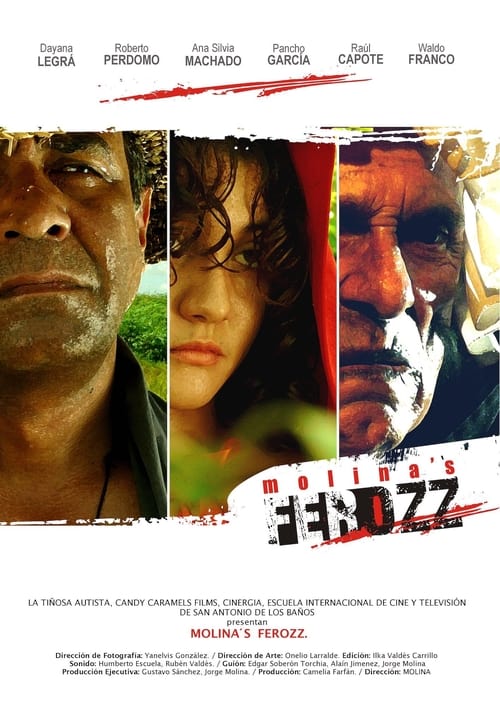
Ferozz: The Wild Red Riding Hood
2010
No user ratings available yet
Representation score: 3.5 out of 10
Representation Score
Fair
2012
Director
Naoyuki Tomomatsu
Runtime
76 minutes
Average Rating
No ratings yetNew Showbiz Analysis
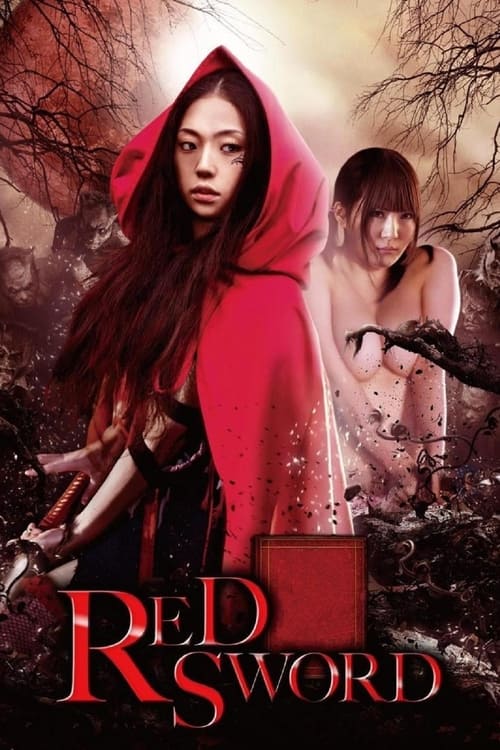
Red Sword uses gender subversion as its main narrative engine. By focusing on a female warrior fighting against male antagonists, the film challenges traditional power structures and emphasizes female autonomy. However, the work lacks broader diversity, focusing mainly on the central protagonist's combat and the genre's specific clichés. While the film successfully repositions gendered ability to act, it adheres to the demographic norms of its specific cinematic tradition without exploring wider social or cultural complexities.
Category Breakdown
The story focuses on a female protagonist and male antagonists. There are no LGBTQ+ characters or non-straight relationships in the film.
Beniko challenges traditional gender roles by being a skilled sword-fighter. Her combat abilities shift the power dynamic away from male-dominated leadership.
As a Japanese production in the pinku eiga tradition, the cast appears largely homogeneous. There is no specific information about ethnic diversity among the supporting cast.
The film deconstructs a Western fairy tale through a fantasy and horror lens. It avoids didactic morality but lacks explicit anti-institutional themes.
The provided context contains no mention of characters with visible or invisible disabilities.
Present on Screen
Limited or Absent
Official Synopsis
Sexy sword-fighter Beniko battles a pack of lecherous wolf-men in this "pinku eiga" version of the Little Red Riding Hood fairy tale.
2010
1968
2004
2000
1983
1984
1991
2009
No reviews yet. Be the first to share your thoughts on this movie!
Use the rating form above to leave a star rating and optional review.