The Tomb
1986
No user ratings available yet
Diversity score: 2.8 out of 10
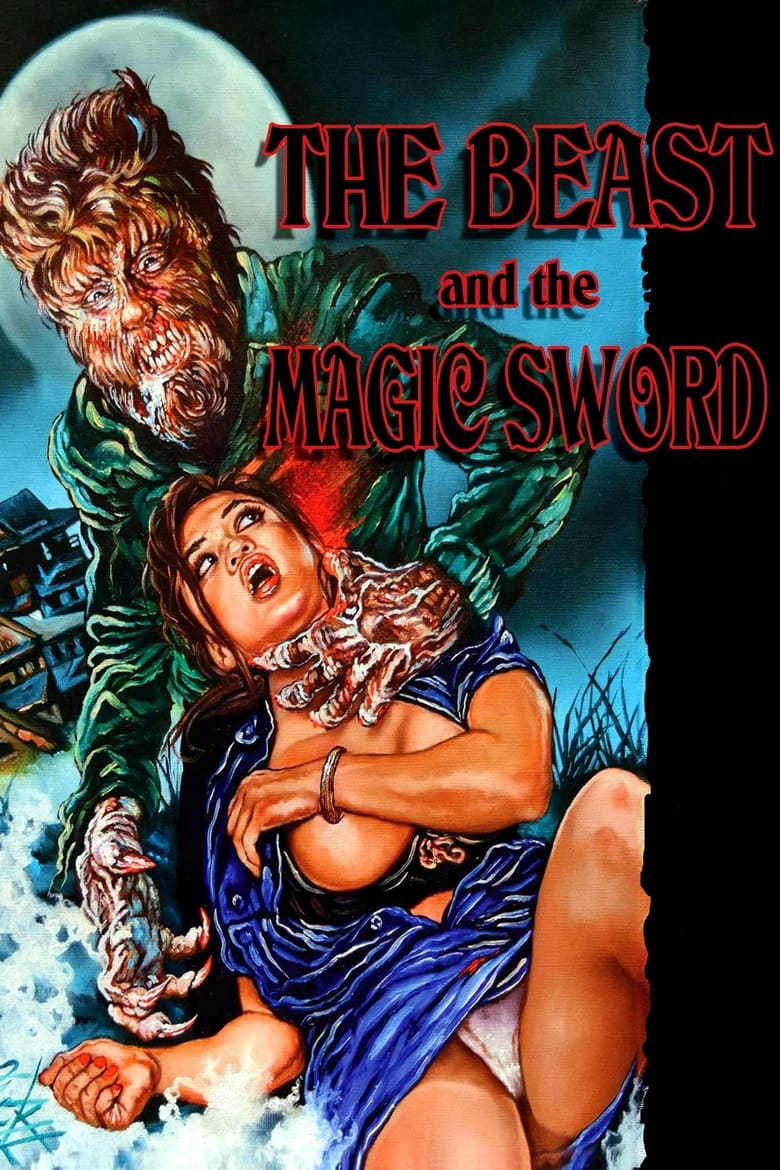
1983
Not RatedDirector
Paul Naschy
Runtime
115 minutes
Average Rating
No ratings yetSynopsis
His bloodline damned by a witch, Waldemar Daninsky heads to Japan to seek a cure for his werewolf curse.
Overall Score
Limited
Category Breakdown
LGBTQ+ Representation
The film follows a traditional quest centered on a male protagonist's struggle with a curse. It lacks non-cisnormative identities or narratives that critique heteronormativity.
Gender Representation
Women appear primarily as archetypes, serving as catalysts for the hero or figures needing rescue. There is little evidence of female agency that disrupts masculine leadership.
Racial & Ethnic Diversity
The story moves from Europe to Japan, utilizing a traveler trope. Representation leans toward an exoticized view rather than a nuanced exploration of Japanese identity.
Religious & Cultural Diversity
The narrative operates within a mythic framework of destiny and supernatural law. It does not prioritize secularism or offer critiques of Western institutions.
Disability Representation
Lycanthropy serves as a monster trope rather than a nuanced look at disability. The condition drives horror elements instead of exploring lived experiences of affliction.
Strengths
Areas for Improvement
AI Analysis
The film is a standard 1980s European horror piece that prioritizes mythic tropes over identity politics. It relies on established genre archetypes, such as the cursed hero and the exoticized foreign setting, to drive its narrative. While the plot moves between cultures, it lacks the depth required to subvert social hierarchies or provide meaningful representation. The characters largely fulfill traditional roles within a dark fantasy framework, focusing on individual struggle rather than systemic or intersectional themes.
1986

1983

2009
2015

2012
2012

1974
2002

2017
1979

2010
1962
No reviews yet. Be the first to share your thoughts on this movie!
Use the rating form above to leave a star rating and optional review.