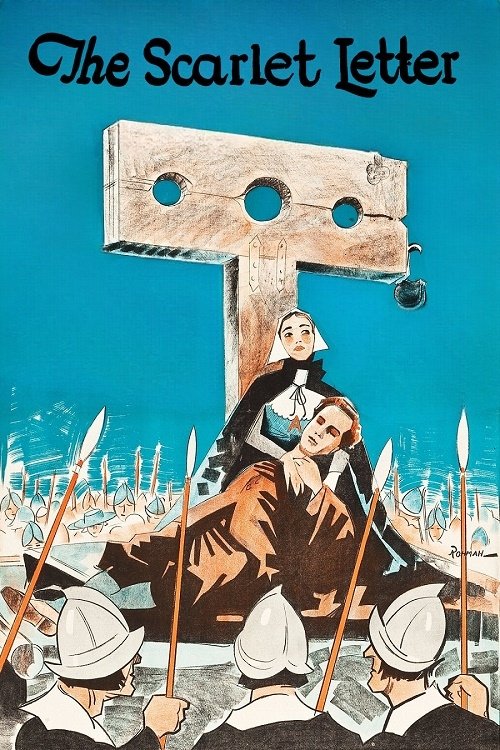
The Scarlet Letter
1927
No user ratings available yet
Diversity score: 4.1 out of 10
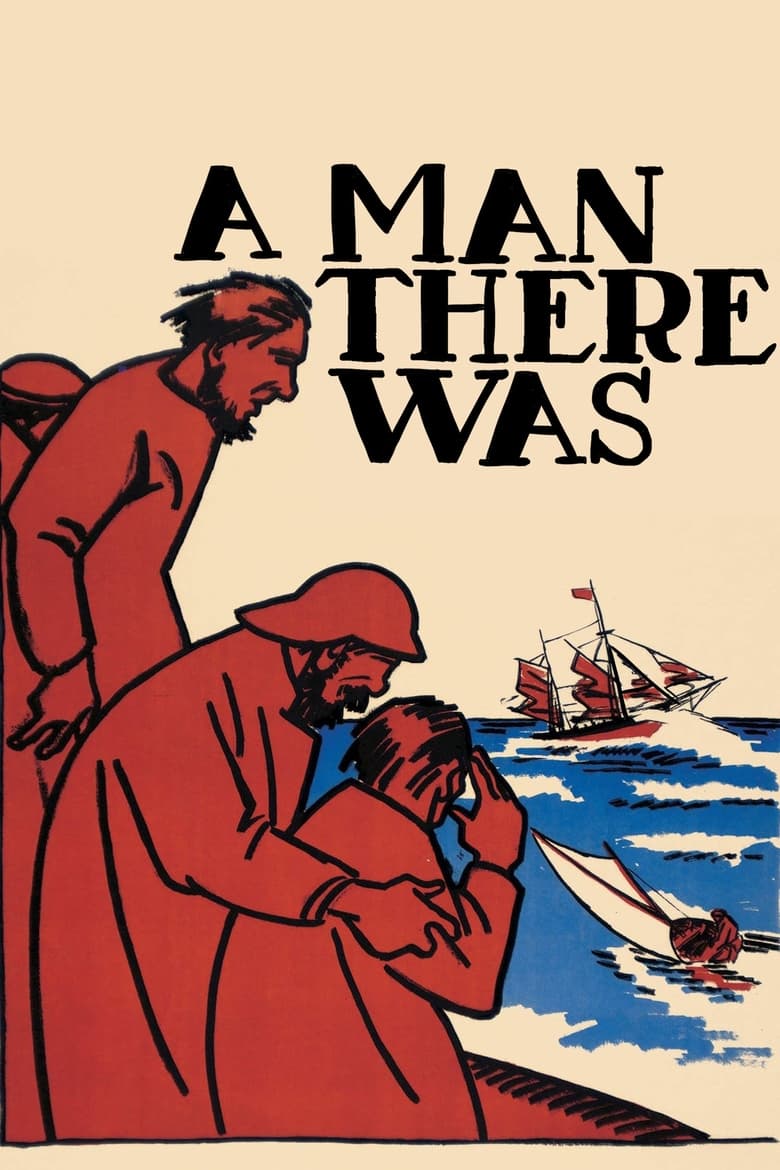
1917
Not RatedDirector
Victor Sjöström
Runtime
56 minutes
Average Rating
No ratings yetSynopsis
Terje Vigen, a sailor, suffers the loss of his family through the inflexibility of another man. Years later, when his enemy's family finds itself dependent on his benevolence, Terje must decide whether to avenge himself.
Overall Score
Limited
Category Breakdown
LGBTQ+ Representation
The film contains no depictions of non-heteronormative identities or queer narratives. Character dynamics focus entirely on traditional familial bonds and the protagonist's personal tragedy.
Gender Representation
Agency is concentrated in the male protagonist, whose struggle with vengeance drives the plot. Female characters function primarily as domestic figures or emotional catalysts rather than independent agents.
Racial & Ethnic Diversity
The cast is highly homogeneous, reflecting a focus on Swedish national identity and rural landscapes. There is no evidence of intersectional casting or non-Anglo-Saxon identities.
Religious & Cultural Diversity
The narrative reinforces traditional Western moral structures regarding providence and retribution. It explores personal conscience within a traditional social order without critiquing religious or social institutions.
Disability Representation
There are no prominent depictions of physical or neurodivergent disabilities used as central narrative drivers or character traits.
Strengths
Areas for Improvement
AI Analysis
A Man There Was is a foundational piece of Swedish national romanticism that prioritizes classical themes of fate and morality. The film functions as a historical artifact of its era, adhering strictly to early 20th-century social and cultural hierarchies. The narrative is built around a singular, culturally specific exploration of vengeance within a homogeneous social framework. It lacks the intentionality required for modern intersectional representation, focusing instead on the protagonist's individual moral struggle. Ultimately, the film serves to uphold rather than disrupt the established social and moral orders of its time.
1927
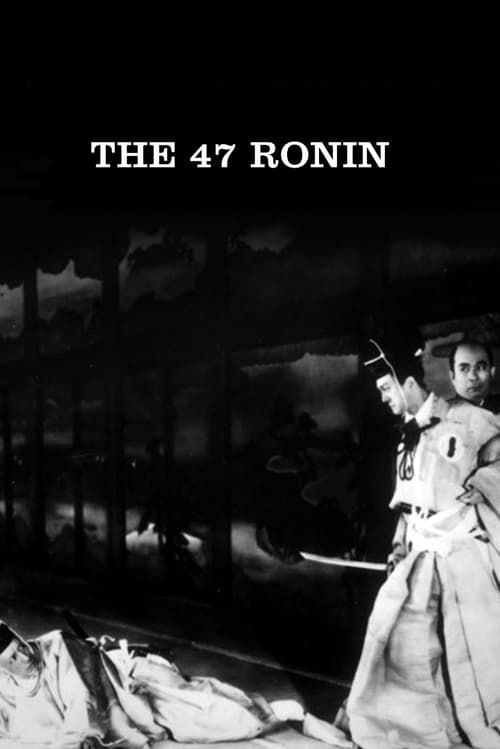
1941
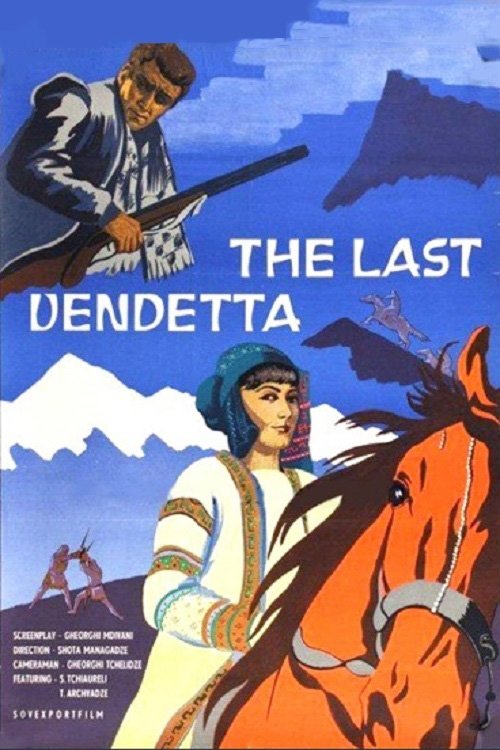
1966
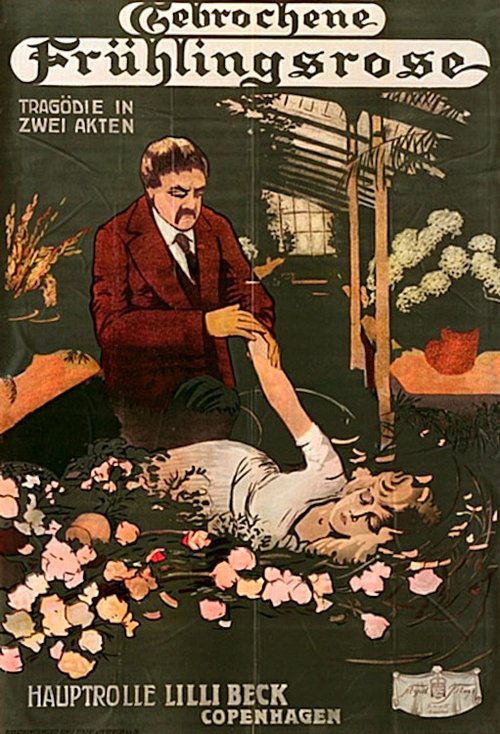
1912
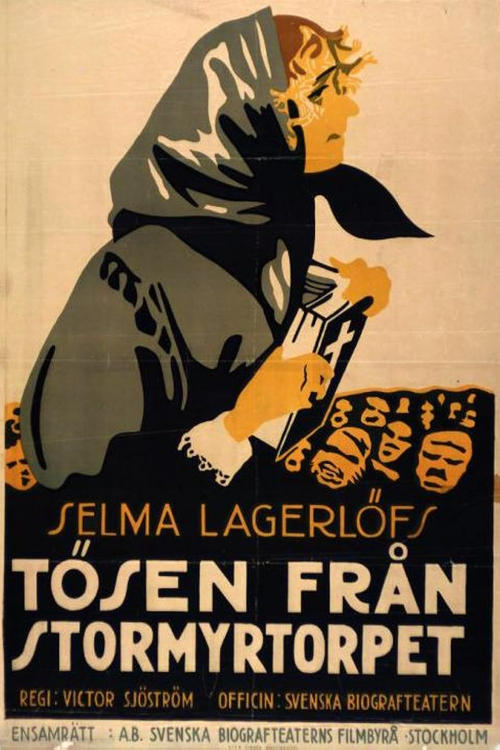
1917
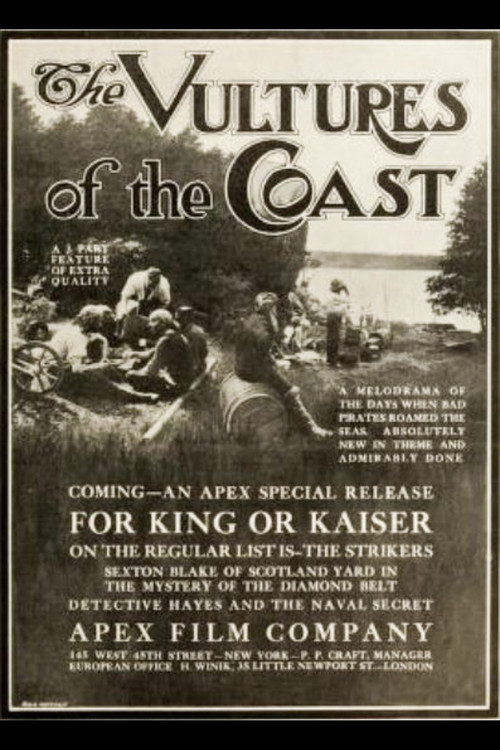
1916
No reviews yet. Be the first to share your thoughts on this movie!
Use the rating form above to leave a star rating and optional review.