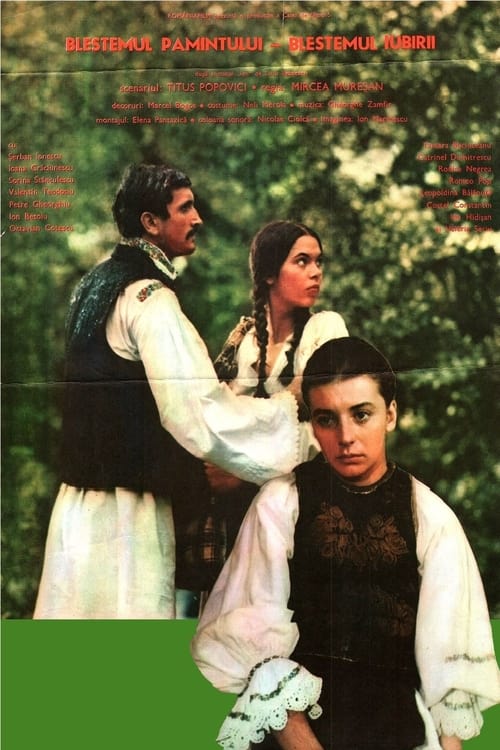
Ion: The Lust for the Land, the Lust for Love
1980
No user ratings available yet
Representation score: 2.6 out of 10
Representation Score
Limited
1966
Director
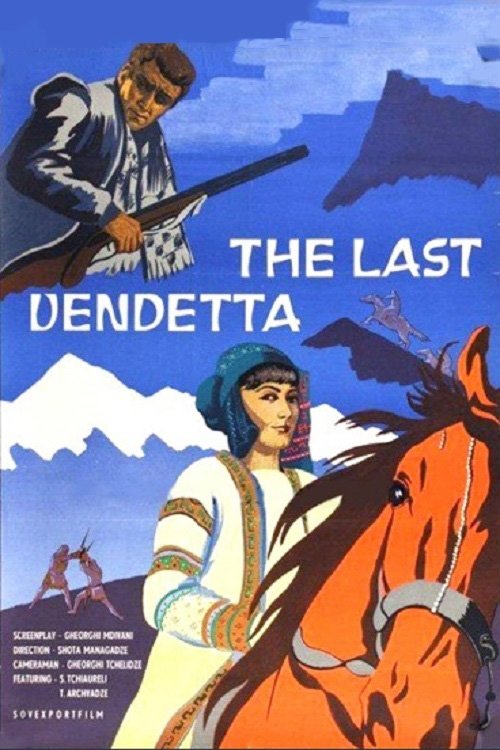
Shota Managadze
Runtime
89 minutes
Average Rating
No ratings yetNew Showbiz Analysis
The Ballad of Khevsureti is a historical drama that emphasizes regional folklore and traditional social structures. It excels in offering a rich, specific portrayal of the ethnic identity of the Georgian highlands. However, the film heavily relies on conventional gender roles and honor-based conflicts, reinforcing patriarchal structures and traditional social codes without challenging them. Ultimately, the work serves as a piece of cultural preservation that prioritizes historical realism over contemporary social critique.
Category Breakdown
The film focuses on a traditional love triangle involving three characters: Imeda, Mzekala, and Torghva. There are no indications of queer subtext or non-straight identities in the story.
The storyline follows a typical masculine path characterized by sword fighting and blood revenge. Although Mzekala is central to the romance, she primarily serves as a catalyst rather than the main driver of the plot.
The film provides a detailed look at the Khevsureti region, highlighting its unique ethnic identity through the lens of Georgian highland culture and local customs.
The narrative is deeply rooted in traditional values and ancestral honor, emphasizing the importance of customary laws and communal justice systems without questioning them.
There are no visible or implied representations of characters with disabilities in the film.
Present on Screen
Limited or Absent
Official Synopsis
When Imeda’s father is killed in a blood revenge accident, the family moves him to the city where he is sheltered at his father’s friend. After fifteen year he gets back to Khevsureti. A talented painter, he spends most of his time doing sketches of nature and people. There he meets a local beauty, Mzekala and fells in love with her but finds out that Torghva is also in love with her. Enraged by Imeda’s impudence Torghva calls him for a sword fight and is killed by Imeda. To avoid another round of blood revenge, the villagers let Imeda and Mzekala out of the village but someone who wants Imeda’s blood finds it out and follows them.
1980
1960
1969

1967
1966
1990
1959
2015
No reviews yet. Be the first to share your thoughts on this movie!
Use the rating form above to leave a star rating and optional review.