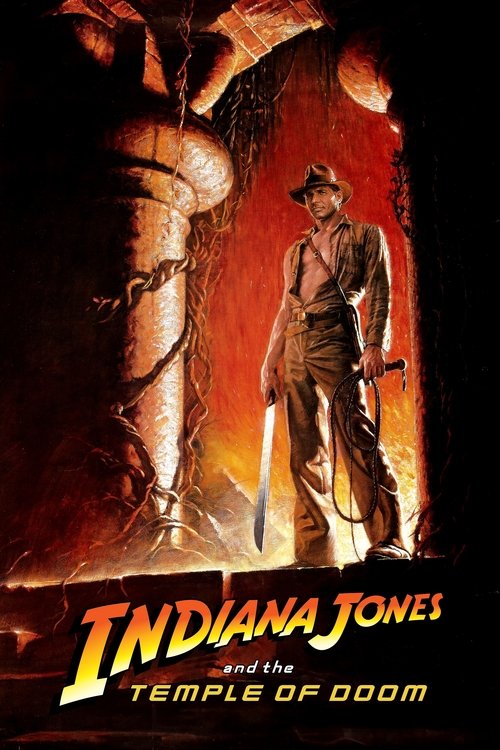
Indiana Jones and the Temple of Doom
1984
No user ratings available yet
Representation score: 2.0 out of 10
Representation Score
Fair
2008
PG-13Director
Steven Spielberg
Runtime
122 minutes
Average Rating
No ratings yetNew Showbiz Analysis
The film follows traditional adventure genres and Cold War geopolitical themes. While it successfully challenges some gender stereotypes through Marion Ravenwood's strong character, the narrative remains centered on Western structures. Diversity is limited by focusing on Western characters navigating foreign settings. The film does not engage with multi-layered identity politics or systemic critiques of power, instead favoring a clear distinction between heroic Western explorers and villainous Soviet opponents.
Category Breakdown
The film follows traditional structures that assume everyone is straight or cisgender. There are no representations of same-sex relationships or non-cisgender identities.
Marion Ravenwood challenges traditional gender roles. She has significant influence, combat skills, and equal intelligence compared to the main character.
The South American setting and themes related to indigenous cultures provide a wider perspective. However, the story focuses mainly on Western characters and their expedition.
The story presents conflicts through Cold War binaries and Western values. It avoids moral relativism, showing a clear distinction between heroes and villains.
Characters are shown as having peak physical abilities. There is no meaningful portrayal of physical or neurological disabilities.
Present on Screen
Limited or Absent
Official Synopsis
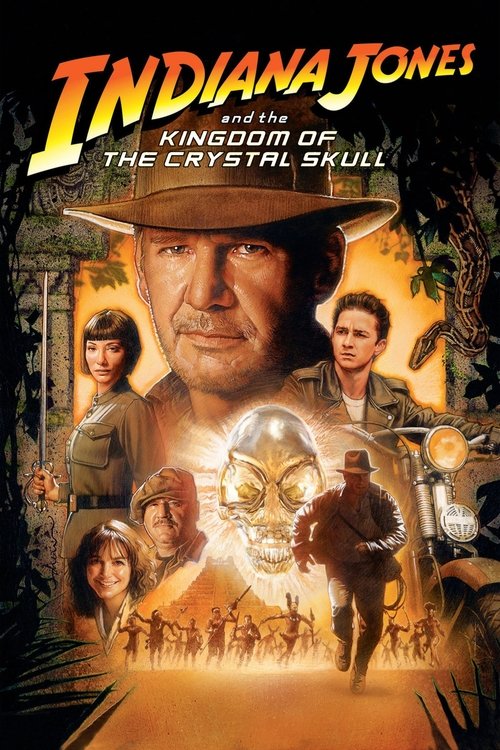
Set during the Cold War, the Soviets—led by sword-wielding Irina Spalko—are in search of a crystal skull which has supernatural powers related to a mystical Lost City of Gold. Indy is coerced to head to Peru at the behest of a young man whose friend—and Indy's colleague—Professor Oxley has been captured for his knowledge of the skull's whereabouts.
1984

1939
1989
1968
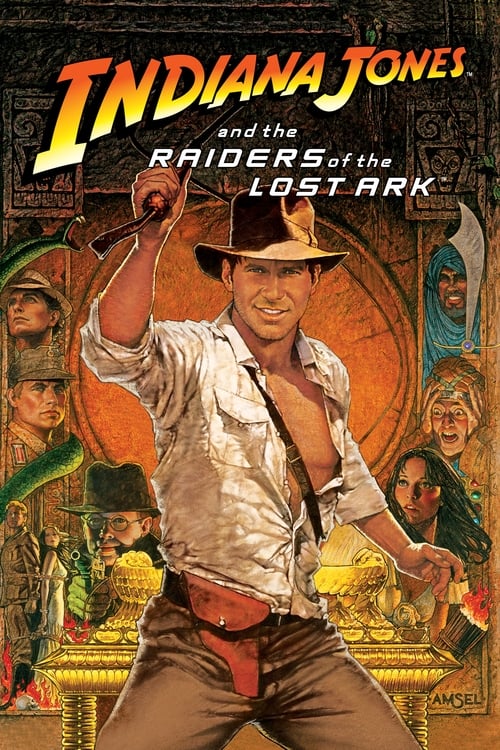
1981
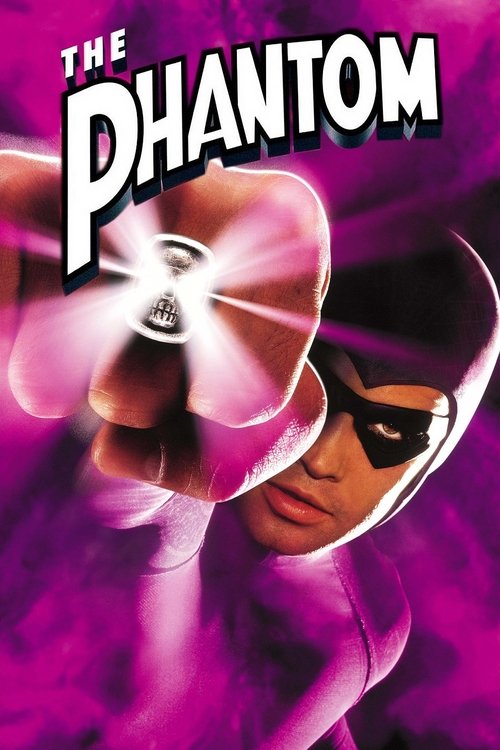
1996
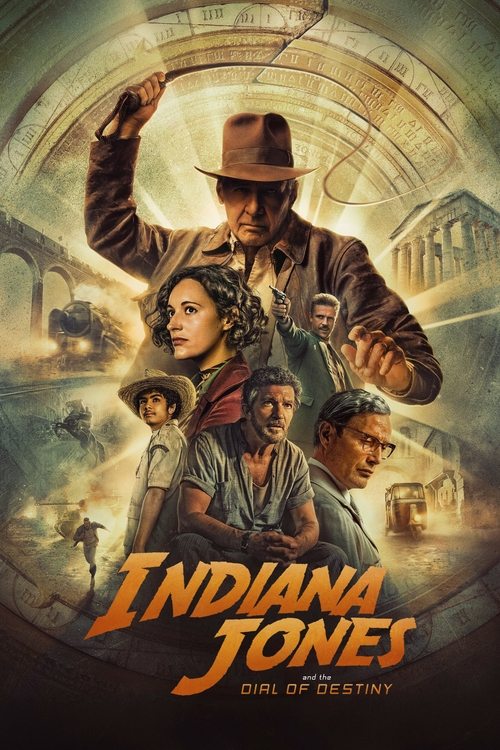
2023
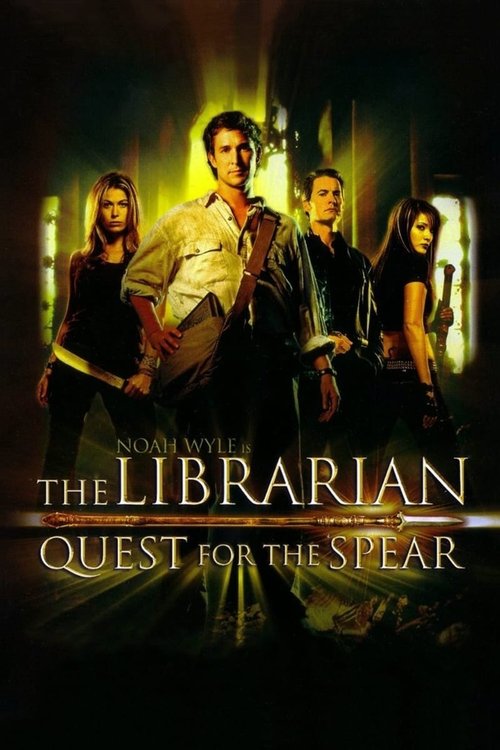
2004
No reviews yet. Be the first to share your thoughts on this movie!
Use the rating form above to leave a star rating and optional review.