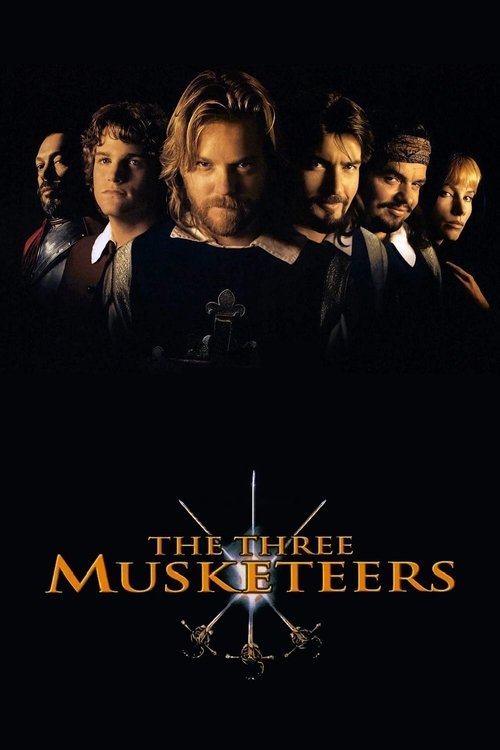
The Three Musketeers
1993
No user ratings available yet
Representation score: 1.8 out of 10
Representation Score
Minimal
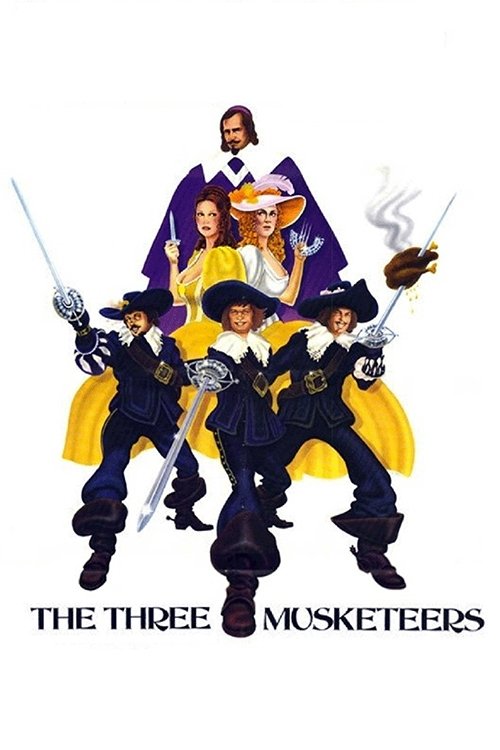
1973
PGDirector
Richard Lester
Runtime
107 minutes
Average Rating
No ratings yetNew Showbiz Analysis
Richard Lester’s adaptation is a stylistic deconstruction of the historical epic, prioritizing irreverence over demographic breadth. It functions as a traditional period adventure that challenges genre expectations through tone rather than inclusive casting. The film's strength lies in its refusal to rely on rigid moral hierarchies. By presenting morally ambiguous figures and challenging the sanctity of state institutions, it offers a more nuanced perspective than a standard adventure. However, the production remains deeply traditional regarding identity. It lacks any meaningful representation of LGBTQ+ individuals, diverse racial groups, or characters with disabilities, remaining anchored in a strictly white, straight-centered European framework.
Category Breakdown
The film follows the straight-centered structures typical of its 17th-century setting. There are no depictions of non-cisgender identities or same-sex relationships.
Male characters dominate the narrative, but Milady de Winter stands out by disrupting submissive feminine stereotypes through her intelligence and danger. Female roles are mostly reactive to male-driven conflicts.
The cast is a homogeneous European ensemble reflecting the historical period. The film focuses on a white, aristocratic landscape without diverse casting or race-bending.
The story explores moral ambiguity by challenging institutional authority and centralized power. Characters like Milady de Winter present complex motivations beyond simple good-versus-evil clichés.
There is no depiction of visible or invisible disabilities. The plot does not engage with neurodivergence or physical impairment as elements of character development.
Present on Screen
Limited or Absent
Official Synopsis
In 17th century France, young D'Artagnan wants to join the King's Musketeers, but instead befriends three legendary musketeers—Athos, Porthos, and Aramis—and together, they become embroiled in the political intrigue surrounding King Louis XIII and his adversaries, particularly the powerful Cardinal Richelieu.
1993
1974
1989
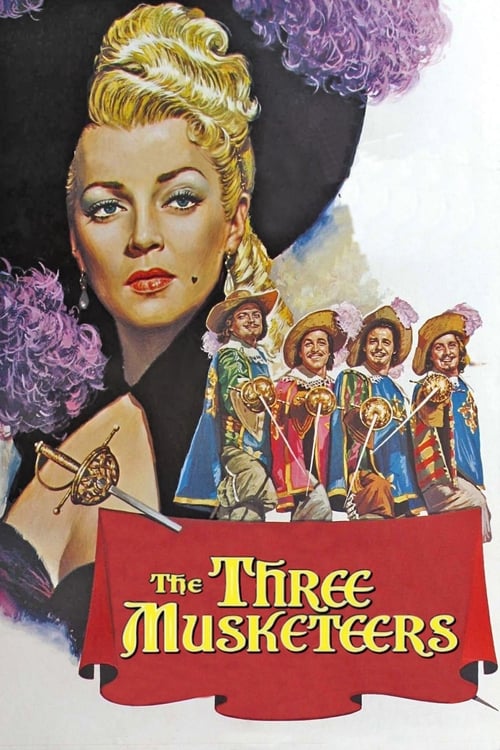
1948
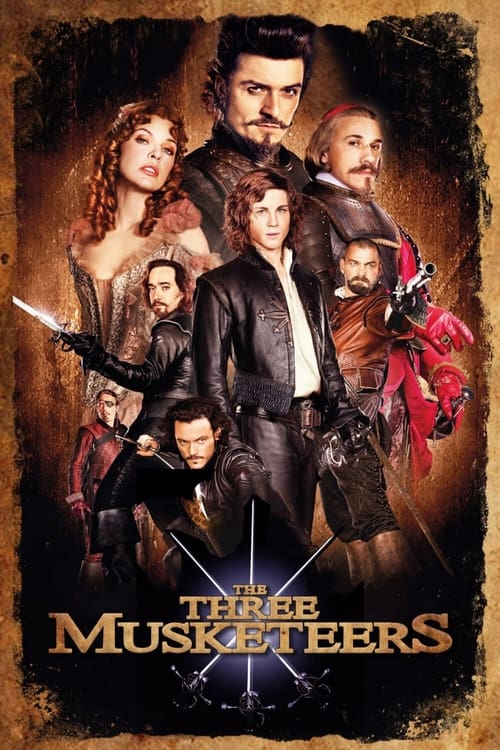
2011
1967
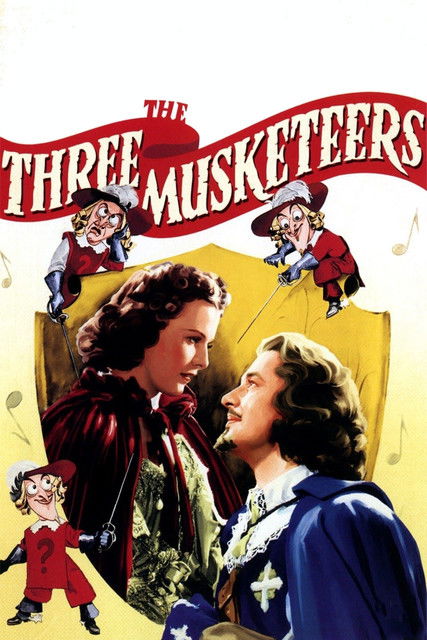
1939
1966
No reviews yet. Be the first to share your thoughts on this movie!
Use the rating form above to leave a star rating and optional review.